


Key Points For Operation Of Closed Circuit Cooling Towers
Mar 23, 2026
Leave a message
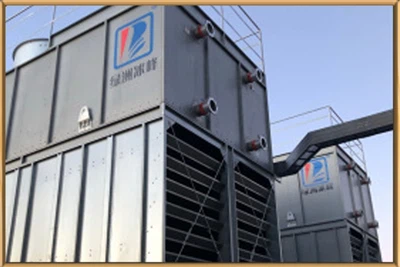 The stable operation and service life of closed circuit cooling towers depend on standardized start-up and shutdown, precise monitoring, water quality control, seasonal protection, and regular maintenance. The key operational details are described below.
1. Comprehensive Inspection Before Startup

Structure and Pipeline Inspection: Check the tower shell and support for deformation or damage. Ensure the fan and motor protective devices are intact. Verify that the inlet/outlet pipelines are securely connected, valves function properly, filters are clean and unobstructed, and pipeline supports are stable to prevent leakage caused by operational vibration.
System Venting and Water Replenishment: Open the air vent valves to completely remove air from the circulating water system and spray system to avoid air resistance that reduces heat exchange efficiency. Check the water level in the sump and adjust it to the standard level via float valve or automatic makeup to prevent pump dry running or overflow.
Electrical and Safety Check: Confirm that motor wiring is secure, grounding is reliable, and insulation resistance meets standards. Ensure instruments and indicator lights on the control panel display correctly and switches operate smoothly. Clear debris around the tower to prevent foreign objects from entering the fan or spray system.
Medium Compatibility Confirmation: Ensure the cooled fluid is compatible with the coil material (e.g., copper tubes are prohibited for ammonia media) to prevent chemical corrosion, leakage, or rupture of the coil.
2. Precise Monitoring and Operation During Running

Strict Startup/Shutdown Sequence: Start the circulating water pump first. After the system is full and vented, start the fan. For shutdown, stop the fan first, then stop the pump after an interval of 10–15 minutes to allow sufficient cooling of the coil and avoid thermal shock damage.
Core Parameter Monitoring: Maintain the inlet/outlet water temperature difference at 5–15 °C. A small difference often indicates fouling or reduced efficiency; a large difference suggests overloading. Monitor circulating water pressure: a sudden drop indicates leakage, while a sudden rise usually means filter blockage. Observe spray uniformity to ensure no nozzle clogging and full coverage of the coil.
Water Quality Management: Regularly test pH (6.5–8.5), hardness, conductivity, and microbial content. Add corrosion inhibitors, scale inhibitors, and bactericides to prevent scaling, corrosion, and algae growth. Clean floating matter in the sump weekly and spray filters monthly to avoid nozzle blockage.
Fan and Drive Inspection: Listen for abnormal noise or vibration. Check belt tension monthly. Monitor motor and bearing temperature (≤ 75 °C) and apply high-temperature grease every six months to ensure proper dynamic balance.
3. Seasonal Protection

Winter Freeze Protection (Critical): Continuous operation is the best antifreeze measure. For long-term shutdown, completely drain water from coils, spray system, and pipelines, and purge residual water with compressed air. Install electric heating tracing and insulation for outdoor pipelines. Use ethylene glycol antifreeze if necessary.
Summer High-Temperature Operation: Increase inspection frequency and focus on motor temperature. Clean air inlet louvers and coil surfaces to improve ventilation and heat exchange. Increase spray flow during peak high temperatures to avoid overheating shutdown.
4. Regular Maintenance and Shutdown Care

Maintenance Schedule: Check water level, quality, and abnormal noise weekly. Clean filters, unclog nozzles, and tighten electrical connections monthly. Rinse coils with low-pressure water quarterly, inspect fan blade balance and gearbox oil level. Perform chemical cleaning annually, check for coil corrosion and leakage, and replace aged seals and bearings.
Long-Term Shutdown Procedure: Drain all water, clean internal debris. Install protective covers for fans and air inlets to prevent dust intrusion. Disconnect power and properly protect the unit. Repeat the full pre-startup inspection before reuse.
5. Safety and Energy-Saving Details

Post safety signs around the unit and implement lockout–tagout procedures during maintenance. Use variable frequency drives to match fan and pump power with thermal load. In low-temperature seasons, the spray system can be turned off for dry-operation mode to reduce energy consumption.
Send Inquiry