


What are the fire - safety considerations for a dry - wet closed cooling tower?
Dec 30, 2025
Leave a message
Hey there! As a supplier of Dry - wet Closed Cooling Towers, I've seen firsthand how crucial fire - safety is. These cooling towers are used in various industrial settings, and ensuring they're fire - safe is not just a good idea; it's a must. So, let's dive into the fire - safety considerations for a dry - wet closed cooling tower.
1. Material Selection
The first thing to think about is the materials used in the construction of the cooling tower. We want to choose fire - resistant materials whenever possible. For instance, the casing and structural components should be made from materials that have a high fire rating. Some plastics and composites can be treated to be more fire - resistant.
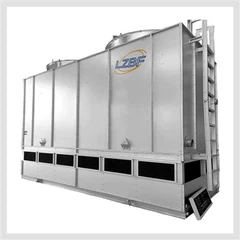
Our Composite Closed Type Cooling Tower is designed with this in mind. The composite materials used are engineered to resist ignition and slow down the spread of fire. This is super important because if a fire does start, we don't want it to spread quickly through the cooling tower structure.
2. Electrical Systems
The electrical systems in a cooling tower are another major fire risk. All electrical components should be properly installed and maintained. This means using electrical wiring that is rated for the environment and making sure all connections are tight and secure.


Overloaded circuits can cause overheating, which is a common cause of electrical fires. We should regularly check the electrical load on the cooling tower's motors, fans, and other electrical equipment. If we notice any signs of overheating, like a burning smell or discolored wiring, we need to take action right away.
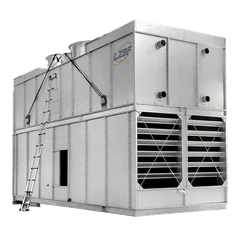
Our Evaporative Cooler Closed Circuit Cooling Towers come with well - designed electrical systems. The wiring is protected, and the electrical components are carefully selected to minimize the fire risk. But even with a good design, regular inspections are still necessary.
3. Combustible Substances
We need to be careful about any combustible substances around the cooling tower. This includes things like oil, grease, and other flammable chemicals. These substances should be stored away from the cooling tower and in a proper storage area that meets fire - safety regulations.
In some industrial settings, there might be a risk of spills or leaks. We should have a spill - response plan in place to quickly clean up any combustible substances that might come into contact with the cooling tower. Also, the area around the cooling tower should be kept clean and free of debris, as dry leaves and paper can easily catch fire.
4. Ventilation
Proper ventilation is key to fire - safety in a cooling tower. Good ventilation helps to remove any flammable vapors that might build up. If there are too many flammable vapors in an enclosed space, it can create an explosive atmosphere.
The cooling tower should be designed with adequate ventilation openings. These openings should be kept clear of any blockages. We also need to make sure that the ventilation system is working properly. If there are fans in the ventilation system, they should be regularly checked to ensure they're operating at the right speed and capacity.
5. Fire Suppression Systems
Installing a fire suppression system is a smart move. There are different types of fire suppression systems available, such as sprinkler systems and foam suppression systems.
Sprinkler systems can be very effective in quickly extinguishing a fire. They work by spraying water over the fire, which cools it down and stops the spread. Foam suppression systems are useful for fires involving combustible liquids. They work by creating a foam layer on top of the liquid, which smothers the fire.
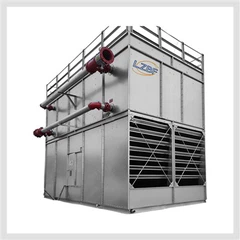
Our Compound Cross Type Closed Cooling Towers can be equipped with fire suppression systems as an option. We can help our customers choose the right system based on their specific needs and the environment in which the cooling tower will be installed.
6. Employee Training
Lastly, but equally important, is employee training. All employees who work around the cooling tower should be trained in fire - safety procedures. They should know how to recognize the signs of a fire, how to use the fire suppression systems, and what to do in case of an emergency.
Regular fire drills should be conducted to ensure that everyone knows what to do in a real - life situation. This training can make a big difference in how quickly and effectively a fire is dealt with.
In conclusion, fire - safety for a dry - wet closed cooling tower involves a combination of good design, proper maintenance, and employee awareness. We, as a supplier, are committed to providing high - quality cooling towers that meet the highest fire - safety standards. If you're in the market for a dry - wet closed cooling tower and want to discuss fire - safety considerations further, don't hesitate to reach out to us for a purchase negotiation. We're here to help you make the right choice for your business.
References
- "Industrial Fire Safety Handbook" by NFPA (National Fire Protection Association)
- "Cooling Tower Operation and Maintenance Guide" from industry standards organizations.
Send Inquiry