


What is the maintenance schedule for an ammonia evaporative condenser?
Dec 30, 2025
Leave a message
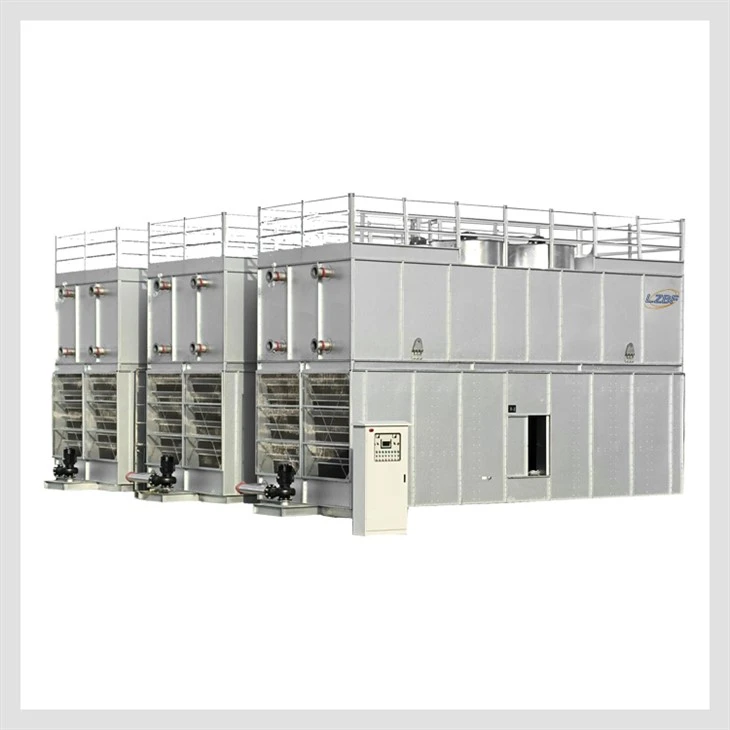
As a leading supplier of Ammonia Evaporative Condensers, I'm often asked about the maintenance schedule for these crucial pieces of equipment. An ammonia evaporative condenser is a key component in many industrial refrigeration and air - conditioning systems. Proper maintenance not only ensures its efficient operation but also extends its service life, saves energy, and reduces the risk of costly breakdowns.
Daily Maintenance
On a daily basis, there are several checks that should be carried out. First, inspect the water level in the sump. The sump is an integral part of the evaporative condenser, as it stores the water used for the cooling process. A low water level can lead to insufficient cooling and potential damage to the condenser tubes. If the water level is low, it may indicate a leak in the system or excessive evaporation, and immediate action should be taken to identify and fix the problem.
Next, examine the fan operation. The fans play a vital role in drawing air through the condenser, which aids in the heat transfer process. Make sure that the fans are running smoothly without any unusual noises or vibrations. Any abnormal sound could be a sign of a loose belt, a worn - out bearing, or other mechanical issues. If such problems are detected, the fans should be shut down immediately and inspected by a qualified technician.
Also, check the water distribution system. The water should be evenly distributed over the condenser tubes to ensure efficient heat transfer. Look for any blockages in the nozzles or pipes that could disrupt the water flow. Clogged nozzles can lead to uneven cooling, reducing the overall performance of the condenser.
Weekly Maintenance
Weekly maintenance tasks are more in - depth. One of the primary weekly checks is the cleanliness of the condenser coils. Over time, dirt, dust, and debris can accumulate on the coils, which acts as an insulator and reduces the heat transfer efficiency. Use a soft - bristle brush or a low - pressure water spray to gently clean the coils. Be careful not to damage the delicate fins on the coils during the cleaning process.
Inspect the water quality in the sump. High levels of minerals, sediment, or bacteria in the water can cause scaling, corrosion, and fouling in the condenser. Test the water for pH, hardness, and other relevant parameters. If the water quality is poor, appropriate water treatment measures should be taken, such as adding scale inhibitors or biocides.
Examine the belts and pulleys. Check for signs of wear, cracks, or stretching in the belts. Ensure that the pulleys are aligned correctly, as misaligned pulleys can cause belts to wear out quickly and lead to inefficient operation. If necessary, replace the belts and adjust the pulley alignment.
Monthly Maintenance
Monthly maintenance involves more comprehensive inspections. Check the refrigerant pressure and temperature. Ammonia refrigerant operates within specific pressure and temperature ranges. Deviations from these ranges can indicate problems such as refrigerant leaks, compressor issues, or blockages in the system. Use appropriate pressure and temperature gauges to monitor these parameters and compare them with the manufacturer's specifications.
Inspect the electrical components. Loose connections, frayed wires, or overheating electrical parts can pose a serious safety hazard and affect the performance of the condenser. Check all electrical terminals, switches, and relays for tightness and signs of damage. Ensure that the electrical panels are clean and free from dust and moisture.
Lubricate the moving parts as recommended by the manufacturer. Components such as fan bearings and motor shafts require proper lubrication to reduce friction and wear. Use the correct type of lubricant and follow the specified lubrication intervals.
Quarterly Maintenance
Every quarter, it is essential to perform a more detailed inspection of the condenser structure. Check for any signs of corrosion or structural damage on the frame, casing, and other metal parts. Ammonia can be corrosive, and any corrosion that goes undetected can weaken the structure of the condenser and lead to leaks or failures. If corrosion is found, it should be treated promptly using appropriate anti - corrosion coatings.
Inspect the water pump. The water pump is responsible for circulating the water in the system. Check the pump for proper operation, including flow rate and pressure. Look for any leaks in the pump casing or connections. If the pump is not functioning correctly, it can affect the water distribution and cooling efficiency of the condenser.
Perform a performance analysis of the condenser. Compare the current operating data, such as cooling capacity, energy consumption, and refrigerant flow rates, with the baseline data from when the condenser was new. Any significant deviations may indicate problems that need to be addressed.
Annual Maintenance
Annual maintenance is the most comprehensive and should be carried out by a qualified technician. The entire condenser system should be disassembled and thoroughly cleaned. This includes removing and cleaning the condenser tubes, water distribution trays, and other internal components. Cleaning the tubes can help to remove any stubborn scale or fouling that has built up over time.

Inspect and test the safety devices. Ammonia is a hazardous substance, and safety devices such as pressure relief valves, temperature sensors, and ammonia detectors are crucial for the safe operation of the condenser. Test these devices to ensure that they are functioning correctly and replace any faulty components.
Calibrate the control systems. The control systems regulate the operation of the condenser, such as the fan speed, water flow, and refrigerant flow. Calibrating these systems ensures that the condenser operates at optimal efficiency and maintains the desired temperature and pressure levels.
In addition to the above maintenance schedule, it is also important to keep detailed records of all maintenance activities. These records can help in identifying trends, predicting future maintenance needs, and ensuring compliance with industry regulations.
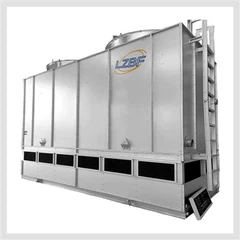
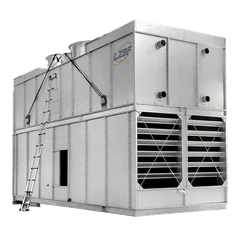
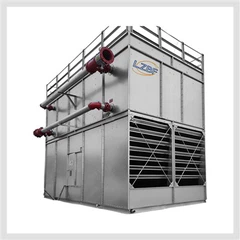
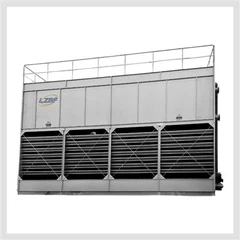
As a supplier of Ammonia Evaporative Condensers, we offer a wide range of products, including Evaporative Surface Condenser, Condensadores Evaporativo, and Evaporative Cooled Condenser. Our products are designed with high - quality materials and advanced technology to provide reliable performance and long - term durability.
If you are in the market for an ammonia evaporative condenser or need more information about maintenance and operation, we are here to help. Our team of experts can provide you with detailed product specifications, installation guidance, and maintenance support. Contact us today to start a discussion about your specific requirements and how our products can meet your needs.
References
- ASHRAE Handbook - Refrigeration. American Society of Heating, Refrigerating and Air - Conditioning Engineers.
- Manufacturer's manuals for ammonia evaporative condensers.
- Industry standards and guidelines for industrial refrigeration systems.
Send Inquiry