


Evaporative Condensers' Logistics Characteristics And Key Transportation Management Points
Jun 09, 2025
Leave a message
Evaporative condensers, as highly efficient heat exchange equipment, are widely used in refrigeration, air conditioning, chemical engineering, and other fields. Their logistics characteristics directly impact transportation efficiency, cost, and equipment safety, making it crucial to thoroughly analyze their logistics characteristics and develop a sound transportation plan.
I. Physical and Structural Characteristics of Evaporative Condensers
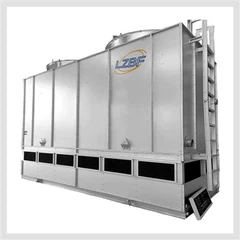
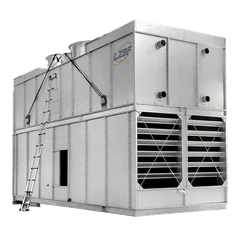
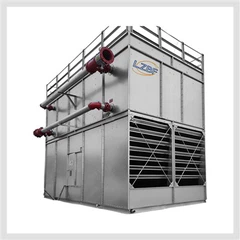
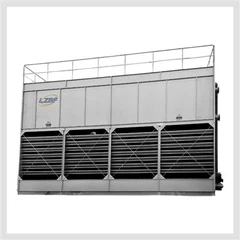
Evaporative condensers typically consist of a heat exchange tube bundle, a fan system, a spray system, a water tank, and a steel frame. While compact, they weigh a considerable amount, ranging from several hundred kilograms to tens of tons depending on the model. Their logistics characteristics are primarily reflected in the following aspects:
Size and Weight: Large evaporative condensers may utilize a modular design, with individual modules reaching several meters in length and weighing over 10 tons. This places high demands on the transport vehicle's load capacity and space.
Material and Corrosion Resistance: Heat exchange tubes are typically made of copper or stainless steel, with a carbon steel casing treated for corrosion. During transportation, collisions that could damage the coating or cause structural deformation must be avoided. Fragile Parts: Precision components such as fan blades and sprinkler nozzles require special protection to prevent damage from vibration and crushing during transportation.
II. Key Challenges in Logistics and Transportation
Transporting evaporative condensers involves land, sea, or rail transportation, which presents the following challenges:
Transportation Restrictions for Oversized and Overweight Units: Some large condensers exceed the height and width limits for road transport, requiring special permits or the use of low-bed trucks or modularized transport.
Moisture and Rust Prevention: Sprinkler systems and electrical components are sensitive to humidity and must be sealed and packaged using moisture-proof materials during transportation to prevent internal rust and electrical shorts in the condenser.
Vibration and Shock Protection: Bumps during transportation can loosen bolts or crack welds, necessitating the use of shock-absorbing brackets, securing straps, and cushioning materials. III. Strategies for Optimizing Logistics Management
To ensure the safe and efficient transportation of evaporative condensers, the following measures must be implemented:
Packaging and Reinforcement: Core components should be individually packaged, and the overall structure should be secured with steel frames and filled with shock-absorbing material. Fragile parts, such as fans, should be disassembled and individually boxed.
Transportation Method Selection: Low-bed trucks are preferred for short-distance transport. For long-distance ocean transport, custom containers or flatbeds should be used, and the center of gravity should be calculated to ensure stability. Rail transport must comply with track load limits.
Information Tracking: GPS and IoT sensors monitor temperature, humidity, and vibration data in real time, providing timely warnings of abnormalities.
Professional Loading and Unloading: When using a crane or forklift, clearly defined lifting points should be used to avoid uneven loads. After unloading, the equipment should be inspected for integrity and any transport damage recorded.
IV. Conclusion
The logistics nature of evaporative condensers necessitates that their transportation considers size, weight, damage prevention, and environmental adaptability. Through scientific packaging design, optimized transportation plans, and rigorous process management, logistics risks can be significantly reduced, ensuring the equipment is delivered in good condition, laying the foundation for downstream installation and operation. In the future, with the development of modular manufacturing and intelligent logistics technology, the transportation efficiency and safety of evaporative condensers will be further improved.
Send Inquiry