


A Complete Analysis Of Efficient Operation Techniques For Closed Cooling Towers
Jun 08, 2025
Leave a message
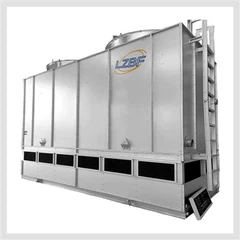
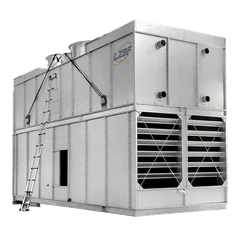
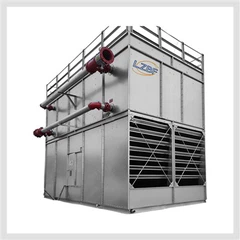
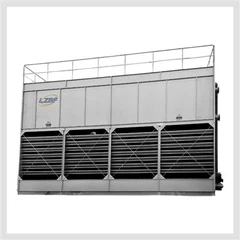
As essential cooling equipment in modern industry and commerce, closed cooling towers are widely used in air conditioning systems, power equipment, chemical production, and other fields due to their closed-circuit, water-saving, environmentally friendly, and easy maintenance advantages. However, many users often face problems such as reduced efficiency, excessive energy consumption, and rising maintenance costs during operation. Mastering the following key techniques can significantly improve the performance and lifespan of closed cooling towers.
1. Water Quality Management: The "Invisible Line of Defense" of Closed Cooling Systems
Although closed cooling towers isolate the circulating water from the outside world through heat exchangers, water quality still directly affects the lifespan of the equipment. Calcium and magnesium ions in hard water easily form scale on the inner walls of heat exchange tubes, reducing heat transfer efficiency by 10% to 30%. Suspended solids or corrosive substances (such as chloride ions) in the water can accelerate pipe wear and even perforate.
Practical Tips:
Regularly test water quality parameters: Focus on conductivity (recommended <500 μS/cm), pH (7.0-8.5 is ideal), hardness (<100 mg/L as CaCO₃), and chloride ion concentration (<50 ppm).
Add corrosion and scale inhibitors: Based on the water quality report, select a combination inhibitor. For example, zinc-containing corrosion inhibitors protect carbon steel pipes, while polyphosphates effectively inhibit calcium carbonate scaling.
Install an automatic dosing system: Sensor-driven dosing eliminates manual errors and maintains stable water quality.
2. Fans and Pumps: The Core of Energy Optimization
The energy consumption of closed-circuit cooling towers is primarily concentrated in the fan (driving air) and the pump (circulating cooling water). These two components account for approximately 60%-70% of the total operating cost.
Fan Adjustment Tips:
Prioritize variable frequency control: Dynamically adjust the fan speed based on ambient temperature and load demand. For example, maintain full speed during high summer temperatures, while reducing the speed by 20%-30% in spring and autumn can significantly save energy.
Regularly clean the blades: Dust accumulation can reduce fan efficiency by 5%-15%. It is recommended to inspect and rinse the blade surface monthly, and use a soft-bristle brush to remove stubborn dirt as needed.
Water Pump Matching Tips:
Avoid "overpowering a small cart": The pump flow rate and head must strictly match the heat exchanger's requirements. Excessive flow increases pipe resistance and wastes energy. Install flow meters and pressure gauges for real-time monitoring and adjust valve openings to the optimal operating point.
Check seals and bearings: Leakage or unusual noises may indicate aging mechanical seals or worn bearings. Prompt replacement can prevent hidden increases in energy consumption.
III. Environmental Adaptation: Adapting Operational Strategies to Local Conditions
The performance of closed cooling towers is directly affected by external conditions (such as temperature, humidity, and dust concentration). Properly adjusting the operating mode is key.
In hot and dry areas: Increase the air volume ratio (the ratio of air flow to water flow) to use air to remove more sensible heat. If necessary, install a sprinkler system to assist with cooling, but be mindful of evaporation losses from the spray water.
In high-humidity, low-temperature environments: Reduce fan speed to prevent overcooling and condensate freezing (particularly important in northern winter). Use electric heaters to protect pipes.
In windy and dusty/industrial dusty areas: Install dust filters (pore size ≤ 5 mm) at the air inlet and clean them weekly. For long-term exposure to corrosive gases (such as those near chemical plants), fiberglass or stainless steel casings are recommended.
IV. Maintenance Cycle: Preventive Maintenance is Better Than Repair
Many users neglect routine maintenance, leading to unexpected failures and increased downtime. Developing a sound maintenance plan can extend equipment life by 3-5 years.
Must-Do List:
Daily: Check the water level for normal operation (no abnormal fluctuations in the float valve), check the fan for unusual noises, and check for leaks in the piping. Monthly: Clean the water collection pan, test water quality, and record key parameters; tighten bolts to prevent vibration and loosening.
Quarterly: Remove the fan pulley to inspect for wear (if belt-driven), and calibrate the motor and fan alignment (deviation <0.1 mm).
Annually: Thoroughly clean the heat exchange tube bundle (using a high-pressure water jet and chemical cleaning agent), inspect the integrity of the anti-corrosion coating, and repaint as necessary.
Conclusion
Efficient operation of a closed cooling tower does not rely on a single technology; it is the result of a comprehensive approach involving water quality management, energy consumption control, environmental adaptation, and maintenance. By systematically applying these techniques, users can not only reduce operating costs but also minimize the risk of sudden failures, ensuring the long-term stability of the equipment in meeting production needs. Remember: regular observation, data recording, and proactive adjustments are the core secrets of closed cooling tower management.
Send Inquiry