


What is the impact of the air inlet and outlet design on an indirect cooler?
Dec 31, 2025
Leave a message
As a supplier of Indirect Coolers, I've seen firsthand how crucial the air inlet and outlet design is to the overall performance of these cooling systems. In this blog, I'll share my insights on the impacts of air inlet and outlet design on an indirect cooler, and why it matters for your cooling needs.
Let's start with the basics. An Indirect Cooler, also known as an Indirect Air Cooler, works by transferring heat from a hot fluid (usually water or a refrigerant) to the ambient air without direct contact between the two. This is achieved through a heat exchanger, where the hot fluid passes through tubes or channels, and the ambient air flows over the outside of these tubes, absorbing the heat.
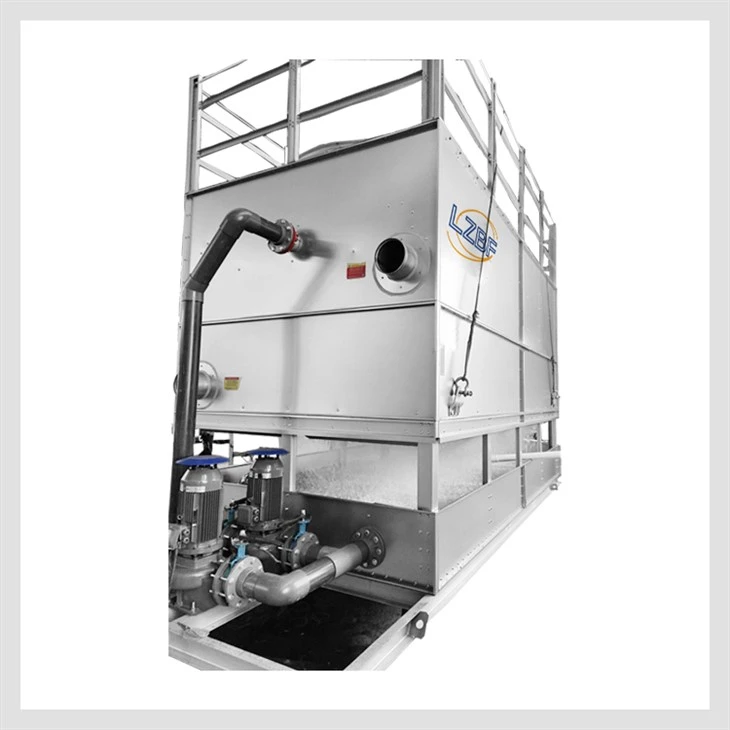
The air inlet and outlet are the points where the ambient air enters and exits the cooler. Their design can have a significant impact on the cooler's efficiency, performance, and even its lifespan.
Impact on Efficiency
The efficiency of an indirect cooler is largely determined by how well it can transfer heat from the hot fluid to the ambient air. A well-designed air inlet and outlet can ensure a smooth and consistent airflow through the cooler, maximizing the heat transfer process.
For example, if the air inlet is too small, it can restrict the amount of air entering the cooler, reducing the cooling capacity. On the other hand, if the air inlet is too large, it can cause uneven airflow distribution, leading to hot spots and reduced efficiency. The same principle applies to the air outlet. A properly sized and shaped outlet can prevent backpressure and ensure that the heated air is expelled efficiently.
In addition, the location of the air inlet and outlet can also affect efficiency. Placing the inlet in a location with clean, cool air can improve the cooler's performance, as the cooler the incoming air, the more heat it can absorb. Similarly, positioning the outlet away from the inlet can prevent the recirculation of heated air, which can reduce the cooling efficiency.

Impact on Performance
The performance of an indirect cooler is not just about how much heat it can transfer, but also about how well it can maintain a stable temperature. A good air inlet and outlet design can help achieve this.
By ensuring a consistent airflow, the cooler can better regulate the temperature of the hot fluid. This is particularly important in applications where precise temperature control is required, such as in data centers or industrial processes.
Moreover, the design of the air inlet and outlet can also affect the cooler's ability to handle different environmental conditions. For instance, in areas with high humidity, a well-designed inlet can prevent the ingress of moisture, which can cause corrosion and reduce the cooler's lifespan. Similarly, in windy conditions, the outlet design can be optimized to minimize the impact of wind on the airflow, ensuring stable performance.
Impact on Lifespan
The lifespan of an indirect cooler is closely related to its operating conditions. A poorly designed air inlet and outlet can subject the cooler to unnecessary stress, leading to premature wear and tear.
For example, if the airflow is uneven, it can cause excessive vibration and noise, which can damage the internal components of the cooler. In addition, the accumulation of dust and debris at the inlet can clog the heat exchanger, reducing its efficiency and increasing the risk of overheating.
On the other hand, a well-designed air inlet and outlet can protect the cooler from these issues. A properly filtered inlet can prevent the entry of contaminants, while a well-ventilated outlet can ensure that the cooler operates at a safe temperature.
Design Considerations
When designing the air inlet and outlet for an indirect cooler, several factors need to be considered. These include the size and shape of the inlet and outlet, the location of the cooler, the environmental conditions, and the specific requirements of the application.
The size of the inlet and outlet should be determined based on the cooling capacity of the cooler and the required airflow rate. The shape of the inlet and outlet can also affect the airflow pattern, so it's important to choose a shape that promotes smooth and consistent airflow.
The location of the cooler is another important factor. It should be placed in an area with good ventilation and away from sources of heat and pollution. The orientation of the cooler can also affect the airflow, so it's important to consider the prevailing wind direction when installing the cooler.
Environmental conditions such as temperature, humidity, and wind speed can also impact the design of the air inlet and outlet. For example, in hot and humid climates, the inlet may need to be equipped with a dehumidifier to prevent the ingress of moisture. In windy areas, the outlet may need to be designed to minimize the impact of wind on the airflow.
Finally, the specific requirements of the application should also be taken into account. For example, in applications where noise is a concern, the inlet and outlet may need to be designed to reduce noise levels.
Conclusion
As you can see, the air inlet and outlet design plays a crucial role in the performance, efficiency, and lifespan of an indirect cooler. By paying attention to these design details, you can ensure that your cooler operates at its best and provides reliable cooling for your needs.
If you're in the market for an Indirect Cooler or want to learn more about how the air inlet and outlet design can impact your cooling system, I encourage you to check out our Direct and Indirect Evaporative Cooling System and Indirect Cooler pages. We're here to help you find the right cooling solution for your specific requirements. Contact us today to start the procurement discussion, and let's work together to improve your cooling efficiency!
References
- Industry standards and guidelines for indirect cooler design
- Technical literature from leading indirect cooler manufacturers
- Case studies on the impact of air inlet and outlet design on cooler performance
Send Inquiry