


What are the requirements for the ventilation space around a compound closed cooling tower?
Jan 01, 2026
Leave a message
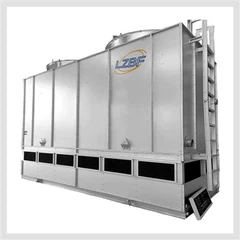
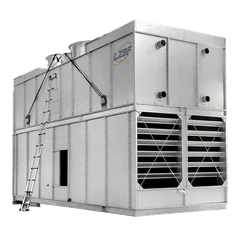
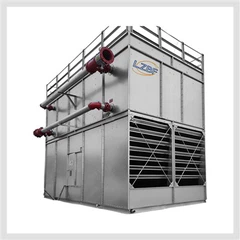
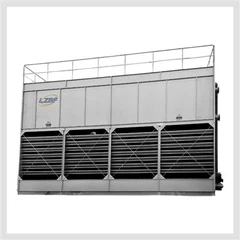
Hey there! As a supplier of Compound Closed Cooling Towers, I've had my fair share of experiences and knowledge about these nifty machines. One of the most frequently asked questions I get is about the requirements for the ventilation space around a compound closed cooling tower. So, let's dive right in and break it down.
First off, why is ventilation space so important? Well, a compound closed cooling tower works by using a combination of air and water to cool down hot fluids. The air plays a crucial role in this process. It helps in removing the heat from the water and the hot fluids inside the tower. Without proper ventilation, the tower won't be able to function efficiently, and it might even lead to some serious problems down the line.
Sufficient Clearance on All Sides
The first requirement is to have sufficient clearance on all sides of the cooling tower. You see, the air needs to be able to flow freely around the tower. If there are obstructions too close to the tower, it can disrupt the airflow. A good rule of thumb is to have at least 3 to 5 feet of clearance on all sides. This allows the air to enter and exit the tower without any hindrance.
For example, if you place the tower too close to a wall or another large structure, the air won't be able to circulate properly. This can cause the air to become stagnant, and the tower won't be able to cool the fluids effectively. It's like trying to breathe in a small, enclosed space – it just doesn't work well.
Adequate Space Above the Tower
Another important aspect is the space above the tower. The hot air that is generated inside the tower needs to be able to rise and escape. If there isn't enough space above the tower, the hot air will get trapped, and it can cause the temperature inside the tower to rise. This can lead to a decrease in the tower's efficiency and can even damage the components over time.
I recommend having at least 10 feet of clearance above the tower. This gives the hot air enough room to rise and disperse. It's like having a chimney on a house – it allows the smoke and hot air to escape, keeping the house cool and comfortable.
Avoiding Recirculation of Air
Recirculation of air is a big no-no when it comes to the ventilation space around a compound closed cooling tower. Recirculation occurs when the hot air that is exhausted from the tower is drawn back into the intake. This can cause the temperature of the incoming air to increase, which reduces the tower's cooling capacity.
To avoid recirculation, make sure that the intake and exhaust of the tower are properly positioned. The intake should be located in an area where it can draw in fresh, cool air, and the exhaust should be directed away from the intake. You can also use baffles or other devices to prevent the hot air from being drawn back into the intake.
Considering the Surrounding Environment
The surrounding environment also plays a role in determining the ventilation space requirements. For instance, if the tower is located in an area with high humidity, the ventilation space needs to be larger. High humidity can reduce the cooling efficiency of the tower, and more air is needed to remove the heat.
Similarly, if the tower is located in an area with strong winds, you need to take that into account. Strong winds can affect the airflow around the tower and can cause the hot air to be blown back into the intake. In such cases, you might need to install windbreaks or adjust the position of the tower to ensure proper ventilation.
Impact on Cooling Performance
Proper ventilation space has a direct impact on the cooling performance of the compound closed cooling tower. When the ventilation is good, the tower can operate at its optimal efficiency. The air can flow freely through the tower, removing the heat from the water and the hot fluids. This results in lower outlet temperatures and better overall cooling performance.
On the other hand, if the ventilation space is inadequate, the tower's performance will suffer. The outlet temperatures will be higher, and the tower might not be able to cool the fluids to the desired level. This can lead to increased energy consumption and higher operating costs.
Maintenance and Longevity
In addition to affecting the cooling performance, proper ventilation space also has an impact on the maintenance and longevity of the cooling tower. When the tower is well-ventilated, the components are less likely to overheat. This reduces the wear and tear on the components and extends their lifespan.
On the contrary, if the ventilation is poor, the components can overheat, which can lead to premature failure. This means more frequent maintenance and replacement of parts, which can be costly and time-consuming.
Choosing the Right Location
When it comes to installing a compound closed cooling tower, choosing the right location is crucial. You need to find a spot that meets all the ventilation space requirements. Look for an area that is open and has plenty of space around it. Avoid areas that are close to buildings, trees, or other structures that can obstruct the airflow.
Also, consider the future expansion of your facility. Make sure that there is enough space for any future modifications or additions to the cooling system. You don't want to be in a situation where you have to relocate the tower because there isn't enough space for it.
Importance of Professional Installation
I can't stress enough the importance of professional installation. A professional installer will have the knowledge and experience to ensure that the tower is installed in the right location and that the ventilation space requirements are met. They will also be able to make any necessary adjustments to the tower to optimize its performance.
Trying to install the tower yourself or hiring an inexperienced installer can lead to all sorts of problems. You might end up with inadequate ventilation, which can affect the tower's performance and longevity. So, invest in a professional installation to ensure that your cooling tower works properly from the start.
Conclusion
In conclusion, the requirements for the ventilation space around a compound closed cooling tower are crucial for its proper operation. Sufficient clearance on all sides, adequate space above the tower, avoiding recirculation of air, considering the surrounding environment, and choosing the right location are all important factors to consider.
Proper ventilation not only improves the cooling performance of the tower but also reduces maintenance costs and extends the lifespan of the components. So, if you're in the market for a Closed Circuit Cooling Tower, Blower Closed Circuit Cooling Tower, or Recold Closed Circuit Cooling Tower, make sure to pay close attention to the ventilation space requirements.


If you have any questions or need more information about our compound closed cooling towers or the ventilation space requirements, don't hesitate to reach out. We're here to help you make the right choice for your cooling needs. Let's start a conversation and see how we can work together to get you the best cooling solution.
References
- Cooling Tower Institute (CTI) standards and guidelines
- Manufacturer's installation and operation manuals for compound closed cooling towers
- Industry research papers on cooling tower ventilation and performance
Send Inquiry