


What is the function of the spray system in a dry - wet cooler?
Sep 24, 2025
Leave a message
Hey there! As a supplier of dry-wet coolers, I've gotten tons of questions about the spray system in these coolers. So, I thought I'd break it down and explain what it does and why it's so important.
Basics of a Dry - Wet Cooler
First off, let's quickly go over what a dry - wet cooler is. It's a type of cooling equipment that combines both dry and wet cooling methods. In dry cooling, air is used to cool the hot fluid (usually water or a coolant) flowing through tubes. In wet cooling, water is sprayed over the tubes, and evaporation helps to enhance the cooling process.
The Spray System: What It Is
The spray system in a dry - wet cooler is a key component. It consists of nozzles, pumps, and a water distribution network. The nozzles are strategically placed to evenly distribute water over the heat exchange surface, which is usually a set of tubes or coils. The pumps are responsible for circulating the water from a reservoir to the nozzles at the right pressure.
Primary Functions of the Spray System
1. Enhanced Heat Transfer
One of the main functions of the spray system is to boost heat transfer. When water is sprayed over the hot tubes, it absorbs heat from the fluid inside the tubes. As the water evaporates, it takes a large amount of heat energy with it. This is known as the latent heat of vaporization. Compared to dry cooling alone, the addition of evaporative cooling through the spray system can significantly increase the cooling capacity of the dry - wet cooler.
For example, on a hot summer day, a dry cooler might struggle to cool the fluid to the desired temperature. But when the spray system kicks in, the evaporative cooling effect helps to lower the temperature more effectively. This is especially important in industrial applications where precise temperature control is crucial.
2. Temperature Control
The spray system also plays a vital role in temperature control. By adjusting the amount of water sprayed and the frequency of spraying, we can regulate the cooling rate. In a control system, sensors monitor the temperature of the fluid being cooled. If the temperature is too high, the system can increase the water flow through the nozzles to enhance cooling. Conversely, if the temperature is within the desired range, the spray can be reduced or even stopped to save water and energy.
This dynamic control is essential for maintaining a stable and consistent temperature in various processes. For instance, in a data center, servers generate a lot of heat. A dry - wet cooler with a well - functioning spray system can ensure that the coolant temperature remains at an optimal level, preventing overheating and potential damage to the servers.
3. Dust and Debris Removal
Another benefit of the spray system is that it helps to keep the heat exchange surface clean. As the water is sprayed over the tubes, it can wash away dust, dirt, and other debris that may accumulate on the surface. This is important because a dirty heat exchange surface can reduce the efficiency of heat transfer. By keeping the tubes clean, the spray system ensures that the dry - wet cooler operates at its peak performance.
In industrial environments where there is a lot of airborne dust and pollutants, this self - cleaning function can significantly extend the lifespan of the cooler and reduce maintenance costs.
Different Types of Dry - Wet Coolers and Their Spray Systems
There are several types of dry - wet coolers, each with its own unique spray system design.
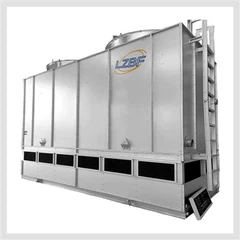
Crossflow Closed Cooling Tower
The Crossflow Closed Cooling Tower has a spray system that distributes water horizontally across the heat exchange surface. In this design, the air flows horizontally through the tower while the water is sprayed vertically. This configuration allows for efficient heat transfer and good water distribution. The spray nozzles are designed to create a fine mist that maximizes the contact area between the water and the tubes, enhancing the evaporative cooling effect.
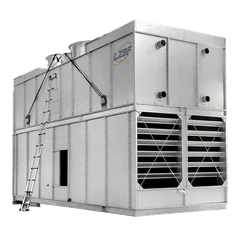
Evaporative Cooler Closed Circuit Cooling Towers
The Evaporative Cooler Closed Circuit Cooling Towers rely heavily on the spray system for their cooling performance. These towers use a closed - loop system to cool the fluid, and the spray system is used to create an evaporative cooling effect around the closed - loop tubes. The water is sprayed over the tubes, and as it evaporates, it cools the fluid inside the tubes. The design of the spray system in these towers is optimized for high - efficiency evaporation, with specialized nozzles that can produce a uniform spray pattern.
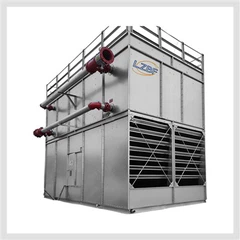
Hybrid Closed Circuit Cooling Tower
The Hybrid Closed Circuit Cooling Tower combines the features of both dry and wet cooling. The spray system in a hybrid tower can be adjusted depending on the ambient conditions and the cooling requirements. In mild weather, the tower can operate in dry mode, with the spray system turned off. But when the temperature rises, the spray system can be activated to provide additional cooling. This flexibility makes the hybrid tower a popular choice in many applications.
Considerations for the Spray System
When it comes to the spray system in a dry - wet cooler, there are a few things to keep in mind.
Water Quality
The quality of the water used in the spray system is crucial. Hard water, which contains high levels of minerals like calcium and magnesium, can cause scale buildup on the nozzles and tubes. This can clog the nozzles and reduce the efficiency of the spray system. To prevent this, water treatment systems can be used to remove impurities and adjust the water chemistry.
Maintenance
Regular maintenance of the spray system is essential. This includes checking the nozzles for blockages, inspecting the pumps for proper operation, and cleaning the water reservoir. By keeping the spray system in good condition, we can ensure that the dry - wet cooler operates efficiently and reliably.
Conclusion
In conclusion, the spray system in a dry - wet cooler is a critical component that performs multiple important functions. It enhances heat transfer, enables precise temperature control, and helps to keep the heat exchange surface clean. Whether you're looking at a crossflow closed cooling tower, an evaporative cooler closed circuit cooling tower, or a hybrid closed circuit cooling tower, the spray system plays a key role in the overall performance of the cooler.
If you're in the market for a dry - wet cooler or need to upgrade your existing system, I'd love to have a chat with you. We can discuss your specific requirements and find the best solution for your needs. Don't hesitate to reach out for more information or to start a procurement discussion.


References
- ASHRAE Handbook - HVAC Systems and Equipment.
- Cooling Tower Institute (CTI) standards and guidelines.
- Technical literature from dry - wet cooler manufacturers.
Send Inquiry