


What is the effect of ambient temperature on closed circuit cooling towers?
Sep 05, 2025
Leave a message
As a supplier of closed circuit cooling towers, I've witnessed firsthand the significant impact that ambient temperature can have on the performance and efficiency of these essential industrial components. In this blog, I'll delve into the various effects of ambient temperature on closed circuit cooling towers, offering insights based on our industry experience and technical knowledge.
Understanding Closed Circuit Cooling Towers
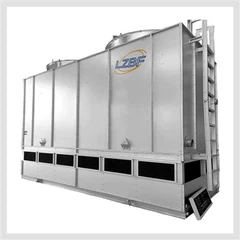
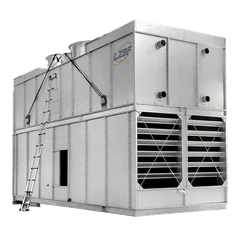
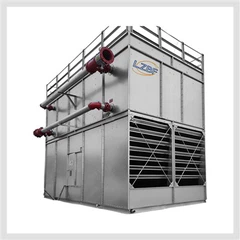
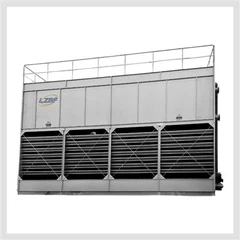
Before we explore the impact of ambient temperature, let's briefly understand what closed circuit cooling towers are. A Closed Circuit Cooling Tower is a heat rejection device that uses water evaporation and air movement to remove heat from a closed-loop system. Unlike open cooling towers, closed circuit cooling towers keep the process fluid separate from the external environment, protecting it from contamination and reducing water loss.
Influence of Ambient Temperature on Cooling Capacity
One of the most direct effects of ambient temperature on closed circuit cooling towers is its impact on cooling capacity. Cooling capacity refers to the amount of heat that a cooling tower can remove from the process fluid within a given time. As the ambient temperature rises, the cooling capacity of the tower decreases.


This is because the cooling process in a closed circuit cooling tower relies on the temperature difference between the hot process fluid and the cooler ambient air. When the ambient temperature is high, this temperature difference is reduced, making it more difficult for the tower to transfer heat effectively. For example, in a 100 Ton Closed Circuit Cooling Tower, a significant increase in ambient temperature can lead to a notable drop in its ability to cool the process fluid to the desired temperature.
Effect on Energy Consumption
Ambient temperature also has a profound effect on the energy consumption of closed circuit cooling towers. To maintain the required cooling performance in high ambient temperatures, the tower's fans and pumps need to work harder. The fans have to move more air through the tower to enhance heat transfer, and the pumps may need to circulate more water to compensate for the reduced cooling efficiency.
This increased workload results in higher energy consumption. In some cases, the energy consumption of a cooling tower can double or even triple during periods of extremely high ambient temperatures. As a supplier, we often advise our customers to consider the long - term energy costs associated with operating cooling towers in different ambient temperature conditions when making their purchasing decisions.
Impact on Water Usage
Water usage in closed circuit cooling towers is another aspect affected by ambient temperature. In normal operating conditions, a certain amount of water is evaporated to facilitate the heat transfer process. When the ambient temperature is high, the rate of evaporation increases.
This means that more water needs to be replenished to maintain the proper water level in the tower. Higher evaporation rates can also lead to increased water treatment requirements, as the concentration of dissolved solids in the remaining water can rise. For Compound Flow Closed Cooling Tower, which use a combination of direct and indirect cooling methods, the impact of high ambient temperature on water usage can be particularly significant.
Corrosion and Scaling Risks
Ambient temperature can also influence the corrosion and scaling risks in closed circuit cooling towers. High ambient temperatures can accelerate chemical reactions within the tower, increasing the likelihood of corrosion. The warmer water can also cause minerals in the water to precipitate out more readily, leading to scaling on the heat exchanger surfaces.
Scaling reduces the heat transfer efficiency of the tower, as it acts as an insulator between the process fluid and the cooling medium. Corrosion, on the other hand, can damage the tower's components, such as the pipes and heat exchangers, leading to costly repairs and replacements. To mitigate these risks, proper water treatment and regular maintenance are essential, especially in areas with high ambient temperatures.
Performance Optimization in Different Ambient Temperatures
As a supplier, we understand the challenges that our customers face in operating closed circuit cooling towers in various ambient temperature conditions. To help them optimize the performance of their cooling towers, we offer several solutions.
For high - temperature environments, we recommend using cooling towers with larger surface areas for heat transfer. This allows for more efficient heat exchange even when the temperature difference between the process fluid and the ambient air is small. We also suggest the use of advanced control systems that can adjust the fan and pump speeds based on the ambient temperature and the process requirements.
In colder ambient temperatures, it's important to prevent the water in the tower from freezing. We provide insulation options and anti - freeze solutions to ensure that the cooling towers can operate safely and efficiently throughout the year.
Conclusion
In conclusion, ambient temperature has a wide - ranging impact on closed circuit cooling towers, affecting their cooling capacity, energy consumption, water usage, and the risk of corrosion and scaling. As a supplier, we are committed to providing our customers with high - quality cooling towers and comprehensive support to help them overcome these challenges.
If you are in the market for a closed circuit cooling tower and want to learn more about how ambient temperature may affect your specific application, or if you have any questions regarding our products, we encourage you to contact us for a detailed discussion. Our team of experts is ready to assist you in making the right choice for your cooling needs.
References
- ASHRAE Handbook - HVAC Systems and Equipment. American Society of Heating, Refrigerating and Air - Conditioning Engineers.
- Cooling Tower Institute Technical Manuals. Cooling Tower Institute.
- Industrial Heat Transfer Handbook. McGraw - Hill Professional.
Send Inquiry