


What factors affect the performance of an indirect cooler?
Dec 17, 2025
Leave a message
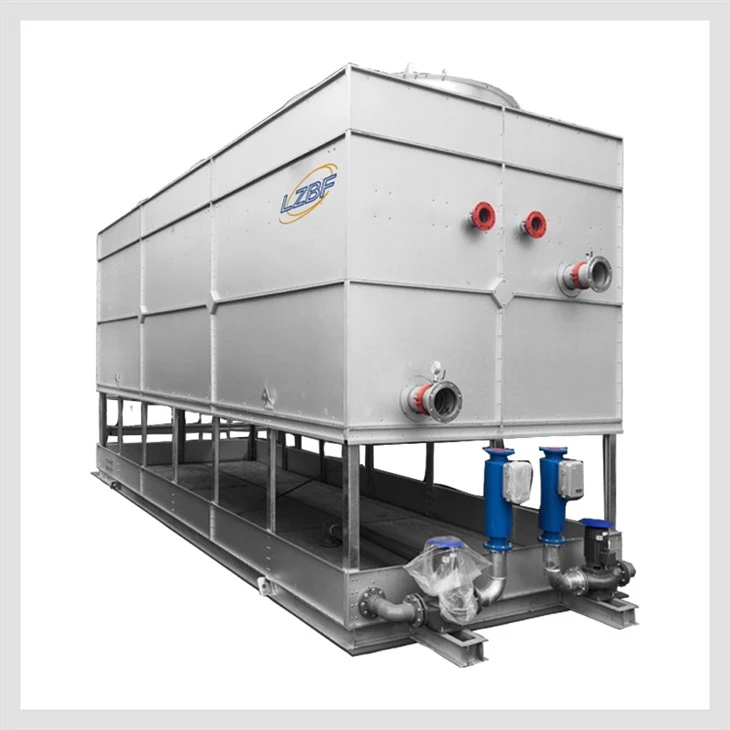
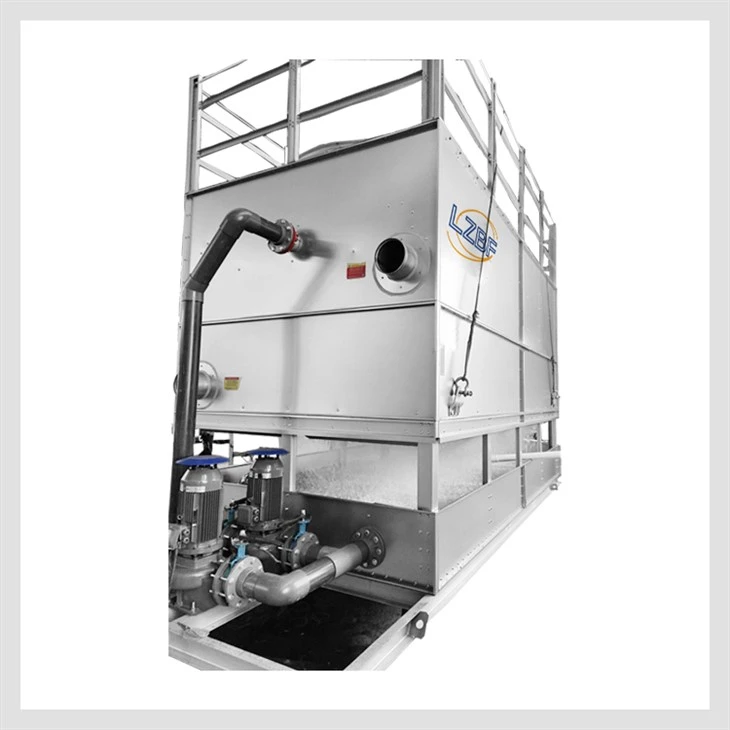
In the realm of industrial and commercial cooling solutions, indirect coolers play a pivotal role in maintaining optimal temperatures for various processes and equipment. As a seasoned supplier of Indirect Cooler, I've witnessed firsthand the diverse factors that can significantly impact the performance of these essential cooling systems. In this blog post, I'll delve into the key elements that influence the efficiency and effectiveness of indirect coolers, providing valuable insights for businesses seeking to maximize their cooling capabilities.
Ambient Conditions
One of the most significant factors affecting the performance of an indirect cooler is the ambient conditions in which it operates. The temperature, humidity, and air quality of the surrounding environment can all have a profound impact on the cooler's ability to transfer heat effectively.
- Temperature: The ambient temperature directly affects the temperature differential between the hot fluid being cooled and the cooling medium. A larger temperature differential generally results in more efficient heat transfer. However, extremely high ambient temperatures can reduce the cooler's effectiveness, as the cooling medium may not be able to absorb as much heat. In such cases, additional cooling measures or alternative cooling technologies may be required.
- Humidity: High humidity levels can impede the evaporation process, which is a crucial component of indirect evaporative cooling. When the air is already saturated with moisture, it becomes more difficult for water to evaporate from the cooling pads or surfaces, reducing the cooling efficiency. In regions with high humidity, indirect coolers may need to be supplemented with dehumidification systems or other moisture control measures to maintain optimal performance.
- Air Quality: The presence of dust, dirt, and other contaminants in the air can clog the cooling pads or heat exchangers of an indirect cooler, reducing the airflow and heat transfer efficiency. Regular maintenance and cleaning of the cooler's components are essential to prevent buildup and ensure optimal performance. Additionally, the use of air filters can help to remove contaminants from the incoming air, protecting the cooler and improving its longevity.
Design and Configuration
The design and configuration of an indirect cooler can also have a significant impact on its performance. Factors such as the type of heat exchanger, the size and layout of the cooling pads, and the airflow pattern can all affect the efficiency and effectiveness of the cooling process.
- Heat Exchanger Type: There are several types of heat exchangers commonly used in indirect coolers, including plate-and-frame, shell-and-tube, and finned-tube heat exchangers. Each type has its own advantages and disadvantages, and the choice of heat exchanger will depend on factors such as the application, the required cooling capacity, and the available space. Plate-and-frame heat exchangers, for example, offer high heat transfer efficiency and compact design, making them suitable for applications with limited space. Shell-and-tube heat exchangers, on the other hand, are more robust and can handle higher pressures and temperatures, making them ideal for industrial applications.
- Cooling Pad Size and Layout: The size and layout of the cooling pads can also affect the performance of an indirect cooler. Larger cooling pads generally provide more surface area for evaporation, resulting in higher cooling efficiency. However, the size of the cooling pads must be balanced with the airflow rate and the available space. Additionally, the layout of the cooling pads can impact the airflow pattern and the distribution of the cooling medium, which can affect the overall cooling performance.
- Airflow Pattern: The airflow pattern within an indirect cooler is critical for ensuring efficient heat transfer. A well-designed airflow pattern can help to maximize the contact between the hot fluid and the cooling medium, while minimizing the resistance to airflow. Factors such as the location and size of the air intake and exhaust ports, the use of fans or blowers, and the presence of baffles or other airflow control devices can all affect the airflow pattern and the performance of the cooler.
Water Quality and Treatment
Water quality is another important factor that can affect the performance of an indirect cooler. The presence of impurities, such as minerals, chemicals, and microorganisms, in the water can cause scaling, corrosion, and biological growth on the cooling pads and heat exchangers, reducing the heat transfer efficiency and increasing the risk of equipment failure.
- Scaling: Scaling occurs when minerals, such as calcium and magnesium, precipitate out of the water and form a hard, crusty deposit on the cooling surfaces. Scaling can reduce the heat transfer efficiency of the cooler by insulating the hot fluid from the cooling medium, increasing the energy consumption and reducing the lifespan of the equipment. To prevent scaling, it is important to use water with low mineral content and to implement a water treatment program that includes the use of scale inhibitors and other chemicals.
- Corrosion: Corrosion can occur when the water contains dissolved oxygen, acids, or other corrosive substances. Corrosion can damage the cooling pads, heat exchangers, and other components of the cooler, reducing the heat transfer efficiency and increasing the risk of leaks and equipment failure. To prevent corrosion, it is important to use water with a neutral pH and to implement a water treatment program that includes the use of corrosion inhibitors and other chemicals.
- Biological Growth: Biological growth, such as algae, bacteria, and fungi, can occur in the water if it is not properly treated or maintained. Biological growth can clog the cooling pads and heat exchangers, reducing the airflow and heat transfer efficiency, and can also pose a health risk to employees and occupants. To prevent biological growth, it is important to use water with low organic content and to implement a water treatment program that includes the use of biocides and other disinfectants.
Maintenance and Operation
Proper maintenance and operation are essential for ensuring the optimal performance of an indirect cooler. Regular maintenance tasks, such as cleaning the cooling pads, inspecting the heat exchangers, and checking the water quality, can help to prevent problems and ensure that the cooler is operating at peak efficiency.
- Cleaning: Regular cleaning of the cooling pads and heat exchangers is essential to prevent buildup of dirt, dust, and other contaminants. Depending on the operating conditions, the cooling pads may need to be cleaned weekly or monthly, while the heat exchangers may need to be cleaned annually or as recommended by the manufacturer. Cleaning can be done using a variety of methods, including pressure washing, chemical cleaning, and manual scrubbing.
- Inspection: Regular inspection of the cooler's components is essential to detect any signs of wear, damage, or malfunction. Inspections should include checking the integrity of the heat exchangers, the condition of the cooling pads, the operation of the fans and pumps, and the water quality. Any issues or problems should be addressed promptly to prevent further damage and ensure the continued operation of the cooler.
- Water Quality Management: Proper water quality management is essential for preventing scaling, corrosion, and biological growth in the cooler. This includes monitoring the water quality regularly, adjusting the water treatment program as needed, and ensuring that the water is properly filtered and treated before entering the cooler. Additionally, the water level in the cooler should be maintained at the appropriate level to ensure proper operation of the cooling system.
System Integration and Compatibility
The performance of an indirect cooler can also be affected by its integration with other components of the cooling system and the overall compatibility with the application requirements. Factors such as the type of fluid being cooled, the flow rate and temperature of the fluid, and the operating conditions of the system can all impact the performance of the cooler.
- Fluid Compatibility: The type of fluid being cooled can have a significant impact on the performance of an indirect cooler. Different fluids have different thermal properties, such as specific heat capacity and viscosity, which can affect the heat transfer efficiency and the design requirements of the cooler. Additionally, some fluids may be corrosive or reactive with certain materials, requiring the use of specialized heat exchangers or other components.
- Flow Rate and Temperature: The flow rate and temperature of the fluid being cooled can also affect the performance of an indirect cooler. Higher flow rates generally result in more efficient heat transfer, but they may also require larger heat exchangers or more powerful pumps. Similarly, higher fluid temperatures can increase the cooling load and require a larger or more efficient cooler. It is important to ensure that the cooler is properly sized and configured to handle the specific flow rate and temperature requirements of the application.
- System Operating Conditions: The operating conditions of the cooling system, such as the pressure, temperature, and humidity, can also impact the performance of an indirect cooler. For example, high pressure or temperature conditions may require the use of specialized materials or designs to ensure the safety and reliability of the cooler. Additionally, the operating conditions may affect the lifespan of the cooler's components, requiring more frequent maintenance or replacement.
In conclusion, the performance of an indirect cooler is influenced by a variety of factors, including ambient conditions, design and configuration, water quality and treatment, maintenance and operation, and system integration and compatibility. By understanding these factors and taking steps to optimize them, businesses can ensure that their indirect coolers are operating at peak efficiency, providing reliable and cost-effective cooling solutions for their processes and equipment.
If you're interested in learning more about our Indirect Evaporative Cooling Unit or Closed Loop Cooling System, or if you have any questions about the factors affecting the performance of an indirect cooler, please don't hesitate to contact us. Our team of experts is available to provide you with personalized advice and solutions to meet your specific cooling needs.
References
- ASHRAE Handbook - HVAC Systems and Equipment. American Society of Heating, Refrigerating and Air-Conditioning Engineers, Inc.
- Cooling Tower Institute. Cooling Tower Handbook. Cooling Tower Institute.
- Heat Exchange Institute. Standards for Shell-and-Tube Heat Exchangers. Heat Exchange Institute.
Send Inquiry