


What factors affect the cost of a closed loop cooling system?
Sep 04, 2025
Leave a message
When it comes to industrial operations, maintaining optimal temperatures is crucial for the efficiency and longevity of equipment. Closed loop cooling systems play a pivotal role in achieving this goal by providing a reliable and efficient way to dissipate heat. As a supplier of Closed Loop Cooling Systems, I often encounter customers who are curious about the factors that affect the cost of these systems. In this blog post, I will delve into the key elements that contribute to the overall cost of a closed loop cooling system.
System Size and Capacity
One of the most significant factors influencing the cost of a closed loop cooling system is its size and capacity. The larger the system and the higher its cooling capacity, the more materials, components, and labor are required for its construction and installation. A system designed to cool a small industrial machine will naturally cost less than one intended for a large manufacturing plant.
When determining the appropriate size and capacity for a closed loop cooling system, it is essential to consider the heat load of the equipment or process it will be cooling. This involves calculating the amount of heat generated by the machinery and ensuring that the cooling system can remove this heat effectively. Overestimating or underestimating the heat load can lead to inefficient operation and increased costs in the long run.
Type of Cooling Technology
Closed loop cooling systems can utilize various cooling technologies, each with its own cost implications. Some common types of cooling technologies include air-cooled, water-cooled, and evaporative cooling systems.
- Air-Cooled Systems: These systems use air to dissipate heat from the coolant. They are relatively simple in design and require less maintenance compared to other types of cooling systems. However, they are generally less efficient and may require more energy to operate, especially in hot climates. As a result, the initial cost of an air-cooled system may be lower, but the long-term operating costs can be higher.
- Water-Cooled Systems: Water-cooled systems use water as the cooling medium. They are more efficient than air-cooled systems and can handle higher heat loads. However, they require a constant supply of water and may need additional equipment, such as cooling towers or chillers, to maintain the water temperature. The initial cost of a water-cooled system is typically higher than that of an air-cooled system, but the operating costs can be lower in the long term.
- Evaporative Cooling Systems: Evaporative cooling systems use the principle of evaporation to remove heat from the coolant. They are highly efficient and can provide significant energy savings compared to other types of cooling systems. However, they require a constant supply of water and may be affected by humidity levels. The cost of an evaporative cooling system can vary depending on the specific design and features, but they are generally more cost-effective in the long run.
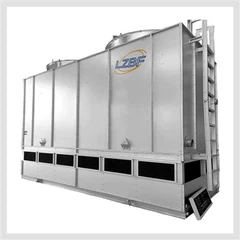
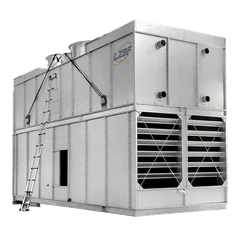
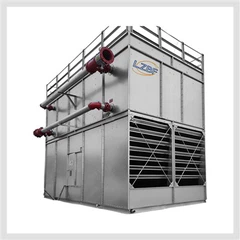
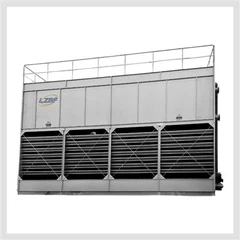
For example, our Indirect Cooling Unit and Indirect Cooler are based on advanced evaporative cooling technologies, which offer high efficiency and energy savings. Our Closed Circuit Evaporative Cooling Tower is another excellent option for large-scale industrial applications, providing reliable and cost-effective cooling solutions.
Material Quality and Construction
The quality of materials used in the construction of a closed loop cooling system can have a significant impact on its cost. High-quality materials are generally more durable and resistant to corrosion, which can extend the lifespan of the system and reduce maintenance costs. However, they also tend to be more expensive.
In addition to the material quality, the construction of the cooling system can also affect its cost. A well-designed and properly constructed system will be more efficient and reliable, but it may require more labor and expertise to build. This can result in a higher initial cost but can lead to long-term savings in terms of energy consumption and maintenance.


Location and Environmental Factors
The location where the closed loop cooling system will be installed can also influence its cost. Factors such as the climate, altitude, and availability of water can all affect the performance and cost of the system.
- Climate: In hot and humid climates, evaporative cooling systems may be more effective and cost-efficient. However, in cold climates, additional insulation and heating may be required to prevent the coolant from freezing. This can increase the initial cost of the system and its operating costs.
- Altitude: At higher altitudes, the air density is lower, which can affect the performance of air-cooled systems. Water-cooled systems may be a better option in these locations, but they may require additional equipment to compensate for the lower air pressure.
- Water Availability: Water-cooled and evaporative cooling systems require a constant supply of water. If water is scarce or expensive in the area, the cost of operating these systems can be significantly higher. In some cases, it may be necessary to implement water conservation measures or use alternative water sources to reduce the water consumption and cost.
Maintenance and Operating Costs
In addition to the initial purchase and installation costs, it is important to consider the long-term maintenance and operating costs of a closed loop cooling system. Regular maintenance is essential to ensure the system operates efficiently and reliably. This includes tasks such as cleaning the heat exchangers, checking the coolant levels, and inspecting the pumps and fans.
The operating costs of a closed loop cooling system can include energy consumption, water usage, and the cost of replacement parts. Energy-efficient systems can help reduce the energy consumption and operating costs, but they may have a higher initial cost. Water conservation measures can also help reduce the water usage and cost, especially in areas where water is scarce or expensive.
Customization and Additional Features
Many customers may require a closed loop cooling system that is customized to meet their specific needs and requirements. Customization can include features such as special materials, unique designs, or additional components. While customization can enhance the performance and functionality of the system, it can also increase the cost.
In addition to customization, some customers may also request additional features or options for their cooling system. These can include features such as remote monitoring, automatic controls, and advanced filtration systems. While these features can provide added convenience and functionality, they can also add to the overall cost of the system.
Conclusion
As a supplier of Closed Loop Cooling Systems, I understand that cost is an important consideration for our customers. By understanding the factors that affect the cost of a closed loop cooling system, customers can make informed decisions and choose the system that best meets their needs and budget.
When evaluating the cost of a closed loop cooling system, it is important to consider not only the initial purchase and installation costs but also the long-term maintenance and operating costs. A high-quality, energy-efficient system may have a higher initial cost but can provide significant savings in the long run.
If you are interested in learning more about our Closed Loop Cooling Systems or would like to discuss your specific requirements, please feel free to contact us. Our team of experts is ready to assist you in selecting the right cooling system for your application and providing you with a competitive quote.
References
- ASHRAE Handbook - HVAC Systems and Equipment. American Society of Heating, Refrigerating and Air-Conditioning Engineers (ASHRAE).
- Cooling Tower Institute. Technical Information and Guidelines for Cooling Tower Design, Operation, and Maintenance.
- Industrial Refrigeration Handbook. Wiley.
Send Inquiry