

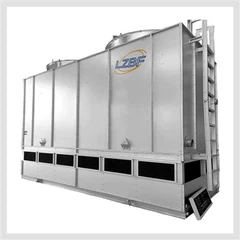
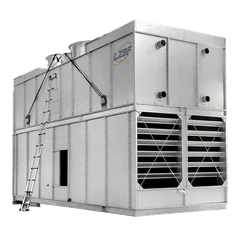
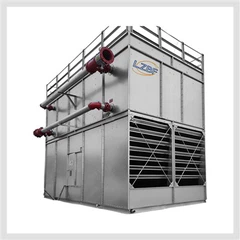
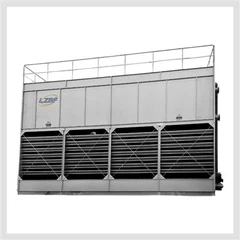

What are the specific needs of using an Indirect Evaporative Cooler in gyms?
Sep 25, 2025
Leave a message
What are the specific needs of using an Indirect Evaporative Cooler in gyms?
Gyms are high - energy environments where a large number of people engage in intense physical activities. This leads to a significant amount of heat and moisture being generated within the facility. Maintaining a comfortable and healthy indoor environment is crucial for the well - being of gym members and the overall success of the gym business. An Indirect Evaporative Cooler can be an excellent solution to meet the specific needs of gyms, and in this blog, we will explore these needs in detail.


Temperature Regulation
One of the primary needs in a gym is to keep the temperature at a comfortable level. During workouts, the human body generates a substantial amount of heat. If the indoor temperature is too high, it can lead to discomfort, fatigue, and even heat - related illnesses among gym - goers. An Indirect Evaporative Cooler can effectively lower the temperature in the gym without introducing excessive humidity.
Unlike traditional air - conditioning systems that rely on refrigerants, indirect evaporative coolers use the natural process of evaporation to cool the air. The cooler takes in warm outdoor air, passes it through a heat exchanger, and then releases cooled air into the gym. This process can reduce the temperature by several degrees, creating a more pleasant workout environment. For example, in a hot summer day, when the outdoor temperature is around 35°C (95°F), an indirect evaporative cooler can bring the indoor temperature down to a more comfortable 25 - 27°C (77 - 81°F).
Humidity Control
In addition to temperature, humidity control is also vital in gyms. When people exercise, they sweat, which increases the humidity level in the air. High humidity can make the air feel sticky and uncomfortable, and it can also promote the growth of mold and bacteria. An indirect evaporative cooler helps to maintain an optimal humidity level.
The heat exchanger in an indirect evaporative cooler separates the air being cooled from the water used for evaporation. This means that the cooled air entering the gym does not carry additional moisture, unlike direct evaporative coolers. As a result, the humidity in the gym can be kept at a healthy level, typically between 40 - 60%. A balanced humidity level not only enhances comfort but also helps to prevent the development of unpleasant odors and the spread of germs.
Air Quality Improvement
Gyms are often crowded places, and the air can quickly become stale and filled with pollutants. Poor air quality can cause respiratory problems and reduce the overall enjoyment of the workout. An indirect evaporative cooler can improve air quality in several ways.
Firstly, it continuously brings in fresh outdoor air, diluting the concentration of indoor pollutants such as carbon dioxide, body odors, and volatile organic compounds (VOCs). Secondly, the cooler can be equipped with air filters to remove dust, pollen, and other particulate matter from the incoming air. This ensures that the air circulating in the gym is clean and healthy. For instance, a high - efficiency particulate air (HEPA) filter can capture up to 99.97% of particles as small as 0.3 microns, providing a significant improvement in air quality.
Energy Efficiency
Energy consumption is a major concern for gym owners. Traditional air - conditioning systems can be very energy - intensive, leading to high electricity bills. Indirect evaporative coolers, on the other hand, are much more energy - efficient.
These coolers use less electricity compared to refrigerated air - conditioning units because they do not require a compressor to operate. The main energy consumption comes from the fans and pumps used to move the air and water. As a result, gym owners can save a substantial amount of money on energy costs. For example, studies have shown that an indirect evaporative cooler can consume up to 50 - 70% less energy than a traditional air - conditioning system of the same cooling capacity.
Cost - Effectiveness
In addition to energy savings, indirect evaporative coolers are also cost - effective in terms of installation and maintenance. The initial installation cost of an indirect evaporative cooler is generally lower than that of a large - scale refrigerated air - conditioning system. Moreover, the maintenance requirements are relatively simple.
The main components of an indirect evaporative cooler, such as the heat exchanger and the water pump, are durable and require minimal maintenance. Regular cleaning of the filters and the water system is usually sufficient to keep the cooler running smoothly. This reduces the long - term maintenance costs for gym owners.
Ventilation
Proper ventilation is essential in gyms to ensure the health and safety of the members. An indirect evaporative cooler provides a continuous supply of fresh air, which helps to remove stale air and replace it with oxygen - rich air.
The cooler can be designed to work in conjunction with the existing ventilation system in the gym. It can be used to supplement the ventilation during peak hours when the gym is crowded, or it can be the primary source of ventilation in smaller gyms. By ensuring adequate ventilation, the risk of airborne diseases and the buildup of harmful gases is reduced.
Compatibility with Gym Equipment
Gyms are filled with various types of equipment, such as treadmills, weightlifting machines, and exercise bikes. These machines generate heat during operation, which can further contribute to the overall heat load in the gym. An indirect evaporative cooler can be easily integrated with the gym's layout and equipment.
The cooler can be installed on the roof or on the side of the building, and ductwork can be used to distribute the cooled air evenly throughout the gym. This allows the cooler to effectively cool the areas around the equipment, ensuring that the machines operate at an optimal temperature. For example, in a large gym with multiple zones, the indirect evaporative cooler can be configured to provide more cooling to areas with high - intensity equipment, such as the weightlifting area.
Noise Reduction
Noise can be a distraction in a gym. Traditional air - conditioning systems, especially those with large compressors, can produce a significant amount of noise. Indirect evaporative coolers, however, are relatively quiet.
The fans and pumps in an indirect evaporative cooler are designed to operate quietly, so they do not interfere with the gym members' workouts or conversations. This is particularly important in gyms that offer group fitness classes or have areas where people need to focus, such as the yoga studio.
Long - Term Sustainability
As the world becomes more environmentally conscious, gym owners are also looking for sustainable solutions. Indirect evaporative coolers are a more sustainable option compared to traditional air - conditioning systems.
They do not use harmful refrigerants that contribute to ozone depletion and global warming. Instead, they rely on water and the natural process of evaporation to cool the air. This makes them a more eco - friendly choice for gyms that want to reduce their carbon footprint.
In conclusion, the specific needs of using an indirect evaporative cooler in gyms are numerous. From temperature and humidity control to energy efficiency and air quality improvement, these coolers offer a comprehensive solution for creating a comfortable and healthy workout environment. If you are a gym owner looking for an effective and sustainable cooling solution, we invite you to contact us for more information about our Indirect Evaporative Cooler. Our team of experts can provide you with a customized solution based on the size and specific requirements of your gym. We also offer a range of related products such as Evaporative Cooled Condenser and Recold Evaporative Condenser to meet your diverse needs. Let's work together to create a better gym experience for your members.
References
- ASHRAE Handbook of Fundamentals. American Society of Heating, Refrigerating and Air - Conditioning Engineers.
- "Energy Efficiency of Evaporative Cooling Systems" by Smith, J. et al. Journal of Sustainable Energy.
- "Indoor Air Quality in Gyms: A Review" by Brown, A. and Green, B. International Journal of Environmental Health Research.
Send Inquiry