


What are the industry - specific features of closed loop cooling systems?
Sep 25, 2025
Leave a message
Hey there! As a supplier of Closed Loop Cooling Systems, I've had the chance to dive deep into the ins and outs of these systems. In this blog, I'll share some industry - specific features of closed loop cooling systems that you might find interesting.
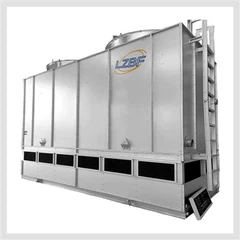
First off, let's understand what a closed loop cooling system is. A Closed Loop Water Cooling System [1] is a setup where coolant circulates in a closed circuit. This means the coolant is continuously reused, which is a huge plus in terms of efficiency and cost - savings. Unlike an open system where the coolant might evaporate or get contaminated easily, a closed loop system keeps the coolant clean and in circulation.
One of the key industry - specific features is the high level of precision cooling it offers. In industries like data centers, where even a small temperature fluctuation can lead to equipment failure, closed loop cooling systems are a lifesaver. These systems can maintain a very stable temperature, ensuring that servers and other sensitive equipment operate within their optimal temperature range. For example, a data center running a large number of servers generates a significant amount of heat. A well - designed closed loop cooling system can quickly and effectively remove this heat, preventing overheating and potential downtime.
Another important feature is the reduced water consumption. In many industrial processes, water is a precious resource, and minimizing its use is crucial. Closed loop cooling systems recycle the coolant, so they use far less water compared to open cooling systems. This makes them an environmentally friendly option and also helps industries comply with water - usage regulations. For instance, in the manufacturing industry, where large amounts of water are typically used for cooling purposes, switching to a closed loop system can lead to substantial water savings over time.
Closed loop cooling systems also offer better protection against corrosion and scaling. Since the coolant is contained within a closed circuit, it is less likely to come into contact with contaminants that can cause corrosion or scaling. This extends the lifespan of the cooling system components, such as pipes, pumps, and heat exchangers. In industries like chemical processing, where corrosive substances are often present, the ability of a closed loop system to resist corrosion is a major advantage. It reduces maintenance costs and ensures the long - term reliability of the cooling system.
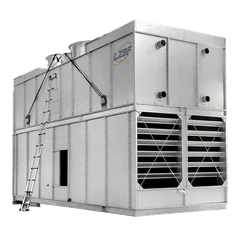
Now, let's talk about the different types of equipment used in closed loop cooling systems. An Indirect Air Cooler [2] is one such important component. It uses air to cool the coolant indirectly. This is useful in situations where water is scarce or where direct water cooling is not feasible. For example, in a desert - located industrial plant, an indirect air cooler can be an effective way to cool the closed loop system without relying on large amounts of water.
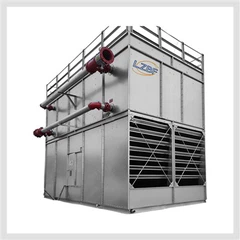
An Indirect Cooling Unit [3] is another crucial part of the system. It works by transferring heat from the coolant to a secondary fluid, which is then cooled by air or water. This type of unit provides a high level of flexibility in terms of cooling capacity and can be customized to meet the specific needs of different industries. For example, in the food and beverage industry, where strict temperature control is required for product quality, an indirect cooling unit can be adjusted to maintain the right temperature for various production processes.
In addition to these technical features, closed loop cooling systems are also known for their ease of installation and maintenance. They are often modular in design, which means they can be easily assembled and disassembled. This is beneficial for industries that need to expand or modify their cooling systems as their operations grow. Moreover, the closed loop design makes it easier to monitor and control the system, reducing the need for frequent maintenance checks.
When it comes to energy efficiency, closed loop cooling systems have a lot to offer. They can be equipped with advanced control systems that optimize the operation of the pumps and fans, reducing energy consumption. In industries where energy costs are a significant part of the operating budget, such as the metalworking industry, the energy - saving potential of closed loop cooling systems can lead to significant cost savings.
In the pharmaceutical industry, closed loop cooling systems play a vital role in maintaining the quality and integrity of drugs. Many pharmaceutical processes require precise temperature control to ensure the effectiveness of the drugs. A closed loop cooling system can provide the stable temperature environment needed for these processes, from drug manufacturing to storage.


In the power generation industry, closed loop cooling systems are used to cool the condensers in power plants. This helps improve the efficiency of the power generation process by ensuring that the steam is condensed back into water at the right temperature. By using a closed loop system, power plants can reduce their water consumption and environmental impact while maintaining high - level performance.
To sum it up, the industry - specific features of closed loop cooling systems make them a valuable asset in a wide range of industries. Their precision cooling, reduced water consumption, corrosion resistance, and energy efficiency make them an ideal choice for many industrial applications.
If you're interested in learning more about how a closed loop cooling system can benefit your industry or if you're thinking about purchasing a system for your business, I'd love to have a chat with you. Feel free to reach out to start a discussion about your specific needs and how we can provide the right solution for you.
References:
[1] Closed Loop Water Cooling System. /closed - circuit - evaporative - cooler/closed - loop - water - cooling - system.html
[2] Indirect Air Cooler. /closed - circuit - evaporative - cooler/indirect - air - cooler.html
[3] Indirect Cooling Unit. /closed - circuit - evaporative - cooler/indirect - cooling - unit.html
Send Inquiry