


What are the safety precautions when operating an evaporative type condenser?
Sep 12, 2025
Leave a message
As a trusted supplier of evaporative type condensers, I understand the paramount importance of safety when operating these critical pieces of equipment. Evaporative type condensers play a vital role in various industrial and commercial cooling systems, but without proper safety precautions, they can pose significant risks to both personnel and the environment. In this blog post, I will share some essential safety measures that should be followed when operating an evaporative type condenser.
Pre - operation Safety Checks
Before starting the evaporative type condenser, a series of thorough pre - operation checks are necessary. First and foremost, inspect the physical condition of the condenser. Look for any signs of damage such as cracks in the casing, bent or broken fins, or loose connections. A damaged condenser can lead to refrigerant leaks, which are not only harmful to the environment but can also cause health issues for workers.
Check the water supply system. Ensure that the water pump is in good working condition and that there are no blockages in the water pipes. The water distribution system should be clean and evenly distribute water over the condenser coils. A malfunctioning water supply can lead to inefficient cooling and may cause the condenser to overheat.
Inspect the electrical components. Make sure all electrical connections are tight and there are no exposed wires. Check the motor of the fan and the water pump for proper insulation. Electrical faults can result in short - circuits, fires, or electric shocks, so it is crucial to address any issues before starting the condenser.
Verify the refrigerant levels. Low refrigerant levels can affect the performance of the condenser and may cause the compressor to work harder, leading to premature wear and tear. On the other hand, over - charged refrigerant can also cause problems such as increased pressure and reduced efficiency. Refer to the manufacturer's specifications for the correct refrigerant levels.
Personal Protective Equipment (PPE)
When operating an evaporative type condenser, appropriate personal protective equipment should be worn at all times. Workers should wear safety goggles to protect their eyes from water splashes, debris, and any potential chemical exposure. Gloves are also necessary to protect hands from sharp edges on the condenser and to prevent skin contact with refrigerants or chemicals used in the water treatment.


A hard hat is required if there is any risk of falling objects in the vicinity of the condenser. Safety shoes with non - slip soles are essential to prevent slips, trips, and falls, especially in wet areas around the condenser. In addition, workers may need to wear respiratory protection if there is a risk of inhaling harmful fumes or dust, such as during maintenance or cleaning operations.
Operation Safety
During the operation of the evaporative type condenser, it is important to monitor the key parameters regularly. Keep an eye on the temperature and pressure gauges. Abnormal temperature or pressure readings can indicate a problem with the condenser, such as a blockage in the refrigerant lines or a malfunctioning fan. If any abnormal readings are detected, the condenser should be shut down immediately and the problem should be investigated.
Ensure proper ventilation in the area where the condenser is located. Evaporative type condensers release heat and moisture during operation, and poor ventilation can lead to high humidity levels and overheating. Adequate ventilation also helps to disperse any potentially harmful fumes or gases.
Do not attempt to make any adjustments or repairs while the condenser is in operation. This can be extremely dangerous and may result in serious injuries. If maintenance or repairs are required, follow the proper shutdown procedures first. This includes turning off the power supply, isolating the refrigerant lines, and draining the water from the system.
Maintenance Safety
Regular maintenance is essential for the safe and efficient operation of an evaporative type condenser. However, maintenance work should be carried out with extreme caution. Before starting any maintenance tasks, make sure the condenser is completely shut down and all power sources are disconnected.
When cleaning the condenser coils, use appropriate cleaning agents and follow the manufacturer's instructions. Some cleaning agents can be corrosive or toxic, so proper handling and disposal are necessary. Wear appropriate PPE during the cleaning process to avoid contact with the cleaning agents.
During the inspection of the water treatment system, be careful when handling chemicals. Chemicals used for water treatment can be hazardous if not handled properly. Store chemicals in a secure and well - ventilated area, and follow the safety data sheets (SDS) for each chemical.
Emergency Procedures
In case of an emergency, such as a refrigerant leak, fire, or electrical failure, it is important to have a well - defined emergency procedure in place. Workers should be trained on how to respond to different types of emergencies.
In the event of a refrigerant leak, evacuate the area immediately and notify the relevant authorities. Refrigerants can be harmful if inhaled, and some are also flammable. Do not attempt to repair the leak without proper training and equipment.
In case of a fire, use the appropriate fire extinguishers. Different types of fires (e.g., electrical fires, refrigerant fires) require different types of extinguishers. Workers should be trained on how to use fire extinguishers correctly.
For electrical failures, shut off the main power supply to the condenser and do not attempt to troubleshoot the electrical problem without proper electrical training.
Safety Considerations for Different Types of Evaporative Type Condensers
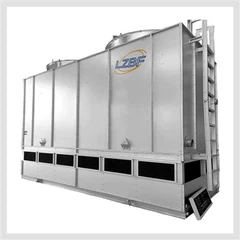
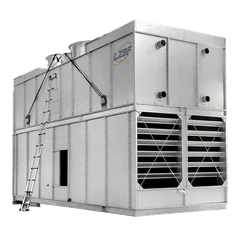
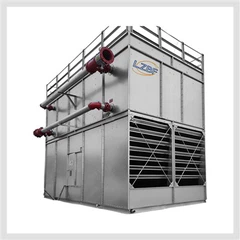
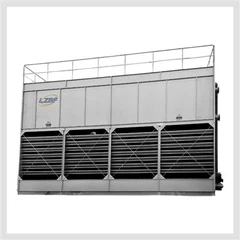
There are different types of evaporative type condensers, such as Condensadores Evaporativo, Indirect Evaporative Condenser, and Evaporative Cooled Condenser. Each type may have specific safety considerations.
Indirect evaporative condensers, for example, have a more complex heat exchange process. Special attention should be paid to the integrity of the heat exchanger. Any leaks in the heat exchanger can lead to cross - contamination between the refrigerant and the cooling water.
Evaporative cooled condensers rely on the evaporation of water for cooling. Therefore, the water quality is crucial. Poor water quality can lead to scale formation on the condenser coils, which can reduce the efficiency of the condenser and may also cause corrosion. Regular water treatment and monitoring are necessary to ensure the safe and efficient operation of evaporative cooled condensers.
Conclusion
Operating an evaporative type condenser safely requires a combination of pre - operation checks, proper use of personal protective equipment, careful operation, regular maintenance, and well - defined emergency procedures. By following these safety precautions, you can ensure the longevity of your condenser, protect the environment, and most importantly, safeguard the health and safety of your workers.
If you are in the market for a high - quality evaporative type condenser or need more information on safety measures, feel free to reach out to us. We are committed to providing you with the best products and services to meet your cooling needs. Our team of experts can assist you in selecting the right condenser for your application and offer guidance on its safe operation.
References
- Manufacturer's manuals for evaporative type condensers
- Industry standards for refrigeration and cooling equipment safety
- Occupational Safety and Health Administration (OSHA) guidelines for working with industrial equipment
Send Inquiry