


How to select the right fan for an evaporative type condenser?
Oct 21, 2025
Leave a message
Hey there! As a supplier of evaporative type condensers, I often get asked about how to select the right fan for these systems. It's a crucial decision that can significantly impact the performance and efficiency of your evaporative condenser. So, let's dive right in and explore the key factors you should consider when choosing a fan.
Understanding the Basics of Evaporative Type Condensers
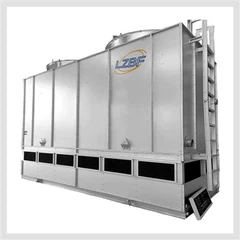
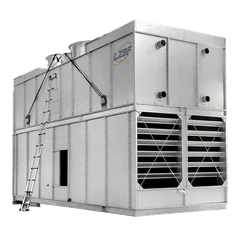
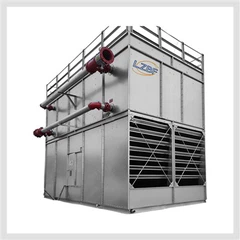
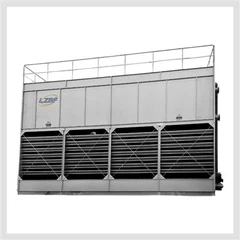
First off, let's quickly go over what an evaporative type condenser is. These condensers use the principle of evaporation to remove heat from the refrigerant. They're commonly used in industrial and commercial refrigeration systems, as well as in HVAC applications. The basic components of an evaporative condenser include a coil, a water distribution system, and a fan. The fan plays a vital role in the operation of the condenser by drawing air through the coil and over the water, facilitating the evaporation process and enhancing heat transfer.
Factors to Consider When Selecting a Fan
Airflow Requirements
One of the most important factors to consider when choosing a fan for an evaporative condenser is the airflow requirements. The fan needs to be able to provide enough air to ensure proper heat transfer and evaporation. The airflow rate is typically measured in cubic feet per minute (CFM). To determine the required CFM for your evaporative condenser, you'll need to consider factors such as the condenser's size, the heat load it needs to handle, and the ambient conditions. You can refer to the manufacturer's specifications or consult with an HVAC professional to get an accurate estimate of the required airflow.
Static Pressure
Static pressure is another crucial factor to consider. It refers to the resistance that the fan needs to overcome to move air through the condenser. The static pressure is influenced by various factors, including the design of the condenser, the length and diameter of the ductwork, and the presence of any obstructions. A fan with a higher static pressure rating is required if the system has a lot of resistance. You can measure the static pressure using a manometer, or you can rely on the manufacturer's data to select a fan with the appropriate static pressure rating.


Fan Efficiency
Fan efficiency is an important consideration from both an economic and an environmental perspective. A more efficient fan will consume less energy, resulting in lower operating costs and reduced carbon emissions. When comparing fans, look for the Energy Efficiency Ratio (EER) or the Seasonal Energy Efficiency Ratio (SEER). These ratings indicate how efficiently the fan converts electrical energy into airflow. Additionally, consider the fan's motor type. Direct-drive motors are generally more efficient than belt-drive motors because they eliminate the energy losses associated with belts and pulleys.
Noise Level
Noise can be a significant concern, especially in commercial and residential settings. You'll want to choose a fan that operates quietly without compromising on performance. The noise level of a fan is typically measured in decibels (dB). Look for fans with a low dB rating, and consider the fan's design and construction. For example, fans with aerodynamically designed blades tend to produce less noise than those with traditional blades.
Durability and Reliability
Since the fan will be operating continuously in the evaporative condenser, durability and reliability are essential. Look for fans made from high-quality materials that can withstand the harsh conditions inside the condenser, such as corrosion and high temperatures. Consider the fan's motor and bearings. A fan with a robust motor and high-quality bearings will have a longer lifespan and require less maintenance.
Types of Fans Suitable for Evaporative Type Condensers
Axial Fans
Axial fans are a popular choice for evaporative condensers. They work by moving air parallel to the axis of the fan blades. Axial fans are known for their high airflow rates and relatively low static pressure capabilities. They're typically more compact and less expensive than other types of fans, making them a cost-effective option for many applications. However, they may not be suitable for systems with high static pressure requirements.
Centrifugal Fans
Centrifugal fans, on the other hand, move air perpendicular to the axis of the fan blades. They're capable of generating higher static pressures than axial fans, making them a better choice for systems with complex ductwork or high resistance. Centrifugal fans are generally more efficient at handling high static pressures, but they tend to be larger and more expensive than axial fans.
Matching the Fan to the Evaporative Condenser
Once you've considered all the factors and determined the type of fan that's best suited for your needs, it's important to ensure that the fan is properly matched to the evaporative condenser. This involves making sure that the fan's airflow and static pressure ratings are compatible with the condenser's requirements. You can work with the condenser manufacturer or an HVAC engineer to ensure a proper match.
Additional Considerations
Variable Speed Fans
Variable speed fans offer several advantages over fixed-speed fans. They allow you to adjust the airflow rate based on the actual demand, which can result in significant energy savings. Variable speed fans can also help to maintain a more consistent temperature and humidity level in the condenser, improving its overall performance and efficiency.
Maintenance and Serviceability
Finally, consider the ease of maintenance and serviceability of the fan. Look for fans that are easy to access and clean, and that have readily available replacement parts. Regular maintenance, such as cleaning the fan blades and checking the motor and bearings, is essential to ensure the long-term performance and reliability of the fan.
Conclusion
Selecting the right fan for an evaporative type condenser is a critical decision that can have a significant impact on the performance, efficiency, and cost of your system. By considering factors such as airflow requirements, static pressure, fan efficiency, noise level, durability, and type of fan, you can make an informed choice that meets your specific needs. If you're in the market for an evaporative condenser or need help selecting the right fan, don't hesitate to reach out to us for more information and to discuss your options. We're here to help you find the perfect solution for your application.
References
- ASHRAE Handbook - HVAC Systems and Equipment
- Fan Engineering, Buffalo Forge Company
- Manufacturer's specifications for evaporative condensers and fans
Remember, if you want to learn more about Evaporative Cooled Condenser, Indirect Evaporative Cooler, or Evaporative Condensing Unit, feel free to click on the links. We're always here to assist you with your purchasing decisions and answer any questions you may have. So, don't wait any longer - get in touch with us today and let's start working on the perfect evaporative condenser solution for you!
Send Inquiry