


What is the heat transfer efficiency of a Recold Evaporative Condenser?
Oct 21, 2025
Leave a message
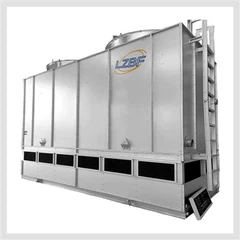
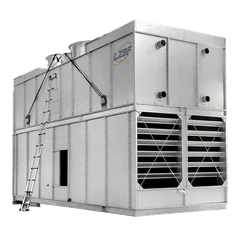
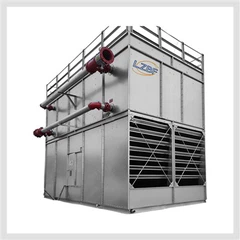
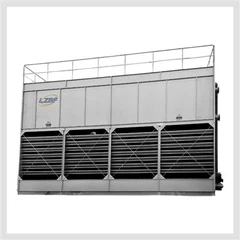
As a supplier of Recold Evaporative Condensers, I am frequently asked about the heat transfer efficiency of our products. In this blog post, I will delve into the factors that influence the heat transfer efficiency of a Recold Evaporative Condenser, how it compares to other types of condensers, and why it is a superior choice for many industrial applications.
Understanding Heat Transfer in Evaporative Condensers
Before we discuss the heat transfer efficiency of a Recold Evaporative Condenser, it's important to understand the basic principles of heat transfer in evaporative condensers. An evaporative condenser is a heat rejection device that uses the evaporation of water to remove heat from a refrigerant. The process involves three main steps:
- Heat Transfer from Refrigerant to Water: The hot refrigerant gas enters the condenser tubes, where it transfers heat to the water flowing over the outside of the tubes.
- Evaporation of Water: As the water absorbs heat from the refrigerant, a portion of it evaporates. This evaporation process requires latent heat, which is taken from the remaining water and the refrigerant, further cooling the refrigerant.
- Heat Transfer to the Surrounding Air: The warm, moist air is then discharged from the condenser, carrying the heat away with it.
The efficiency of this process depends on several factors, including the design of the condenser, the quality of the materials used, the operating conditions, and the control system.
Factors Affecting the Heat Transfer Efficiency of a Recold Evaporative Condenser
1. Design and Construction
The design of a Recold Evaporative Condenser is optimized for maximum heat transfer efficiency. Our condensers feature a unique tube bundle design that provides a large surface area for heat transfer between the refrigerant and the water. The tubes are made of high-quality materials, such as copper or stainless steel, which have excellent thermal conductivity. Additionally, the condenser is designed to ensure uniform water distribution over the tubes, which helps to prevent dry spots and improve heat transfer.
2. Water Management
Proper water management is crucial for maintaining high heat transfer efficiency in an evaporative condenser. Our Recold Evaporative Condensers are equipped with advanced water management systems that ensure a consistent supply of water to the condenser tubes. The water is recirculated through the condenser, reducing water consumption and minimizing the need for makeup water. Additionally, the water management system includes filters and water treatment equipment to prevent the buildup of scale and other contaminants, which can reduce heat transfer efficiency.


3. Airflow and Ventilation
The airflow and ventilation in an evaporative condenser play a significant role in its heat transfer efficiency. Our Recold Evaporative Condensers are designed with large, high-efficiency fans that provide a steady flow of air through the condenser. The fans are strategically located to ensure uniform airflow over the tubes, which helps to improve heat transfer. Additionally, the condenser is designed to allow for proper ventilation, which helps to prevent the buildup of hot, moist air inside the condenser, reducing the risk of corrosion and other damage.
4. Control System
The control system in a Recold Evaporative Condenser is designed to optimize its performance and efficiency. Our condensers are equipped with advanced sensors and controls that monitor the temperature, pressure, and flow rate of the refrigerant and the water. The control system adjusts the operation of the condenser based on these parameters, ensuring that it operates at peak efficiency under all conditions. Additionally, the control system includes alarms and diagnostic features that alert operators to any potential problems, allowing for timely maintenance and repairs.
Comparison with Other Types of Condensers
When compared to other types of condensers, such as air-cooled condensers and water-cooled condensers, a Recold Evaporative Condenser offers several advantages in terms of heat transfer efficiency.
1. Air-Cooled Condensers
Air-cooled condensers rely on the flow of air over the condenser tubes to remove heat from the refrigerant. While air-cooled condensers are relatively simple and inexpensive to install, they are less efficient than evaporative condensers. This is because the heat transfer coefficient of air is much lower than that of water, which means that more surface area is required to achieve the same level of heat transfer. Additionally, air-cooled condensers are more sensitive to ambient temperature and humidity, which can reduce their performance in hot and humid conditions.
2. Water-Cooled Condensers
Water-cooled condensers use water as a cooling medium to remove heat from the refrigerant. While water-cooled condensers are more efficient than air-cooled condensers, they require a large amount of water and a complex water treatment system to prevent the buildup of scale and other contaminants. Additionally, water-cooled condensers are more expensive to install and operate than evaporative condensers, due to the cost of the water and the energy required to pump it through the condenser.
Why Choose a Recold Evaporative Condenser?
There are several reasons why a Recold Evaporative Condenser is a superior choice for many industrial applications.
1. High Heat Transfer Efficiency
As discussed above, our Recold Evaporative Condensers are designed to provide maximum heat transfer efficiency. This means that they can remove more heat from the refrigerant using less energy, resulting in lower operating costs and a smaller carbon footprint.
2. Water Conservation
Our Recold Evaporative Condensers are designed to minimize water consumption by recirculating the water through the condenser. This not only reduces water usage but also helps to prevent water pollution by reducing the amount of wastewater generated.
3. Low Maintenance
Our Recold Evaporative Condensers are designed for easy maintenance and long service life. The advanced water management system and control system help to prevent the buildup of scale and other contaminants, reducing the need for frequent cleaning and maintenance. Additionally, the high-quality materials used in the construction of our condensers ensure that they are durable and reliable, even in harsh operating conditions.
4. Customizable Design
We understand that every industrial application is unique, which is why we offer a range of customizable options for our Recold Evaporative Condensers. Our experienced engineering team can work with you to design a condenser that meets your specific requirements, including capacity, size, and operating conditions.
Conclusion
In conclusion, the heat transfer efficiency of a Recold Evaporative Condenser is influenced by several factors, including the design and construction, water management, airflow and ventilation, and control system. Our Recold Evaporative Condensers are designed to provide maximum heat transfer efficiency, water conservation, low maintenance, and customizable design. When compared to other types of condensers, such as air-cooled condensers and water-cooled condensers, a Recold Evaporative Condenser offers several advantages in terms of performance, efficiency, and cost.
If you are interested in learning more about our Recold Evaporative Condensers or would like to discuss your specific requirements, please contact us. Our experienced sales team will be happy to assist you and provide you with a detailed quote.
References
- ASHRAE Handbook - HVAC Systems and Equipment. American Society of Heating, Refrigerating and Air-Conditioning Engineers, Inc.
- Perry's Chemical Engineers' Handbook. McGraw-Hill Education.
- Heat Transfer: A Practical Approach. Yunus A. Cengel. McGraw-Hill Education.
Send Inquiry