

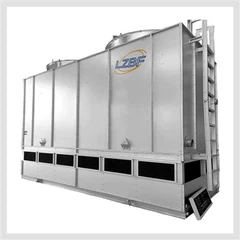
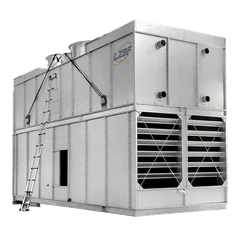
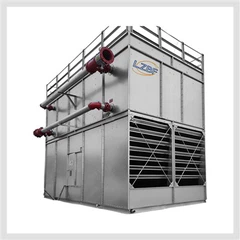
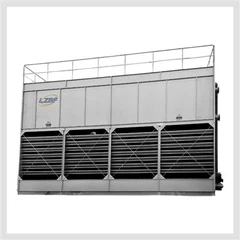

How to install a Composite Closed Cooling Tower?
Nov 05, 2025
Leave a message
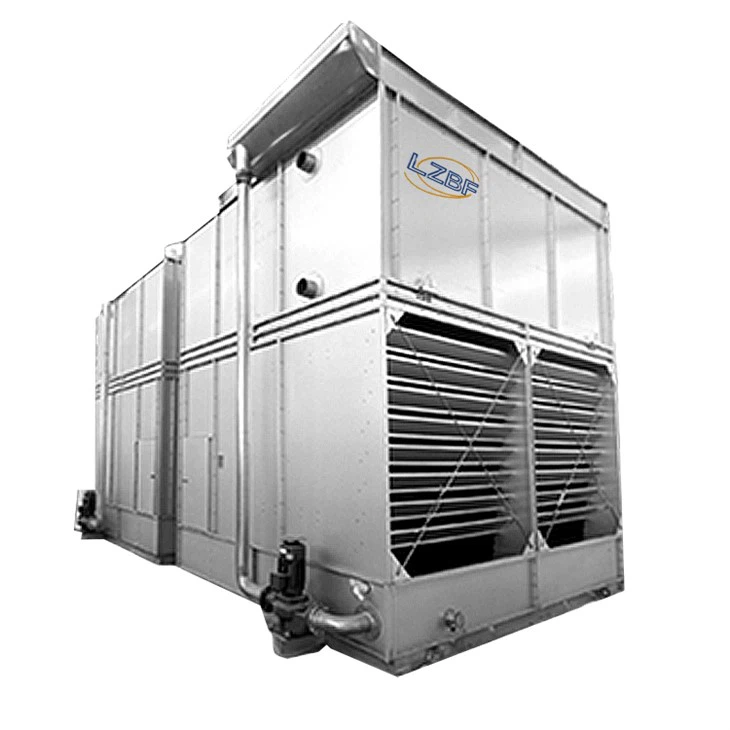
Installing a composite closed cooling tower requires careful planning, precise execution, and adherence to safety protocols. As a leading supplier of composite closed cooling towers, I understand the importance of providing clear guidance to ensure a successful installation process. In this blog post, I will walk you through the step-by-step process of installing a composite closed cooling tower, highlighting key considerations and best practices along the way.
Step 1: Site Preparation
The first step in installing a composite closed cooling tower is to prepare the installation site. This involves selecting a suitable location that meets the tower's requirements and ensuring the site is level, stable, and well-drained. Here are some key considerations for site preparation:
- Location: Choose a location that is easily accessible for maintenance and repair, away from sources of heat, dust, and debris, and with sufficient space for the tower and associated equipment.
- Foundation: The cooling tower must be installed on a solid, level foundation that can support its weight and withstand the forces generated during operation. The foundation should be designed and constructed by a qualified engineer to ensure its stability and durability.
- Clearance: Provide adequate clearance around the tower for ventilation, access, and maintenance. Refer to the manufacturer's specifications for the recommended clearance distances.
- Utilities: Ensure that the site has access to the necessary utilities, including water, electricity, and drainage. The water supply should be clean, free of contaminants, and have the appropriate pressure and flow rate.
Step 2: Tower Assembly
Once the site is prepared, the next step is to assemble the composite closed cooling tower. This involves unpacking the tower components, inspecting them for damage, and following the manufacturer's instructions to assemble the tower. Here are some general guidelines for tower assembly:
- Unpacking: Carefully unpack the tower components and inspect them for any damage or missing parts. Contact the manufacturer immediately if you notice any issues.
- Assembly: Follow the manufacturer's assembly instructions carefully, using the appropriate tools and hardware. Ensure that all connections are tight and secure, and that the tower is level and plumb.
- Installation of Internal Components: Install the internal components of the tower, such as the fill media, distribution system, and drift eliminators. Make sure these components are properly installed and aligned to ensure optimal performance.
Step 3: Piping and Electrical Connections
After the tower is assembled, the next step is to make the piping and electrical connections. This involves connecting the tower to the water supply, the process equipment, and the electrical power source. Here are some key considerations for piping and electrical connections:
- Piping: Use high-quality piping materials that are compatible with the tower and the process fluid. Ensure that the piping is properly sized, installed, and supported to prevent leaks and minimize pressure drop.
- Valves and Fittings: Install the necessary valves and fittings, such as isolation valves, check valves, and flow meters, to control the flow of water and ensure proper operation of the tower.
- Electrical Connections: Make the electrical connections according to the manufacturer's instructions and local electrical codes. Ensure that the electrical wiring is properly sized, installed, and grounded to prevent electrical hazards.
Step 4: Water Treatment System Installation
A water treatment system is essential for maintaining the performance and longevity of a composite closed cooling tower. This system helps to prevent the growth of algae, bacteria, and scale, which can reduce the tower's efficiency and cause damage to the equipment. Here are some key considerations for water treatment system installation:
- System Selection: Choose a water treatment system that is appropriate for the size and type of the cooling tower, as well as the quality of the water supply. Consider factors such as the water hardness, pH level, and the presence of contaminants.
- Installation: Install the water treatment system according to the manufacturer's instructions. Ensure that the system is properly connected to the tower and the water supply, and that it is operating correctly.
- Maintenance: Regularly maintain the water treatment system to ensure its effectiveness. This includes checking the chemical levels, replacing the filters, and cleaning the equipment.
Step 5: Commissioning and Testing
Once the tower is installed and all the connections are made, the next step is to commission and test the tower. This involves filling the tower with water, starting the pumps and fans, and checking the operation of the tower and the associated equipment. Here are some key considerations for commissioning and testing:
- Water Filling: Fill the tower with water slowly to prevent damage to the tower and the internal components. Check for leaks and ensure that the water level is within the recommended range.
- Pump and Fan Operation: Start the pumps and fans and check their operation. Ensure that the pumps are delivering the correct flow rate and pressure, and that the fans are rotating in the correct direction.
- Temperature and Pressure Monitoring: Monitor the temperature and pressure of the water and the air in the tower. Ensure that the tower is operating within the recommended temperature and pressure ranges.
- Performance Testing: Conduct performance testing to verify the tower's performance. This includes measuring the cooling capacity, the approach temperature, and the efficiency of the tower.
Step 6: Training and Maintenance
After the tower is commissioned and tested, it is important to provide training to the operators and maintenance personnel. This will ensure that they understand how to operate and maintain the tower properly, and that they can identify and troubleshoot any issues that may arise. Here are some key considerations for training and maintenance:

- Training: Provide comprehensive training to the operators and maintenance personnel on the operation, maintenance, and safety of the cooling tower. This should include hands-on training and the use of training materials such as manuals and videos.
- Maintenance Schedule: Develop a maintenance schedule for the cooling tower and the associated equipment. This should include regular inspections, cleaning, and replacement of parts as needed.
- Record Keeping: Keep detailed records of the tower's operation and maintenance. This will help to identify any trends or issues, and will provide a history of the tower's performance.
Conclusion
Installing a composite closed cooling tower is a complex process that requires careful planning, precise execution, and adherence to safety protocols. By following the steps outlined in this blog post, you can ensure a successful installation and optimal performance of your cooling tower. If you have any questions or need further assistance, please do not hesitate to contact us. We are a leading supplier of composite closed cooling towers, offering a wide range of products including Dry and Wet Combination Closed Cooling Tower, Indirect Evaporative Closed Circuit Cooling Tower, and 300 Ton Closed Circuit Cooling Tower. Our team of experts is ready to help you with your cooling tower needs and guide you through the procurement process.
References
- Cooling Tower Institute. (2023). Cooling Tower Installation and Maintenance Guidelines.
- Manufacturer's Installation and Operation Manuals for Composite Closed Cooling Towers.
Send Inquiry