


Can a crossflow closed cooling tower be used in a pharmaceutical factory?
Dec 12, 2025
Leave a message
In the pharmaceutical industry, maintaining precise temperature control is crucial for various processes, from drug synthesis to storage. Cooling systems play a vital role in ensuring that equipment and processes operate within the required temperature ranges. One type of cooling solution that has gained significant attention is the crossflow closed cooling tower. As a supplier of Crossflow Closed Cooling Towers, I often get asked whether these cooling towers can be effectively used in a pharmaceutical factory. In this blog post, I will explore the suitability of crossflow closed cooling towers for pharmaceutical applications, discussing their features, benefits, and considerations.
Understanding Crossflow Closed Cooling Towers
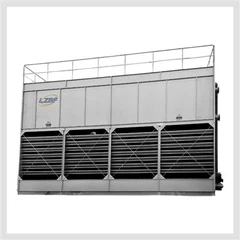
Before delving into their applicability in pharmaceutical factories, let's first understand what crossflow closed cooling towers are. A crossflow closed cooling tower is a heat rejection device that uses a combination of air and water to cool a process fluid, typically water or a water-glycol mixture. In a crossflow design, the air flows horizontally across the fill media, while the hot process fluid is distributed vertically over the fill. This counterflow arrangement allows for efficient heat transfer between the air and the process fluid.
The "closed" aspect of the cooling tower means that the process fluid is contained within a closed-loop system, separated from the external environment. This design prevents contamination of the process fluid and reduces the risk of corrosion and scaling, which can be particularly important in pharmaceutical applications where purity and reliability are paramount.
Benefits of Using Crossflow Closed Cooling Towers in Pharmaceutical Factories
1. Purity and Contamination Control
In the pharmaceutical industry, maintaining the purity of the process fluid is essential to ensure the quality and safety of the final products. Crossflow closed cooling towers provide a closed-loop system that isolates the process fluid from the external environment, preventing the ingress of contaminants such as dust, dirt, and microorganisms. This helps to maintain the integrity of the process fluid and reduces the risk of product contamination.
2. Energy Efficiency
Energy consumption is a significant concern in pharmaceutical factories, as many processes require continuous cooling. Crossflow closed cooling towers are designed to be energy-efficient, using advanced fan and pump technologies to minimize power consumption. Additionally, the closed-loop design reduces the amount of water evaporation, which can further save energy by reducing the need for makeup water and associated water treatment.
3. Precise Temperature Control
Pharmaceutical processes often require precise temperature control to ensure consistent product quality. Crossflow closed cooling towers are capable of providing accurate temperature regulation, thanks to their advanced control systems and heat transfer design. By maintaining a stable temperature in the process fluid, these cooling towers help to optimize the performance of pharmaceutical equipment and processes.
4. Reduced Maintenance
Closed-loop cooling systems are generally easier to maintain than open cooling towers, as they are less prone to corrosion, scaling, and fouling. Crossflow closed cooling towers typically have a longer service life and require less frequent maintenance, which can reduce downtime and maintenance costs in a pharmaceutical factory.
5. Environmental Friendliness
With increasing environmental concerns, pharmaceutical companies are looking for sustainable cooling solutions. Crossflow closed cooling towers are environmentally friendly, as they use less water and energy compared to traditional open cooling towers. Additionally, the closed-loop design reduces the risk of water pollution, making these cooling towers a more sustainable choice for pharmaceutical applications.
Types of Crossflow Closed Cooling Towers for Pharmaceutical Applications
As a supplier of Crossflow Closed Cooling Towers, we offer a range of products to meet the specific needs of pharmaceutical factories. Here are some of the types of crossflow closed cooling towers that are suitable for pharmaceutical applications:
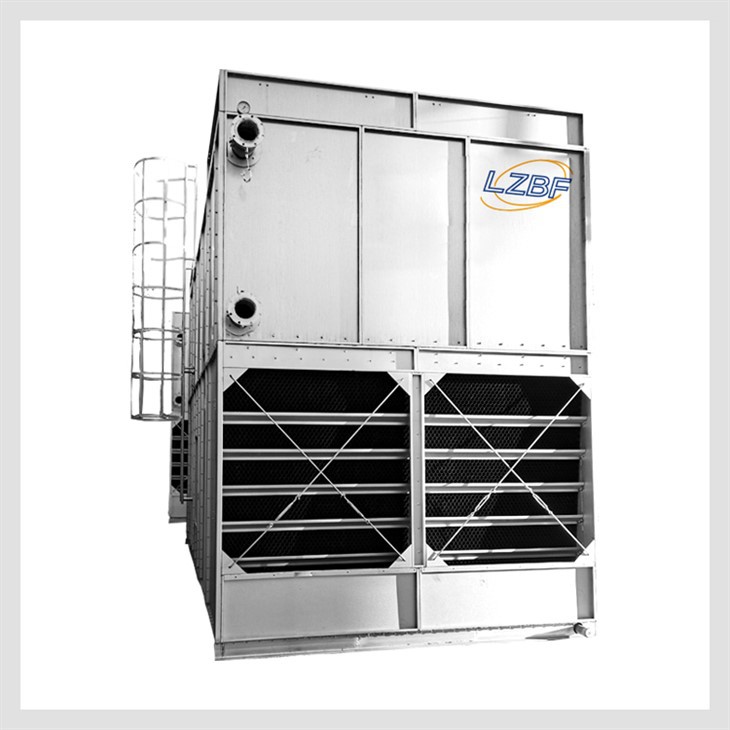

Compound Cross Type Closed Cooling Towers
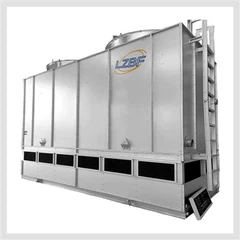
Compound Cross Type Closed Cooling Towers are designed to provide high-efficiency cooling in a compact footprint. These cooling towers use a combination of crossflow and counterflow heat transfer principles to optimize the heat transfer process. They are suitable for a wide range of pharmaceutical applications, including process cooling, equipment cooling, and air conditioning.
Split-type Dry-wet Closed Cooling Tower
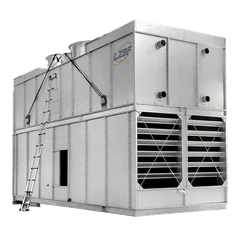
Split-type Dry-wet Closed Cooling Tower offer a flexible cooling solution that can operate in both dry and wet modes. In dry mode, the cooling tower uses only air to cool the process fluid, which can save energy and reduce water consumption. In wet mode, the cooling tower uses a combination of air and water to provide enhanced cooling performance. This type of cooling tower is ideal for pharmaceutical applications where water conservation and energy efficiency are important.
Wet and Dry Closed Cooling Tower
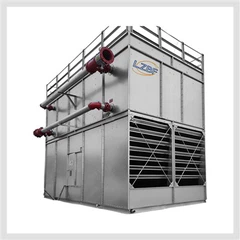
Wet and Dry Closed Cooling Tower are designed to provide reliable cooling in a variety of environmental conditions. These cooling towers can operate in both wet and dry modes, depending on the ambient temperature and humidity. In wet mode, the cooling tower uses a combination of air and water to provide maximum cooling capacity. In dry mode, the cooling tower relies on air alone to cool the process fluid, which can save energy and reduce water consumption.
Considerations for Using Crossflow Closed Cooling Towers in Pharmaceutical Factories
While crossflow closed cooling towers offer many benefits for pharmaceutical applications, there are some considerations that need to be taken into account before making a decision.
1. Initial Investment
Crossflow closed cooling towers typically have a higher initial investment compared to open cooling towers. However, the long-term benefits of reduced maintenance, energy savings, and improved product quality often outweigh the initial cost. It is important to conduct a cost-benefit analysis to determine the most cost-effective cooling solution for your specific pharmaceutical application.
2. Space Requirements
Crossflow closed cooling towers require a certain amount of space for installation, including both the tower itself and the associated piping and equipment. It is important to ensure that there is sufficient space available in the pharmaceutical factory to accommodate the cooling tower and that the installation location is easily accessible for maintenance and repairs.
3. Water Quality
Although the closed-loop design of crossflow closed cooling towers reduces the risk of water contamination, it is still important to ensure that the quality of the makeup water is suitable for the cooling system. Poor water quality can lead to scale formation, corrosion, and other problems that can affect the performance and reliability of the cooling tower. It is recommended to conduct water quality testing and implement appropriate water treatment measures to maintain the integrity of the cooling system.
Conclusion
In conclusion, crossflow closed cooling towers are a suitable and effective cooling solution for pharmaceutical factories. Their ability to provide purity, energy efficiency, precise temperature control, and reduced maintenance make them an attractive option for a wide range of pharmaceutical applications. As a supplier of Crossflow Closed Cooling Towers, we are committed to providing high-quality products and services that meet the specific needs of our pharmaceutical customers.
If you are considering using a crossflow closed cooling tower in your pharmaceutical factory, I encourage you to contact us to discuss your requirements. Our team of experts can help you select the right cooling tower for your application and provide you with a customized solution that meets your budget and performance expectations. Let's work together to ensure the success of your pharmaceutical processes.
References
- ASHRAE Handbook - HVAC Systems and Equipment. American Society of Heating, Refrigerating and Air-Conditioning Engineers (ASHRAE).
- Pharmaceutical Engineering: A Guide to the Design, Operation, and Validation of Pharmaceutical Manufacturing Facilities. Pharmaceutical Press.
- Cooling Tower Handbook. The Cooling Technology Institute.
Send Inquiry