


How to reduce the pressure drop in an evaporative type condenser?
Dec 12, 2025
Leave a message
Hey there! As a supplier of evaporative type condensers, I've seen firsthand how crucial it is to keep the pressure drop in these systems as low as possible. A high pressure drop can lead to all sorts of problems, like reduced efficiency, increased energy consumption, and even premature wear and tear on the equipment. So, in this blog post, I'm gonna share some tips on how to reduce the pressure drop in an evaporative type condenser.
First off, let's talk about what pressure drop actually is. In simple terms, pressure drop is the difference in pressure between the inlet and the outlet of a system. In an evaporative type condenser, pressure drop occurs as the refrigerant flows through the condenser tubes and as the air and water flow over the tubes. The higher the pressure drop, the more energy is required to move the refrigerant, air, and water through the system.
One of the most effective ways to reduce pressure drop in an evaporative type condenser is to optimize the design of the condenser. This includes choosing the right tube size, shape, and spacing, as well as the right air and water flow rates. For example, using larger diameter tubes can reduce the velocity of the refrigerant and air, which in turn reduces the pressure drop. Similarly, using a more open tube spacing can allow for better air and water flow, which also reduces the pressure drop.
Another important factor to consider is the cleanliness of the condenser. Over time, dirt, debris, and scale can build up on the condenser tubes, which can increase the pressure drop. To prevent this, it's important to regularly clean the condenser using a suitable cleaning solution. You can also install a water treatment system to prevent scale buildup in the first place.
The air and water distribution in the condenser also plays a crucial role in reducing pressure drop. Uneven air and water distribution can lead to hot spots and areas of high pressure drop. To ensure even distribution, you can use a distributor plate or a spray nozzle system. These devices help to evenly distribute the air and water over the condenser tubes, which reduces the pressure drop.
In addition to optimizing the design and maintaining the cleanliness of the condenser, you can also use some advanced technologies to reduce pressure drop. For example, some evaporative type condensers are equipped with variable frequency drives (VFDs) for the fans and pumps. VFDs allow you to adjust the speed of the fans and pumps based on the actual load of the system, which can reduce the energy consumption and the pressure drop.
Another technology that can be used is the use of enhanced heat transfer surfaces. These surfaces have a larger surface area than traditional surfaces, which allows for better heat transfer and reduces the pressure drop. For example, some condensers use microfin tubes or plate fins to increase the heat transfer area.
Now, let's take a look at some specific types of evaporative type condensers and how to reduce the pressure drop in each of them.
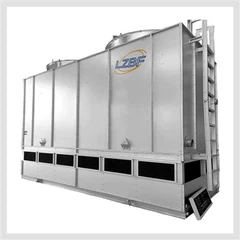
Condensadores Evaporativo
Condensadores Evaporativo are widely used in many industrial applications. To reduce the pressure drop in these condensers, you can follow the same principles as mentioned above. Make sure to choose the right tube size and spacing, keep the condenser clean, and ensure even air and water distribution. Additionally, you can consider using VFDs for the fans and pumps to optimize the energy consumption.
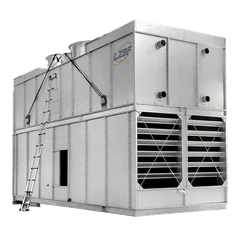
Evaporative Condenser Cooling Tower
Evaporative Condenser Cooling Tower is another type of evaporative type condenser that combines the functions of a condenser and a cooling tower. In these systems, it's important to ensure that the water distribution is even across the cooling tower fill. You can also use a water distribution system that is designed to minimize the pressure drop. Additionally, make sure to regularly clean the cooling tower fill to prevent clogging and reduce the pressure drop.
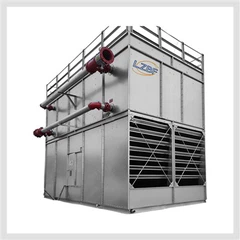
Indirect Evaporative Condenser
Indirect Evaporative Condenser uses a separate heat exchanger to transfer heat from the refrigerant to the water. To reduce the pressure drop in these condensers, you can focus on optimizing the design of the heat exchanger. Choose the right tube size, shape, and spacing, and ensure that the water flow rate is sufficient to provide effective heat transfer. You can also use a water treatment system to prevent scale buildup in the heat exchanger.


In conclusion, reducing the pressure drop in an evaporative type condenser is essential for improving the efficiency and performance of the system. By optimizing the design, maintaining the cleanliness, ensuring even air and water distribution, and using advanced technologies, you can significantly reduce the pressure drop and save energy.
If you're in the market for an evaporative type condenser or need help with reducing the pressure drop in your existing system, don't hesitate to contact us. We're a leading supplier of evaporative type condensers, and we have the expertise and experience to help you find the right solution for your needs. Let's work together to improve the efficiency of your system and save you money in the long run.
References
- "Handbook of Heat Transfer" by Frank Kreith and Mark S. Bohn
- "Thermal Design of Heat Exchangers" by A. K. Kakac and H. Liu
- "Evaporative Cooling Handbook" by the American Society of Heating, Refrigerating and Air-Conditioning Engineers (ASHRAE)
Send Inquiry