


What Are The Functions Of A Cooling Water Circulation System?
Nov 24, 2025
Leave a message
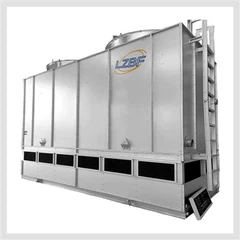
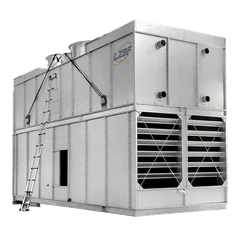
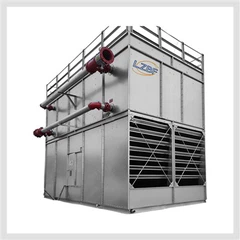
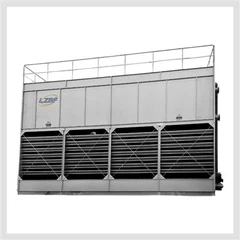
closed-circuit cooling tower
It is a closed or semi-closed loop whose core purpose is to continuously and efficiently transfer and dissipate excess heat generated during industrial processes to the environment, thereby ensuring the stable, efficient, and safe operation of the main system. Its specific functions can be summarized into the following core aspects:

Core Function:
Continuously cool key equipment to ensure stable system operationThis is the most basic and important function of the system. In industrial production (such as oil refining, chemical engineering, pharmaceutical manufacturing) or energy power generation (such as thermal power plants, nuclear power plants), many key equipment like engines, compressors, injection molding machines, and metallurgical furnaces generate massive heat during operation. In commercial buildings, the refrigeration units of central air conditioning systems (especially condensers) also require continuous heat dissipation. By continuously flowing through the heat exchange surfaces of these equipment, the cooling water circulation system removes the generated heat, preventing equipment shutdown or even damage due to overheating, thus ensuring the continuity and stability of the main process.
Key Function:
Recover and transfer heat to improve energy efficiencyThe system does not merely "waste" heat. In a well-designed system, the heat carried by the heated cooling water can be recovered and reused. For example, it can be used to preheat boiler feedwater, provide domestic hot water for buildings, or supply heating in winter. This reduces additional energy consumption, significantly improves the comprehensive energy efficiency of the entire factory or building, and achieves energy conservation and consumption reduction.


Direct Function:
Protect equipment and extend service lifeExcessively high temperatures are not only efficiency killers but also "service life killers" of equipment. They accelerate the aging of lubricating oil inside mechanical equipment, cause performance degradation of electronic components, and induce thermal fatigue and stress deformation of metal materials. Through precise temperature control, a stable cooling system can effectively avoid these issues, greatly extend the service life of core equipment, and reduce replacement and maintenance costs caused by equipment damage.
Economic and Environmental Function:
Significantly save water resourcesCompared with once-through cooling systems (i.e., using water once and discharging it directly after cooling), the circulation system cools the heat-absorbed water through cooling towers or closed-circuit cooling towers before recycling it. This reduces the water make-up volume of the system (only needing to supplement the part lost through evaporation, drift, and blowdown) by more than 95% compared with once-through systems. It is of great significance in water-scarce areas, while also reducing wastewater discharge, delivering remarkable economic and environmental benefits.


Precise Control Function:
Maintain process conditions to ensure product qualityIn many precision chemical or biopharmaceutical processes, reaction temperature is a key parameter determining product quality and yield. The cooling water circulation system can provide a stable and controllable cooling source, ensuring that production reactions are carried out within the optimal temperature range. This is crucial for guaranteeing the consistency and high quality of products.

In summary, the cooling water circulation system is a multi-functional system integrating "safety guarantee, energy efficiency improvement, resource conservation, equipment protection, and process stabilization". Through effective heat dissipation, it controls the condenser temperature within a reasonable range, ensures the normal discharge pressure and temperature of the refrigeration compressor, prevents the refrigeration system from shutting down due to high-pressure protection caused by overheating, and guarantees that refrigeration equipment continuously and stably provides cooling capacity.
Send Inquiry