


Advantages And Disadvantages Of Closed Cooling Towers And Open Cooling Towers
Nov 22, 2025
Leave a message

A cooling tower is a device that cools water through direct or indirect contact between air and water. It can be divided into two types based on whether the water comes into contact with air. These two types of cooling towers adopt the same heat exchange principle and have similar refrigeration effects, but there are certain differences in some aspects. Moreover, the cost calculation of closed and open cooling towers involves multiple factors, including equipment purchase cost, operation cost, maintenance cost, as well as long-term benefits, depreciation, and disposal expenses.
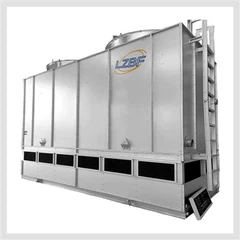
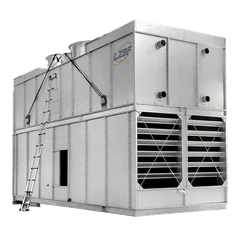
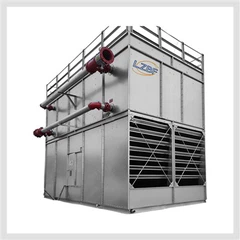
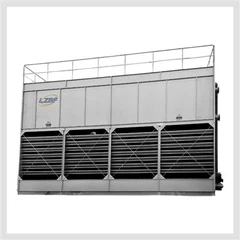
Advantages and Disadvantages of Closed Cooling Towers
Advantages

Clean Water Quality
Closed cooling towers adopt a fully enclosed circulating cooling system, which prevents debris from entering the cooling pipeline system and avoids pipeline blockages. Meanwhile, it ensures the cleanliness of the cooling water and reduces water pollution and maintenance costs.
Water and Energy Conservation
Since closed cooling towers do not require the excavation of a water storage tank and adopt an efficient heat exchange method, they can save water and reduce energy consumption. Their water make - up volume is extremely low, accounting for only 0.1% - 0.2% of the circulating water volume, which is much lower than the 1.24% - 2% of open cooling towers.


High Cooling Efficiency
Employing a dual cooling method combining air cooling and evaporative heat absorption, closed cooling towers boast higher cooling efficiency and can better meet the needs of industrial production.
Wide Range of Applicable Media
They can directly cool various media such as water, oils, and alcohols. During the cooling process, the media suffer no loss and maintain stable compositions.


Low Maintenance Costs
As the internal circulation is isolated from the atmosphere, the entire system is less prone to scaling and blockages, resulting in a low failure rate, reduced maintenance costs and less downtime.
Disadvantages

High Initial Investment
Closed cooling towers are equipped with high - performance components like heat exchange coils, leading to high manufacturing costs. Their price is usually several times that of open cooling towers.
Strict Anti - freezing Requirements
In northern regions where temperatures are quite low in winter, insufficient anti - freezing measures may cause partial freezing cracks in the cooler, affecting the normal operation of the equipment.

Advantages and Disadvantages of Open Cooling Towers

Advantages
Low Initial Investment: Open cooling towers have a relatively simple structure, usually consisting of basic components such as nozzles, fillers, water collection tanks, and fans. Their low manufacturing costs make the procurement and installation fees affordable.
High Cooling Efficiency: As the circulating water comes into direct contact with air, a large amount of heat is removed through water evaporation. This high cooling efficiency makes them particularly suitable for industrial production that demands fast cooling speeds.
Disadvantages
High Risk of Water Quality Contamination: The circulating water is directly exposed to the air, making it vulnerable to contamination by dust, impurities, microorganisms, and other substances. Frequent water treatment is required, which increases operational costs and exerts adverse environmental impacts.
Significant Water Waste: Open cooling towers have high evaporation rates and substantial water loss. This becomes a notable drawback especially in water - scarce areas.
High Energy Consumption: Due to water head loss and open - type lift loss, open cooling towers consume a large amount of electricity and typically require two sets of water pumps to meet operational requirements.

Send Inquiry