


How to Choose the Right Closed-Circuit Cooling Tower for Your Data Center
Sep 18, 2026
Leave a message

 Data center cooling is not a one-size-fits-all application. The cooling tower that works perfectly for a small server room may be completely inadequate for a large-scale colocation facility. Making the wrong choice can lead to insufficient cooling capacity, excessive energy consumption, or costly upgrades down the road.
If you are evaluating closed-circuit cooling towers for your data center, here are the key factors you need to consider before placing an order.
1. Calculate Your Heat Rejection Requirements
 The first step is understanding exactly how much heat your facility needs to reject. This is determined by:
Total IT load (in kW)
Chiller or cooling system capacity
UPS and lighting heat gains
Safety margin (typically 10-20% above calculated load)
Undersizing a cooling tower is one of the most common mistakes in data center projects. Always design for peak load conditions, not average conditions.
2. Consider Your Local Climate Conditions
 Ambient temperature and humidity levels directly affect cooling tower performance. A tower that performs well in a temperate climate may struggle in extreme heat or high humidity.
Key climate factors to evaluate:
Design wet-bulb temperature: This is the most critical parameter for evaporative cooling performance.
Peak summer temperatures: Ensure the tower can handle your hottest days without losing capacity.
Winter temperatures: If freezing is a concern, you will need freeze protection features such as basin heaters or glycol systems.
3. Evaluate Water Availability and Quality
 Water is a significant operational cost for data centers. Before selecting a cooling tower, check:
Local water supply costs and restrictions
Municipal regulations on industrial water usage
Availability of make-up water
Water quality (hard water may require additional treatment)
Closed-circuit cooling towers have a clear advantage here because the sealed process loop eliminates evaporation losses from the process fluid. Only the external spray water evaporates, resulting in significantly lower overall water consumption compared to open-circuit systems.
4. Plan for Redundancy and Scalability
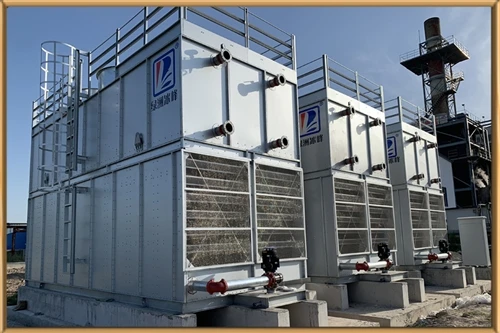 Data centers cannot afford single points of failure. When designing your cooling system, consider:
N+1 redundancy: Install one additional tower beyond the minimum requirement so that maintenance or failure of one unit does not affect operations.
Modular design: Choose a system that allows you to add capacity in the future without replacing the entire installation.
Parallel operation: Multiple smaller towers running in parallel often provide better flexibility than one oversized unit.
5. Match the Tower to Your Cooling Architecture
 Not all data centers use the same cooling approach. Your cooling tower selection should align with your overall system design:
Chilled water systems: The cooling tower rejects heat from the condenser water loop.
Liquid cooling systems: The tower provides a clean, stable heat rejection loop for direct-to-chip or rear-door cooling.
Hybrid systems: Combine air cooling and evaporative cooling for maximum efficiency across different seasons.
Closed-circuit towers integrate well with all of these architectures because they provide a clean, isolated process loop that protects downstream equipment.
6. Review Controls and Monitoring Capabilities
 Modern data centers require real-time visibility into cooling performance. Look for cooling towers that offer:
Variable frequency drives for energy-efficient fan and pump control
Remote monitoring and alarm capabilities
Integration with building management systems (BMS)
Automated freeze protection and load-following controls
Smart controls help reduce energy waste and allow your operations team to respond quickly to changing conditions.
Conclusion
Choosing the right closed-circuit cooling tower for your data center is about more than just picking a model from a catalog. It requires a clear understanding of your heat load, climate conditions, water situation, redundancy needs, and long-term growth plans.
Taking the time to evaluate these factors upfront will help you avoid costly mistakes and ensure your cooling system delivers reliable, efficient performance for the life of your facility.
Need help sizing a cooling tower for your data center project? Send us your specifications, and our engineering team will provide a tailored recommendation.

Send Inquiry