


Choosing The Right Closed-Circuit Cooling Tower: Types, Selection, And Winter Operation
Sep 02, 2026
Leave a message

When upgrading industrial cooling systems, facility managers often face a critical question: which type of closed-circuit cooling tower best fits their specific operational needs? While all closed-loop towers share the fundamental advantage of protecting process fluid purity, their internal airflow and water distribution designs vary significantly. Understanding these differences is key to optimizing heat transfer efficiency and minimizing total cost of ownership.
Three Main Configurations: Matching Design to Environment
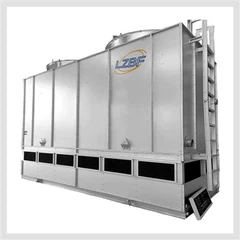
 Counter-Flow Design: In this configuration, air enters from the bottom and flows vertically upward, directly opposing the downward spray of water. This counter-current arrangement maximizes the temperature difference between the air and the process fluid, resulting in superior heat transfer efficiency. Counter-flow towers typically require a smaller footprint and are ideal for heavy-duty industrial applications where space is limited but high cooling capacity is required.
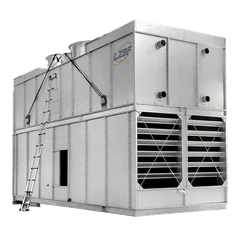
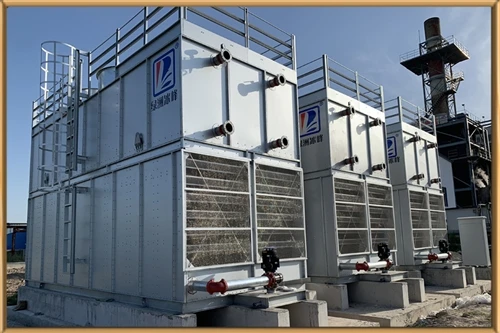 Cross-Flow Design: Here, air is drawn horizontally across the falling water and coils. This design generally offers lower air resistance and quieter operation, making it highly suitable for installations near residential areas, hospitals, or commercial buildings with strict noise ordinances. Additionally, cross-flow towers often feature accessible maintenance doors, allowing technicians to service internal components without shutting down the entire system.
 Hybrid (Dry/Wet) Design: For facilities in water-scarce regions or those seeking maximum energy efficiency, hybrid towers are the ultimate solution. They combine dry air cooling with wet evaporative cooling. During cooler seasons, the system operates in "dry mode" using only fans, completely eliminating water consumption and preventing visible plumes. When heat loads peak in summer, the wet mode automatically activates to ensure optimal cooling.
Critical Selection Criteria
Selecting the right equipment goes beyond calculating the heat load. Engineers must consider the chemical compatibility of the process fluid with coil materials (such as 304/316L stainless steel, titanium, or copper). For facilities operating in harsh environments-such as coastal areas with salt spray or chemical plants with corrosive fumes-specifying high-grade anti-corrosion coatings and robust structural materials is non-negotiable. Furthermore, evaluating the tower's acoustic performance and integrating variable frequency drives (VFDs) for fans and pumps can yield substantial long-term energy savings.
Navigating Winter Operation and Freeze Protection
Cold weather presents unique challenges for closed-circuit towers. Because the process fluid is enclosed, preventing the internal coils from freezing is paramount. Modern systems employ several smart strategies:
Automatic Drain Systems: For seasonal shutdowns, the system can automatically drain the external basin and internal piping.
Electric Basin Heaters: Thermostatically controlled heaters prevent the external spray water from freezing during intermittent winter operation.
Glycol Integration: Adding propylene or ethylene glycol to the internal loop lowers the freezing point, ensuring safe operation in sub-zero climates.
Smart Fan Modulation: Advanced control panels can automatically reduce fan speed or cycle them off entirely during low-load winter conditions to maintain safe internal fluid temperatures.
Conclusion
Investing in a closed-circuit cooling tower is a long-term commitment to equipment reliability and operational efficiency. By carefully matching the tower's airflow design to your site's spatial and acoustic constraints, and by implementing proactive winterization measures, you can ensure uninterrupted, cost-effective cooling year-round. Partnering with an experienced manufacturer who offers customized engineering solutions is the most effective way to safeguard your critical thermal management infrastructure.

Send Inquiry