


What types of coolants are used in closed loop cooling systems?
Oct 02, 2025
Leave a message
Hey there! As a supplier of Closed Loop Cooling Systems, I'm stoked to dive into the topic of the coolants used in these systems. Closed loop cooling systems are pretty amazing as they help maintain the right temperature for various industrial processes, and the choice of coolant plays a crucial role in their efficiency.
Let's start with water. Yeah, good old H2O is one of the most commonly used coolants in closed loop cooling systems. It's readily available, inexpensive, and has some great heat transfer properties. Water can absorb a large amount of heat without a significant increase in temperature, which makes it ideal for cooling. In many industrial settings, water is circulated through the closed loop to pick up heat from the equipment and then release it in a cooling tower or heat exchanger.
The great thing about using water as a coolant is its environmental friendliness. It doesn't release any harmful chemicals into the atmosphere, and it's easy to handle. However, water also has its drawbacks. It can cause corrosion in the pipes and components of the cooling system over time, especially if it's not treated properly. Minerals in the water can also build up and form scale, which reduces the efficiency of the system. To combat these issues, water treatment chemicals are often added to prevent corrosion and scale formation.
Another popular coolant is glycol. Glycol comes in different types, with ethylene glycol and propylene glycol being the most common. These coolants are often mixed with water to create a solution that has better anti - freeze and anti - corrosion properties than water alone.
Ethylene glycol is known for its excellent heat transfer capabilities and low freezing point. It's widely used in applications where the cooling system might be exposed to cold temperatures. However, ethylene glycol is toxic, so proper handling and safety precautions are a must. If there's a leak in the system, it can pose a risk to humans and the environment.


On the other hand, propylene glycol is non - toxic, making it a safer option, especially in applications where there's a potential for contact with food or beverages. It also has good heat transfer properties and can prevent freezing in cold conditions. Propylene glycol is commonly used in food processing plants, breweries, and other industries where safety is a top priority.
Refrigerants are also used as coolants in some closed loop cooling systems. These are substances that can change from a liquid to a gas and back again, absorbing and releasing heat in the process. Common refrigerants include R - 134a, R - 410A, and R - 22 (although R - 22 is being phased out due to its ozone - depleting properties).
Refrigerants are used in systems where precise temperature control is required, such as in data centers and some high - tech manufacturing processes. They work by evaporating at a low temperature to absorb heat and then condensing at a higher temperature to release it. However, refrigerants can be expensive, and they require specialized equipment and trained technicians for installation and maintenance.
Now, let's talk about some of the advanced coolants that are emerging in the market. There are new synthetic coolants that are designed to offer better performance and environmental benefits. These coolants are often formulated to have high thermal conductivity, low viscosity, and excellent chemical stability.
Some of these advanced coolants are also biodegradable, which is a huge plus for companies looking to reduce their environmental impact. They can be used in a wide range of closed loop cooling systems, from small industrial units to large - scale power plants.
When it comes to choosing the right coolant for a closed loop cooling system, there are several factors to consider. The operating temperature range of the system is crucial. If the system will be exposed to very cold temperatures, a coolant with a low freezing point like glycol might be necessary. On the other hand, if the system operates at high temperatures, a coolant with good heat transfer properties and high boiling point is needed.
The compatibility of the coolant with the materials in the cooling system is also important. Some coolants can react with certain metals or plastics, causing damage over time. So, it's essential to choose a coolant that won't corrode or degrade the components of the system.
Cost is another factor. Water is the cheapest option, but the cost of water treatment and maintenance should also be taken into account. Glycol and refrigerants are more expensive upfront, but they can offer better performance and longer - term savings in some cases.
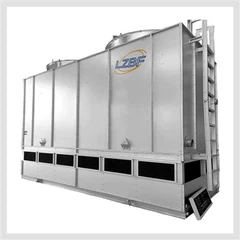
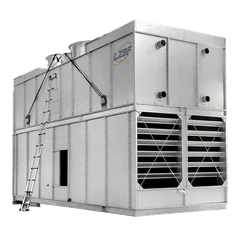
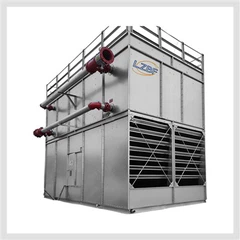
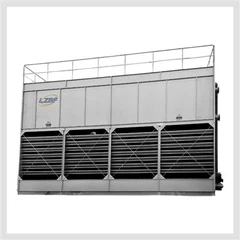
As a supplier of Closed Loop Cooling System, I've seen firsthand how the right coolant can make a big difference in the performance and longevity of a cooling system. That's why we offer a range of closed loop cooling solutions, including Closed Loop Cooling Tower System and Indirect Direct Evaporative Cooling Unit.
If you're in the market for a closed loop cooling system or need advice on choosing the right coolant, don't hesitate to reach out. We're here to help you find the best solution for your specific needs. Whether you're running a small business or a large industrial operation, we can provide the expertise and products to keep your equipment cool and running smoothly. So, let's start a conversation and see how we can work together to optimize your cooling system.
References
- ASHRAE Handbook of Refrigeration
- Chemical Engineering Progress Magazine
- Cooling Technology Institute Publications
Send Inquiry