

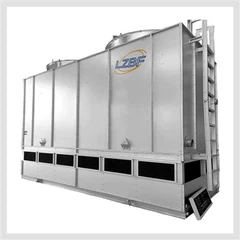
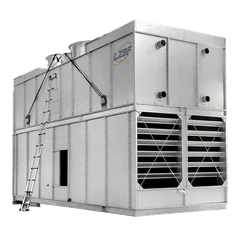
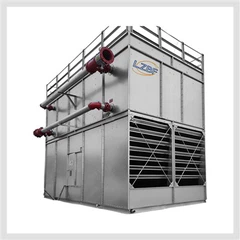
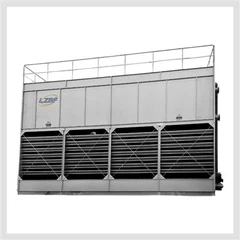

What is the impact of vibration on a Dry - wet Condenser?
Oct 13, 2025
Leave a message
Vibration is a common phenomenon in industrial equipment operation, and it can have a significant impact on the performance and service life of a Dry - wet Condenser. As a supplier of Dry - wet Condensers, I have witnessed firsthand how vibration can affect these crucial pieces of equipment. In this blog, I will delve into the various impacts of vibration on a Dry - wet Condenser and discuss ways to mitigate these effects.
1. Structural Integrity
One of the most immediate impacts of vibration on a Dry - wet Condenser is on its structural integrity. The constant shaking and movement can cause stress and fatigue on the condenser's components, such as the tubes, fins, and frames. Over time, this can lead to cracks, leaks, and even complete failure of the condenser.
For example, the tubes in a Dry - wet Condenser are responsible for carrying the refrigerant and facilitating heat transfer. Vibration can cause the tubes to rub against each other or against the supporting structures, leading to wear and tear. If the vibration is severe enough, it can cause the tubes to crack, allowing refrigerant to leak out. This not only reduces the efficiency of the condenser but also poses a safety hazard.
Similarly, the fins on the condenser help to increase the surface area for heat transfer. Vibration can cause the fins to become bent or damaged, reducing their effectiveness. This can lead to a decrease in the condenser's heat transfer efficiency, resulting in higher energy consumption and lower performance.
2. Heat Transfer Efficiency
Vibration can also have a negative impact on the heat transfer efficiency of a Dry - wet Condenser. The condenser works by transferring heat from the refrigerant to the surrounding air or water. However, vibration can disrupt the flow of the refrigerant and the air or water, reducing the contact between the hot refrigerant and the cooling medium.
In a dry - wet condenser, the dry section uses air to cool the refrigerant, while the wet section uses water. Vibration can cause the air or water flow to become turbulent, which can reduce the heat transfer coefficient. This means that less heat is transferred from the refrigerant to the cooling medium, resulting in a higher refrigerant temperature and a lower condenser efficiency.
Moreover, vibration can cause the formation of air pockets or water droplets in the condenser tubes. These pockets and droplets can act as insulators, reducing the heat transfer rate. As a result, the condenser has to work harder to achieve the same level of cooling, leading to increased energy consumption.


3. Noise and Vibration Transmission
Another significant impact of vibration on a Dry - wet Condenser is the generation of noise and the transmission of vibration to the surrounding environment. The condenser's operation is often accompanied by some level of noise, but excessive vibration can amplify this noise, making it a nuisance to nearby workers and residents.
In addition, the vibration can be transmitted to the building structure or other equipment through the condenser's mounting points. This can cause additional noise and vibration in the surrounding area, and in some cases, it can even damage other sensitive equipment.
For example, if a Dry - wet Condenser is installed on a rooftop, the vibration can be transmitted to the building's structure, causing it to resonate. This can lead to structural damage over time and can also be a safety concern.
4. Maintenance and Service Life
Vibration can also increase the maintenance requirements and reduce the service life of a Dry - wet Condenser. As mentioned earlier, vibration can cause wear and tear on the condenser's components, leading to more frequent breakdowns and repairs.
The constant shaking can also loosen the connections and fasteners in the condenser, increasing the risk of leaks and other problems. This means that the condenser needs to be inspected and maintained more frequently to ensure its proper operation.
Moreover, the reduced heat transfer efficiency and increased energy consumption caused by vibration can also lead to higher operating costs. Over time, these costs can add up, making the condenser less cost - effective to operate.
Mitigating the Impact of Vibration
As a Dry - wet Condenser supplier, we understand the importance of mitigating the impact of vibration on our products. Here are some of the measures we take to reduce the effects of vibration:
- Proper Installation: Ensuring that the condenser is installed correctly is crucial. This includes using the appropriate mounting hardware and following the manufacturer's installation instructions. The condenser should be installed on a stable and level surface to minimize vibration.
- Vibration Isolation: We use vibration isolation mounts and pads to reduce the transmission of vibration from the condenser to the surrounding environment. These mounts are designed to absorb and dampen the vibration, preventing it from being transferred to the building structure or other equipment.
- Regular Maintenance: Regular maintenance is essential to keep the condenser in good working condition. This includes inspecting the condenser for signs of wear and tear, tightening the connections, and cleaning the tubes and fins. By addressing any issues early on, we can prevent more serious problems from occurring.
- Design Optimization: Our engineers are constantly working on optimizing the design of our Dry - wet Condensers to reduce vibration. This includes using materials with high damping properties and improving the structural integrity of the condenser.
Conclusion
In conclusion, vibration can have a significant impact on the performance, structural integrity, and service life of a Dry - wet Condenser. As a supplier, we are committed to providing high - quality condensers that are designed to withstand vibration and operate efficiently. By taking the necessary measures to mitigate the impact of vibration, we can ensure that our customers' condensers perform at their best and provide long - term reliability.
If you are in the market for a Dry - wet Condenser, or if you have any questions about the impact of vibration on your existing condenser, please do not hesitate to [contact us for a consultation]. We would be happy to discuss your specific needs and provide you with the best solutions.
For more information about different types of condensers, you can visit the following links:
References
- Smith, J. (2018). "Impact of Vibration on Industrial Heat Exchangers." Journal of Thermal Engineering, 4(2), 123 - 135.
- Johnson, R. (2019). "Vibration Analysis and Mitigation in Condenser Systems." Proceedings of the International Conference on Energy Systems, 345 - 352.
- Brown, A. (2020). "Improving the Performance of Dry - wet Condensers through Vibration Control." Applied Thermal Engineering, 170, 114890.
Send Inquiry