


How to evaluate the performance guarantee of a cross - flow closed cooling tower?
Oct 13, 2025
Leave a message
Evaluating the performance guarantee of a cross - flow closed cooling tower is a critical task for both suppliers and customers. As a supplier of cross - flow closed cooling towers, I understand the importance of providing accurate performance guarantees and the need for customers to evaluate them effectively. In this blog, I will share some key aspects and methods to evaluate the performance guarantee of a cross - flow closed cooling tower.
1. Understanding the Basics of Cross - Flow Closed Cooling Towers
Before delving into the evaluation of performance guarantees, it is essential to have a clear understanding of cross - flow closed cooling towers. These cooling towers operate on the principle of transferring heat from a hot fluid (usually water) to the surrounding air. In a cross - flow design, the air flows horizontally across the direction of the falling water. The closed - circuit feature means that the process fluid (such as water used in industrial processes) is contained within a coil, preventing it from coming into direct contact with the ambient air and contaminants.
This design offers several advantages, including reduced water loss, protection against environmental contaminants, and more stable operation. However, to ensure that these benefits are realized, the cooling tower must perform as promised.
2. Key Performance Indicators (KPIs)
Cooling Capacity
One of the most important performance indicators is the cooling capacity. It refers to the amount of heat that the cooling tower can remove from the process fluid within a given time. The cooling capacity is typically measured in kilowatts (kW) or British thermal units per hour (BTU/h). When evaluating the performance guarantee, customers should check if the promised cooling capacity meets their actual requirements. For example, if an industrial process generates a large amount of heat, a cooling tower with a higher cooling capacity will be needed.
Approach Temperature
The approach temperature is the difference between the temperature of the cooled water leaving the cooling tower and the wet - bulb temperature of the ambient air. A lower approach temperature indicates better cooling performance. A good cross - flow closed cooling tower should be able to achieve a relatively low approach temperature under normal operating conditions. When evaluating the performance guarantee, compare the promised approach temperature with industry standards and the specific needs of your application.
Range
The range is the difference between the temperature of the hot water entering the cooling tower and the temperature of the cooled water leaving it. A larger range means that the cooling tower is more efficient at removing heat. Suppliers usually specify the expected range in their performance guarantees. Customers should ensure that the promised range is sufficient for their processes.
Water Loss
Water loss is another crucial factor. In a closed - circuit cooling tower, water loss is mainly due to evaporation and drift. Evaporation is an inevitable part of the cooling process, but excessive water loss can lead to increased operating costs. Drift refers to the small droplets of water that are carried out of the cooling tower by the air. A well - designed cooling tower should have a low water loss rate. When evaluating the performance guarantee, look for the promised water loss rate and compare it with industry benchmarks.
3. Testing and Verification
Factory Testing
Reputable suppliers usually conduct factory tests on their cross - flow closed cooling towers. These tests are designed to simulate real - world operating conditions and verify that the cooling tower meets the specified performance criteria. During factory testing, various parameters such as cooling capacity, approach temperature, and water loss are measured. Customers should ask for the test reports and ensure that the results are consistent with the performance guarantee.
On - Site Testing
In addition to factory testing, on - site testing is also necessary. Once the cooling tower is installed at the customer's site, it should be tested under actual operating conditions. This allows for a more accurate assessment of its performance. On - site testing can identify any issues that may not have been apparent during factory testing, such as problems with the installation or the interaction with other components in the system.
4. Quality of Components
The performance of a cross - flow closed cooling tower is also closely related to the quality of its components. For example, the heat exchanger coil plays a crucial role in heat transfer. A high - quality coil with good corrosion resistance and heat transfer efficiency will contribute to better overall performance. The fans and pumps also need to be reliable and energy - efficient.


When evaluating the performance guarantee, consider the quality of the components used in the cooling tower. Reputable suppliers often use high - quality materials and components from well - known manufacturers. Ask about the brand and specifications of the components to ensure that they meet your expectations.
5. Warranty and After - Sales Service
A reliable performance guarantee should be backed by a good warranty and after - sales service. The warranty period indicates the supplier's confidence in the quality of their product. A longer warranty period usually means that the supplier is more willing to stand behind their performance guarantee.
After - sales service is also essential. In case of any problems or performance issues, the supplier should be able to provide timely support and maintenance. Look for suppliers who offer comprehensive after - sales service, including technical support, spare parts availability, and on - site maintenance.
6. Comparing with Competitors
When evaluating the performance guarantee of a cross - flow closed cooling tower, it is also a good idea to compare different suppliers. Look at the performance guarantees offered by various manufacturers and compare their KPIs, testing methods, component quality, and after - sales service. This can help you make a more informed decision and choose the cooling tower that best meets your needs.
7. Our Company's Offerings
As a supplier of cross - flow closed cooling towers, we are committed to providing high - quality products with accurate performance guarantees. Our cooling towers are designed and manufactured using the latest technology and high - quality components. We conduct rigorous factory testing to ensure that each cooling tower meets our strict performance standards.
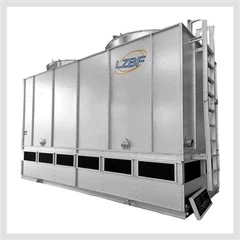
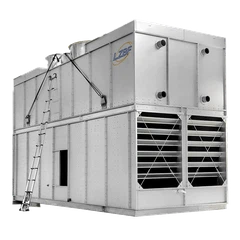
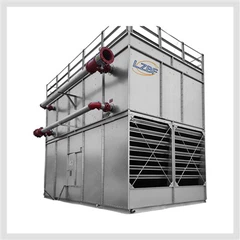
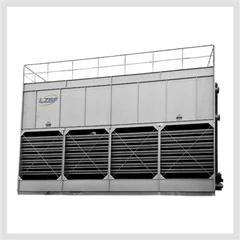
We offer a variety of cross - flow closed cooling tower models, including the Blower Closed Circuit Cooling Tower and the Split - type Dry - wet Closed Cooling Tower. These models are suitable for different applications and can provide excellent cooling performance.
In addition, we also provide a comprehensive Closed Circuit Cooling System that includes all the necessary components for a complete cooling solution. Our system is designed to be energy - efficient, reliable, and easy to maintain.
If you are interested in our cross - flow closed cooling towers or need more information about evaluating their performance guarantee, please feel free to contact us. We are ready to assist you in making the right choice for your cooling needs.
References
- ASHRAE Handbook - HVAC Systems and Equipment. American Society of Heating, Refrigerating and Air - Conditioning Engineers.
- Cooling Tower Institute (CTI) Standards. Cooling Tower Institute.
- Industrial Cooling Tower Design and Operation Manual. Various industry sources.
Send Inquiry