


What is the humidity control in a Composite Closed Cooling Tower?
Sep 23, 2025
Leave a message
Hey there! As a supplier of Composite Closed Cooling Towers, I've been getting a lot of questions lately about humidity control in these systems. So, I thought I'd take a moment to break it down for you and explain what it's all about.


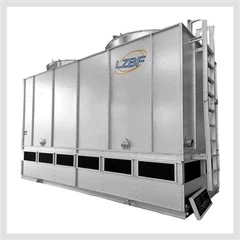
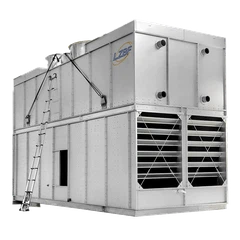
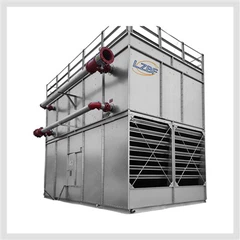
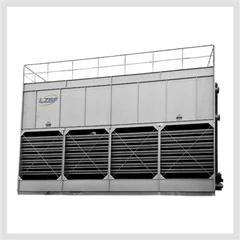
First off, let's talk about what a Composite Closed Cooling Tower is. It's a type of cooling system that uses a combination of air and water to remove heat from a process or equipment. The tower has a closed-loop design, which means that the water used for cooling doesn't come into direct contact with the environment. Instead, it circulates through a series of tubes or coils, where it transfers heat to the air passing over them.
Now, humidity control is an important aspect of operating a Composite Closed Cooling Tower. Humidity refers to the amount of water vapor present in the air. In a cooling tower, the humidity of the air can have a significant impact on the tower's performance and efficiency.
One of the main reasons why humidity control is important is because it affects the cooling capacity of the tower. When the air is humid, it contains more water vapor, which makes it more difficult for the water in the tower to evaporate. Evaporation is a key process in cooling towers, as it helps to remove heat from the water. So, if the air is too humid, the evaporation rate will be lower, and the tower won't be able to cool the water as effectively.
On the other hand, if the air is too dry, it can cause problems as well. Dry air can lead to excessive evaporation, which can result in water loss and increased energy consumption. It can also cause scaling and corrosion in the tower, which can reduce its lifespan and performance.
So, how do we control the humidity in a Composite Closed Cooling Tower? There are a few different methods that can be used, depending on the specific needs of the system.
One common method is to use a dehumidifier. A dehumidifier is a device that removes moisture from the air. It works by cooling the air below its dew point, which causes the water vapor to condense into liquid water. The condensed water is then collected and drained away, leaving the air drier.
Another method is to use a humidifier. A humidifier is a device that adds moisture to the air. It works by spraying water into the air or by using a wicking material to evaporate water. Humidifiers are typically used in dry climates or in situations where the air is too dry for the cooling tower to operate efficiently.
In addition to using dehumidifiers and humidifiers, there are other ways to control the humidity in a Composite Closed Cooling Tower. For example, the tower can be designed with a proper ventilation system to ensure that the air is circulated properly. This can help to prevent the buildup of humidity in the tower and ensure that the air is at the right humidity level for optimal performance.
Another important factor to consider is the location of the cooling tower. The tower should be located in an area with good air circulation and away from sources of moisture, such as ponds or lakes. This can help to prevent the air from becoming too humid and ensure that the tower operates efficiently.
Now, let's take a look at some of the benefits of humidity control in a Composite Closed Cooling Tower.
One of the main benefits is improved energy efficiency. By controlling the humidity in the tower, we can ensure that the evaporation rate is optimized, which means that the tower uses less energy to cool the water. This can result in significant cost savings over time.
Another benefit is improved performance. When the humidity is controlled, the tower can operate at its optimal level, which means that it can cool the water more effectively and efficiently. This can help to improve the overall performance of the process or equipment that the tower is cooling.
In addition to improved energy efficiency and performance, humidity control can also help to extend the lifespan of the cooling tower. By preventing scaling and corrosion, we can ensure that the tower lasts longer and requires less maintenance. This can result in further cost savings over time.
So, if you're in the market for a Composite Closed Cooling Tower, it's important to consider the humidity control features of the system. Look for a tower that has a built-in dehumidifier or humidifier, or that can be easily integrated with these devices. Also, make sure that the tower is designed with a proper ventilation system and is located in an area with good air circulation.
At our company, we offer a range of Composite Closed Cooling Towers that are designed with humidity control in mind. Our towers are equipped with advanced dehumidifiers and humidifiers, as well as a state-of-the-art ventilation system, to ensure that the humidity is controlled at all times. We also offer a variety of customization options, so you can choose the tower that best meets your specific needs and requirements.
If you're interested in learning more about our Composite Closed Cooling Towers or have any questions about humidity control, please don't hesitate to contact us. We'd be happy to answer your questions and help you find the right cooling solution for your business.
In conclusion, humidity control is an important aspect of operating a Composite Closed Cooling Tower. By controlling the humidity, we can improve the energy efficiency, performance, and lifespan of the tower, which can result in significant cost savings over time. So, if you're in the market for a cooling tower, make sure to consider the humidity control features of the system. And if you have any questions or need more information, don't hesitate to contact us. We're here to help you find the right cooling solution for your business.
Here are some useful resources if you want to explore more about different types of cooling towers:
- A Closed Circuit Cooling Tower
- Industrial Closed Circuit Cross Flow Cooler
- Split-type Dry-wet Closed Cooling Tower
If you're considering purchasing a Composite Closed Cooling Tower and want to discuss your specific requirements, feel free to reach out. We're eager to assist you in making the best choice for your cooling needs.
References:
- Cooling Tower Handbook, various industry publications
- Technical manuals from leading cooling tower manufacturers
Send Inquiry