


What are the quality standards for a closed loop cooling system?
Sep 22, 2025
Leave a message
In the realm of industrial and commercial operations, closed loop cooling systems have emerged as a crucial component for maintaining optimal temperatures in various equipment and processes. As a leading supplier of Closed Loop Cooling Systems, we understand the significance of adhering to high - quality standards. These standards not only ensure the efficient and reliable operation of the cooling systems but also contribute to long - term cost savings and environmental sustainability.
Thermal Performance
One of the primary quality standards for a closed loop cooling system is its thermal performance. The system should be capable of effectively removing heat from the process fluid and transferring it to the surrounding environment. This is typically measured in terms of the cooling capacity, which is the amount of heat the system can remove per unit of time.
The cooling capacity is influenced by several factors, including the design of the heat exchanger, the flow rate of the process fluid, and the temperature difference between the inlet and outlet of the cooling system. A high - quality closed loop cooling system will have a well - designed heat exchanger that maximizes the surface area for heat transfer. For example, shell - and - tube heat exchangers are commonly used in closed loop cooling systems due to their high efficiency and reliability.
Another important aspect of thermal performance is the ability of the system to maintain a consistent temperature. Fluctuations in temperature can have a negative impact on the performance of the equipment being cooled. A quality closed loop cooling system should be equipped with advanced control systems that can precisely regulate the flow rate and temperature of the cooling fluid to ensure stable operation.
Energy Efficiency
Energy efficiency is a critical quality standard for closed loop cooling systems. In today's energy - conscious world, reducing energy consumption is not only beneficial for the environment but also for the bottom line of businesses. A high - efficiency closed loop cooling system can significantly reduce energy costs over its lifespan.
One way to improve energy efficiency is through the use of variable speed drives (VSDs). VSDs allow the fans and pumps in the cooling system to adjust their speed based on the actual cooling demand. This means that the system consumes less energy when the cooling load is low and ramps up when more cooling is required.
Additionally, the design of the cooling system can also impact energy efficiency. For instance, Indirect Air Cooler systems use ambient air to cool the process fluid, which can be more energy - efficient than traditional water - cooled systems in certain applications. These systems work by transferring heat from the process fluid to a secondary fluid, which is then cooled by the ambient air.
Water Management
Water is a precious resource, and proper water management is an essential quality standard for closed loop cooling systems. Closed loop cooling systems typically use water as the cooling medium, and it is important to minimize water consumption and waste.
One way to achieve this is through the use of Indirect Direct Evaporative Cooling Unit technology. These units use a combination of indirect and direct evaporative cooling to cool the process fluid. The indirect evaporative cooling stage pre - cools the air before it enters the direct evaporative cooling stage, which reduces the amount of water required for evaporation.
Another important aspect of water management is the prevention of water contamination. Closed loop cooling systems should be designed to prevent the ingress of dirt, debris, and other contaminants into the water. This can be achieved through the use of filters and other water treatment devices. Regular maintenance and monitoring of the water quality are also necessary to ensure the long - term performance of the system.


Reliability and Durability
Reliability and durability are key quality standards for closed loop cooling systems. Industrial and commercial operations rely on these systems to keep their equipment running smoothly, and any downtime can result in significant losses.
A high - quality closed loop cooling system should be built with robust components that can withstand the harsh operating conditions. The materials used in the construction of the system, such as the heat exchanger, pipes, and pumps, should be corrosion - resistant and have a long service life.
Regular maintenance is also crucial for ensuring the reliability and durability of the system. A comprehensive maintenance program should include inspections, cleaning, and replacement of worn - out parts. Additionally, the system should be equipped with alarms and monitoring devices that can detect potential problems early and alert the operators.
Environmental Impact
In recent years, there has been an increasing focus on the environmental impact of industrial systems. Closed loop cooling systems can have a significant impact on the environment, and it is important to design and operate them in an environmentally friendly manner.
One of the main environmental concerns associated with closed loop cooling systems is the emission of greenhouse gases. Energy - efficient systems can help reduce these emissions by consuming less electricity. Additionally, the use of natural refrigerants or alternative cooling technologies can further minimize the environmental impact.
Another aspect of environmental impact is the disposal of waste materials. Closed loop cooling systems should be designed in a way that allows for easy disassembly and recycling of components at the end of their life cycle.
Safety
Safety is a non - negotiable quality standard for closed loop cooling systems. These systems often operate under high pressures and temperatures, and there is a risk of leaks, explosions, and other hazards.
A quality closed loop cooling system should be equipped with safety features such as pressure relief valves, temperature sensors, and emergency shutdown systems. These features can help prevent accidents and protect the operators and the surrounding environment.
Proper installation and maintenance are also essential for ensuring safety. The system should be installed by qualified technicians who follow all the relevant safety codes and regulations. Regular safety inspections should be conducted to identify and address any potential safety issues.
Compatibility and Customization
Closed loop cooling systems need to be compatible with the specific requirements of the equipment and processes they are cooling. Different industries and applications have different cooling needs, and a one - size - fits - all approach is often not sufficient.
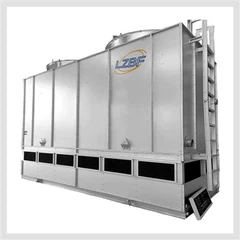
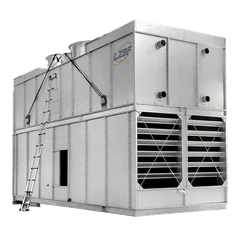
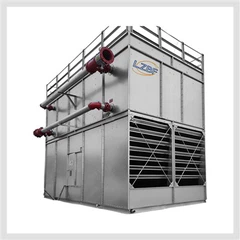
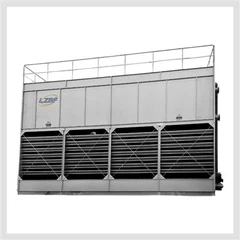
As a supplier, we understand the importance of customization. We offer a range of Closed Circuit Evaporative Cooling Tower options that can be tailored to meet the unique needs of our customers. Whether it is a small - scale industrial application or a large - scale commercial project, we can design and manufacture a closed loop cooling system that is optimized for performance and efficiency.
Conclusion
In conclusion, the quality standards for a closed loop cooling system encompass a wide range of factors, including thermal performance, energy efficiency, water management, reliability, durability, environmental impact, safety, and compatibility. As a leading supplier of Closed Loop Cooling Systems, we are committed to meeting and exceeding these standards to provide our customers with the best - in - class cooling solutions.
If you are in the market for a high - quality closed loop cooling system, we invite you to contact us for a detailed consultation. Our team of experts will work closely with you to understand your specific requirements and recommend the most suitable solution for your needs. Let us help you achieve optimal cooling performance and energy savings for your operations.
References
- ASHRAE Handbook - HVAC Systems and Equipment.
- Cooling Technology Institute (CTI) Standards.
- International Organization for Standardization (ISO) standards related to cooling systems.
Send Inquiry