


What is the fill material in a cross - flow closed cooling tower?
Nov 25, 2025
Leave a message
In the realm of industrial cooling solutions, cross - flow closed cooling towers play a crucial role. These towers are widely used in various industries such as power generation, manufacturing, and HVAC systems to dissipate heat efficiently. One of the key components of a cross - flow closed cooling tower is the fill material. In this blog, as a cross - flow closed cooling tower supplier, I will delve into what the fill material in a cross - flow closed cooling tower is, its functions, types, and selection criteria.
What is the Fill Material in a Cross - Flow Closed Cooling Tower?
The fill material in a cross - flow closed cooling tower is a structured or random packing media installed inside the tower. Its primary purpose is to increase the contact area between the hot water being cooled and the air passing through the tower. This enhanced contact area promotes efficient heat transfer and mass transfer processes, which are essential for the cooling tower to function effectively.
Functions of the Fill Material
- Heat Transfer Enhancement: By providing a large surface area, the fill material allows for more efficient heat exchange between the hot water and the ambient air. As the hot water is distributed over the fill, it forms a thin film, increasing the contact time and surface area available for heat transfer. This enables the water to release heat to the air more effectively, resulting in a lower outlet water temperature.
- Mass Transfer Facilitation: In addition to heat transfer, the fill material also facilitates mass transfer. As the hot water evaporates on the surface of the fill, it releases latent heat, which further cools the remaining water. The fill material helps to maintain a large surface area for evaporation, enhancing the mass transfer process and improving the overall cooling efficiency of the tower.
- Water Distribution: The fill material helps to distribute the water evenly across the cross - section of the cooling tower. This ensures that all parts of the tower are utilized effectively for heat and mass transfer, preventing hot spots and improving the overall performance of the cooling tower.
Types of Fill Material
- Film Fill: Film fill is one of the most commonly used fill materials in cross - flow closed cooling towers. It consists of thin, corrugated sheets that are arranged in a parallel or staggered pattern. The corrugations create a large surface area for water film formation, promoting efficient heat and mass transfer. Film fill is known for its high cooling efficiency, low pressure drop, and good resistance to fouling. It is suitable for applications where high - efficiency cooling is required, such as in power plants and large - scale industrial processes.
- Splash Fill: Splash fill is another type of fill material that is widely used in cooling towers. It is made up of a series of horizontal or vertical bars or grids that break up the water into droplets as it falls through the fill. The droplets have a larger surface area compared to a continuous water film, which also promotes heat and mass transfer. Splash fill is relatively inexpensive and easy to install, making it a popular choice for small - to medium - sized cooling towers. However, it generally has a lower cooling efficiency and a higher pressure drop compared to film fill.
- Hybrid Fill: Hybrid fill combines the advantages of both film fill and splash fill. It typically consists of a combination of film - type and splash - type elements, designed to provide a balance between high cooling efficiency and low pressure drop. Hybrid fill is suitable for applications where a compromise between performance and cost is required.
Selection Criteria for Fill Material
When selecting the fill material for a cross - flow closed cooling tower, several factors need to be considered:
- Cooling Efficiency: The primary goal of a cooling tower is to cool the water effectively. Therefore, the fill material should have a high cooling efficiency to ensure that the desired outlet water temperature can be achieved. Film fill generally offers higher cooling efficiency compared to splash fill, but the specific requirements of the application need to be taken into account.
- Pressure Drop: The pressure drop across the fill material affects the energy consumption of the cooling tower. A lower pressure drop means less energy is required to move the air through the tower, resulting in lower operating costs. Film fill typically has a lower pressure drop compared to splash fill, but this also depends on the design and configuration of the fill.
- Fouling Resistance: Fouling can reduce the performance of the fill material over time. The fill material should have good resistance to fouling, such as scaling, algae growth, and debris accumulation. Film fill is generally more resistant to fouling compared to splash fill, as the smooth surface of the film reduces the likelihood of debris and scale adhesion.
- Cost: The cost of the fill material is an important consideration, especially for large - scale projects. Splash fill is generally less expensive than film fill, but the long - term operating costs and performance benefits need to be evaluated to determine the most cost - effective option.
- Compatibility with Water Quality: The fill material should be compatible with the quality of the water being cooled. Some fill materials may be more susceptible to corrosion or degradation in the presence of certain chemicals or contaminants in the water. It is important to choose a fill material that can withstand the specific water quality conditions of the application.
Our Product Offerings
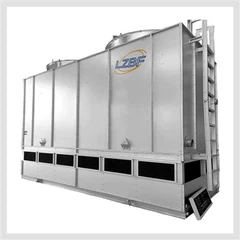
As a cross - flow closed cooling tower supplier, we offer a wide range of cooling towers with different fill materials to meet the diverse needs of our customers. Our 100 Ton Closed Circuit Cooling Tower is a popular choice for small - to medium - sized industrial applications. It is equipped with high - efficiency film fill, providing excellent cooling performance and low operating costs.
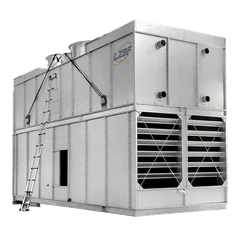
For more demanding applications, our 500 Ton Closed Circuit Cooling Tower is designed to handle large volumes of hot water. It features a hybrid fill system that combines the advantages of film fill and splash fill, ensuring optimal cooling efficiency and reliability.
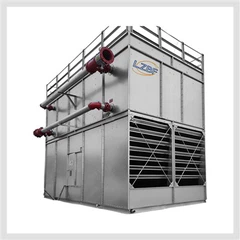
In addition, we also offer Closed Cell Cooling Tower options, which are ideal for applications where water conservation and environmental protection are important. These towers use a closed - loop system to minimize water loss and reduce the risk of contamination.


Conclusion
The fill material in a cross - flow closed cooling tower is a critical component that significantly affects the tower's performance and efficiency. By understanding the different types of fill materials available, their functions, and the selection criteria, customers can make informed decisions when choosing a cooling tower for their specific applications. As a cross - flow closed cooling tower supplier, we are committed to providing high - quality cooling solutions with the right fill material to meet the unique needs of our customers. If you are interested in our products or have any questions about fill materials in cooling towers, please feel free to contact us for further discussion and procurement negotiation.
References
- "Cooling Tower Fundamentals" by the Cooling Technology Institute.
- "Industrial Heat Transfer" by Donald Q. Kern.
- "Handbook of Industrial Water Conditioning" by BetzDearborn.
Send Inquiry