


What are the materials used in the construction of an evaporative type of condenser?
Nov 25, 2025
Leave a message
Hey there! As a supplier of Evaporative Type Of Condensers, I'm super stoked to chat with you about the materials used in building these nifty devices. Evaporative condensers are pretty awesome because they use the power of evaporation to cool and condense refrigerant vapor, making them energy - efficient and a popular choice in many industrial and commercial settings.
Let's start with the heat exchanger tubes. These are the heart of the evaporative condenser. The most commonly used material for these tubes is copper. Copper is a rock - star material in this context. It has excellent thermal conductivity, which means it can transfer heat from the refrigerant inside the tubes to the outside environment really quickly. This is crucial for the efficient operation of the condenser. When the hot refrigerant flows through the copper tubes, the heat is rapidly conducted through the tube walls and into the water film that's flowing over the outside of the tubes.
Another great thing about copper is its corrosion resistance. In an evaporative condenser, the tubes are constantly exposed to water, and sometimes the water might have some impurities or chemicals in it. Copper can withstand this exposure without corroding easily, which extends the lifespan of the condenser. However, copper can be a bit pricey, so in some cases, manufacturers might use aluminum tubes instead. Aluminum is lighter and cheaper than copper. It also has good thermal conductivity, although not as good as copper. But for applications where cost is a major concern and the performance requirements aren't super high, aluminum tubes can be a great alternative.
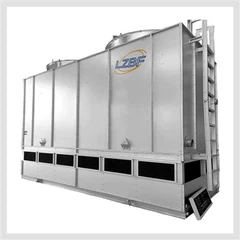
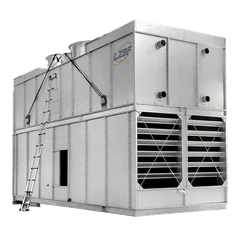
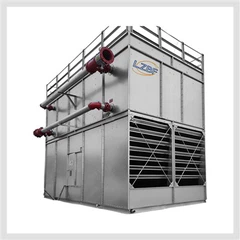
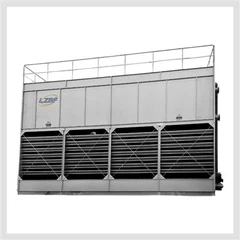
Now, let's talk about the casing or the shell of the evaporative condenser. The casing is what holds all the components together and protects them from the outside environment. A common material for the casing is galvanized steel. Galvanized steel is regular steel that has been coated with a layer of zinc. This zinc coating acts as a sacrificial anode, which means it corrodes first before the steel underneath does. This gives the casing a good level of corrosion resistance, especially in outdoor environments where it might be exposed to rain, humidity, and other elements.
Stainless steel is another option for the casing. Stainless steel is even more corrosion - resistant than galvanized steel. It has a chromium oxide layer on its surface that prevents rusting and corrosion. This makes it a great choice for applications where the condenser will be used in harsh environments, such as in chemical plants or near the ocean where the air is salty. However, stainless steel is more expensive than galvanized steel, so it's usually used in high - end or specialized applications.
The fill material in an evaporative condenser is also really important. The fill is the part where the water spreads out to increase the surface area for evaporation. One of the most popular fill materials is PVC (polyvinyl chloride). PVC is lightweight, durable, and easy to install. It has a large surface area, which allows for efficient evaporation of the water. When the water flows over the PVC fill, it forms a thin film, and as air passes through the fill, the water evaporates, taking heat away from the refrigerant in the tubes.


Another fill material that's sometimes used is wood. Wood has been used in evaporative condensers for a long time. It has good wicking properties, which means it can spread the water evenly over its surface. However, wood requires more maintenance than PVC. It can rot if it's constantly wet and not properly treated, and it might also attract insects. So, while wood was more common in the past, PVC has become the preferred choice in many modern evaporative condensers.
The fan blades in an evaporative condenser are typically made of either fiberglass or plastic. Fiberglass fan blades are strong and durable. They can withstand high - speed rotation and the forces generated by the air flow. They're also resistant to corrosion, which is important because they're often exposed to the moist environment inside the condenser. Plastic fan blades, on the other hand, are lighter and cheaper. They're easy to manufacture and can be molded into different shapes. However, they might not be as strong as fiberglass blades and might wear out faster, especially in high - stress applications.
The water distribution system in an evaporative condenser is also a key component. The pipes and nozzles in this system are usually made of PVC or CPVC (chlorinated polyvinyl chloride). These materials are resistant to corrosion from the water and any chemicals that might be added to the water for treatment. They're also easy to install and can be easily modified if needed.
When it comes to the pumps used in the evaporative condenser to circulate the water, the pump housings are often made of cast iron or stainless steel. Cast iron is strong and can handle the pressure generated by the pump. It's also relatively inexpensive. Stainless steel pump housings, as mentioned before, are more corrosion - resistant and are used in applications where the water has a high level of impurities or chemicals.
Now, if you're in the market for an Evaporative Type Of Condenser, you might also be interested in Condensadores Evaporativo or Indirect Evaporative Condenser. Each type has its own unique features and benefits, and the choice of materials can vary depending on the specific requirements of your application.
Whether you're running a small business or a large industrial facility, having the right evaporative condenser can make a big difference in your energy costs and overall system performance. If you're looking to upgrade your current system or install a new one, I'd love to have a chat with you. We can discuss your specific needs and figure out the best materials and configuration for your evaporative condenser. So, don't hesitate to reach out if you're interested in learning more or starting the procurement process.
References
- ASHRAE Handbook - HVAC Systems and Equipment. American Society of Heating, Refrigerating and Air - Conditioning Engineers.
- "Principles of Refrigeration" by R. C. Downing.
- Manufacturer's technical manuals for evaporative condensers.
Send Inquiry