


What is an Indirect Evaporative Cooler?
Aug 26, 2025
Leave a message
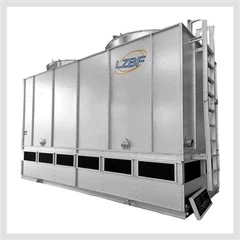
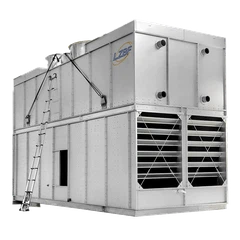
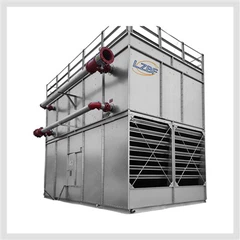
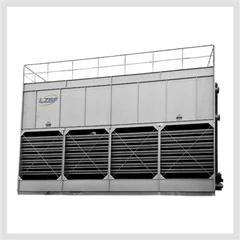
An indirect evaporative cooler (IEC) is a remarkable piece of technology that offers an energy - efficient and environmentally friendly solution for cooling spaces. As a supplier of indirect evaporative coolers, I am excited to delve into what an IEC is, how it works, its benefits, and its various applications.
How an Indirect Evaporative Cooler Works
At its core, an indirect evaporative cooler operates on the principle of evaporative cooling. However, unlike direct evaporative coolers that directly add moisture to the air being cooled, indirect evaporative coolers cool the air without increasing its humidity.
The basic components of an IEC include a heat exchanger, a water distribution system, and a ventilation system. The heat exchanger is the heart of the system. It has two separate air streams: the primary air stream and the secondary air stream.
The primary air stream is the air that will be supplied to the space to be cooled. This air passes through one side of the heat exchanger. The secondary air stream, on the other hand, is used to facilitate the cooling process. Water is sprayed or distributed over the other side of the heat exchanger where the secondary air stream flows. As the water evaporates, it absorbs heat from the heat exchanger. This, in turn, cools the primary air stream passing through the opposite side of the heat exchanger.
The ventilation system ensures the proper flow of both the primary and secondary air streams. Fans are used to draw in the outside air for both streams and to distribute the cooled primary air into the indoor space.
Advantages of Indirect Evaporative Coolers
One of the most significant advantages of indirect evaporative coolers is their energy efficiency. Compared to traditional vapor - compression air - conditioning systems, IECs consume far less electricity. This is because they rely on the natural process of evaporation to cool the air rather than using a compressor, which is a high - energy component in conventional air - conditioners.
Another advantage is their environmental friendliness. Since they do not use refrigerants with high global warming potential, such as hydrofluorocarbons (HFCs), indirect evaporative coolers have a much lower carbon footprint. They also use less water compared to some other cooling technologies when considering the amount of cooling achieved.
Indirect evaporative coolers are also suitable for a wide range of climates. While they are particularly effective in dry climates, modern designs can also perform well in more humid conditions. They can be used to pre - cool the air before it enters a traditional air - conditioning system, reducing the load on the compressor and further improving energy efficiency.
In addition, IECs can provide high - quality air. They can filter out dust and other particulate matter from the incoming air, improving indoor air quality. This is especially important in industrial and commercial settings where air quality can impact the health and productivity of workers.


Applications of Indirect Evaporative Coolers
Indirect evaporative coolers have a diverse range of applications. In commercial buildings such as offices, shopping malls, and restaurants, they can be used to provide comfortable indoor temperatures for employees and customers. By reducing energy costs, they can also contribute to the overall profitability of the business.
In industrial settings, IECs are used to cool manufacturing facilities, warehouses, and data centers. For example, in a data center, where maintaining a stable temperature is crucial for the proper functioning of servers, an indirect evaporative cooler can provide a cost - effective and reliable cooling solution.
They are also used in residential buildings. Homeowners can install IECs to cool their living spaces, especially in regions with hot and dry summers. In some cases, they can be integrated with existing HVAC systems to improve overall efficiency.
Comparison with Other Cooling Technologies
When compared to direct evaporative coolers, the main difference is the humidity control. Direct evaporative coolers add moisture to the air, which can be a drawback in humid climates or in applications where low humidity is required. Indirect evaporative coolers, on the other hand, can cool the air without significantly increasing its humidity.
In contrast to traditional vapor - compression air - conditioning systems, IECs have lower initial and operating costs. Vapor - compression systems are more complex and require more maintenance. They also consume more energy, especially in large - scale applications.
Our Offerings as an Indirect Evaporative Cooler Supplier
As a supplier of indirect evaporative coolers, we offer a wide range of products to meet different customer needs. Our coolers are designed with the latest technology to ensure maximum energy efficiency and performance.
We have models suitable for small residential spaces as well as large industrial and commercial buildings. Our products are made from high - quality materials to ensure durability and long - term reliability.
In addition to our standard models, we also offer customized solutions. We can work with customers to design and manufacture indirect evaporative coolers that are tailored to their specific requirements, such as unique space constraints or specific cooling capacity needs.
We also provide comprehensive after - sales service. Our team of experts can install, maintain, and repair our indirect evaporative coolers. We offer regular maintenance contracts to ensure that our customers' coolers are always operating at peak efficiency.
Related Products
If you are interested in other cooling technologies, we also have information on related products. For example, you can learn more about Evaporative Type Condenser, Evaporative Cooled Condenser, and Evaporative Type Of Condenser. These condensers can be used in conjunction with indirect evaporative coolers in some applications to further improve the overall cooling system performance.
Contact Us for Purchase and Consultation
If you are considering purchasing an indirect evaporative cooler for your home, office, or industrial facility, we encourage you to contact us. Our sales team is ready to answer your questions, provide detailed product information, and offer customized solutions based on your specific needs. Whether you are looking for a cost - effective cooling solution or want to improve the energy efficiency of your existing HVAC system, we can help. Reach out to us today to start the conversation about how an indirect evaporative cooler can benefit your space.
References
- ASHRAE Handbook of Heating, Ventilating, and Air - Conditioning Systems and Equipment.
- "Evaporative Cooling Technologies: Principles and Applications" by various authors in the Journal of Sustainable Energy and Buildings.
Send Inquiry