


What is an indirect cooler?
Sep 02, 2025
Leave a message
In the realm of industrial and commercial cooling solutions, the indirect cooler stands out as a remarkable innovation. As a leading supplier of indirect coolers, I am excited to delve into what an indirect cooler is, how it works, its benefits, and its various applications.
What is an Indirect Cooler?
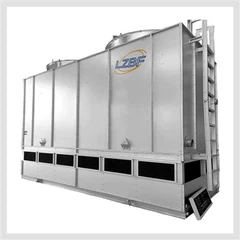
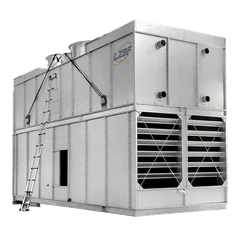
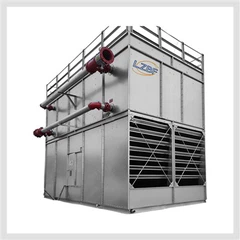
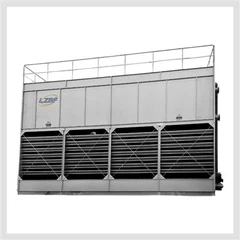
An indirect cooler, also known as an Indirect Cooler, is a sophisticated cooling device that operates on the principle of indirect evaporative cooling. Unlike direct evaporative coolers that directly mix water vapor with the air to be cooled, indirect coolers use a heat exchanger to transfer heat from the hot air to a cooling medium, typically water or a refrigerant, without direct contact between the air and the cooling medium.
This separation of the air and the cooling medium offers several advantages. Firstly, it allows the cooler to maintain the quality of the air being cooled. Since there is no direct addition of water vapor to the air, the humidity of the cooled air remains relatively stable. This is particularly important in applications where maintaining a specific humidity level is crucial, such as in data centers, pharmaceutical manufacturing, and some food processing facilities.
Secondly, indirect coolers are more efficient in terms of water usage compared to direct evaporative coolers. They use water primarily for the cooling process in the heat exchanger, and the amount of water lost to evaporation is significantly less. This makes them a more sustainable option, especially in regions where water is scarce.
How Does an Indirect Cooler Work?
The working principle of an indirect cooler can be understood by breaking it down into several key steps.
- Air Intake: The process begins with the intake of hot ambient air into the cooler. This air is drawn into the unit using a fan or a blower.
- Heat Exchange: Once inside the cooler, the hot air passes through a heat exchanger. On the other side of the heat exchanger, a cooling medium, such as water, is circulated. The heat from the hot air is transferred to the cooling medium through the walls of the heat exchanger. This causes the temperature of the air to decrease while the temperature of the cooling medium increases.
- Cooling of the Cooling Medium: The heated cooling medium is then directed to a cooling section, where it is cooled down. In many indirect coolers, this is achieved through evaporative cooling. Water is sprayed onto a cooling pad or a heat transfer surface, and as the water evaporates, it absorbs heat from the cooling medium, lowering its temperature.
- Recirculation: The cooled cooling medium is then recirculated back to the heat exchanger to continue the cooling process. The cooled air, on the other hand, is discharged from the cooler and into the space that needs to be cooled.
Types of Indirect Coolers
There are several types of indirect coolers available in the market, each with its own unique features and applications.
Indirect Evaporative Air Cooler
This type of indirect cooler uses evaporative cooling to cool the cooling medium. It is a popular choice for many industrial and commercial applications due to its high efficiency and relatively low operating cost. Indirect evaporative air coolers are often used in data centers, where they can provide effective cooling while maintaining a stable humidity level.
Closed Loop Water Cooling System
A closed loop water cooling system is another type of indirect cooler. In this system, water is circulated in a closed loop, and heat is transferred from the hot air to the water through a heat exchanger. The heated water is then cooled using a separate cooling mechanism, such as a cooling tower or a refrigeration system. Closed loop water cooling systems are commonly used in large industrial facilities, such as power plants and manufacturing plants, where high cooling capacities are required.


Benefits of Using an Indirect Cooler
There are numerous benefits to using an indirect cooler in industrial and commercial applications.
- Energy Efficiency: Indirect coolers are more energy-efficient compared to traditional air conditioning systems. They use less electricity to operate, especially when compared to vapor compression refrigeration systems. This can result in significant cost savings on energy bills over the long term.
- Environmental Sustainability: As mentioned earlier, indirect coolers are more sustainable in terms of water usage. They also produce fewer greenhouse gas emissions compared to some traditional cooling systems, making them a more environmentally friendly option.
- Improved Air Quality: Since indirect coolers do not add water vapor directly to the air, they can help maintain a stable humidity level and improve the overall air quality in the space being cooled. This is beneficial for both the comfort of the occupants and the protection of sensitive equipment.
- Flexibility and Scalability: Indirect coolers are available in a wide range of sizes and configurations, making them suitable for various applications. They can be easily customized to meet the specific cooling requirements of different facilities, and they can also be scaled up or down depending on the needs of the operation.
Applications of Indirect Coolers
Indirect coolers have a wide range of applications across various industries.
- Data Centers: Data centers generate a large amount of heat due to the continuous operation of servers and other electronic equipment. Indirect coolers are an ideal solution for cooling data centers as they can provide efficient cooling while maintaining a stable humidity level, which is crucial for the proper functioning of the equipment.
- Pharmaceutical Manufacturing: In the pharmaceutical industry, maintaining a specific temperature and humidity level is essential for the quality and safety of the products. Indirect coolers can help achieve these conditions, ensuring that the manufacturing process is carried out in a controlled environment.
- Food Processing: Many food processing facilities require precise temperature and humidity control to prevent spoilage and ensure the quality of the products. Indirect coolers can be used to provide the necessary cooling while maintaining the desired environmental conditions.
- Commercial Buildings: Indirect coolers can also be used in commercial buildings, such as offices, shopping malls, and hotels, to provide comfortable indoor temperatures for the occupants. They are a more energy-efficient and sustainable alternative to traditional air conditioning systems.
Why Choose Our Indirect Coolers?
As a leading supplier of indirect coolers, we offer a range of high-quality products that are designed to meet the diverse needs of our customers. Our indirect coolers are manufactured using the latest technology and the highest quality materials, ensuring reliable performance and long service life.
We also provide comprehensive after-sales support, including installation, maintenance, and repair services. Our team of experienced technicians is available to assist you with any questions or issues you may have, ensuring that your indirect cooler operates at its optimal level at all times.
In addition, we are committed to sustainability and environmental responsibility. Our indirect coolers are designed to be energy-efficient and water-saving, helping you reduce your carbon footprint and operating costs.
Contact Us for Your Cooling Needs
If you are interested in learning more about our indirect coolers or would like to discuss your specific cooling requirements, please do not hesitate to contact us. Our sales team is ready to provide you with detailed information and assist you in selecting the right cooler for your application.
Investing in an indirect cooler is a smart decision that can bring numerous benefits to your business. Not only will it help you save on energy costs and reduce your environmental impact, but it will also ensure the comfort and safety of your employees and the proper functioning of your equipment.
Let us work together to find the best cooling solution for your needs. Contact us today to start the conversation.
References
- ASHRAE Handbook of HVAC Systems and Equipment.
- Cooling Technology Institute (CTI) Standards.
- Energy Star Guidelines for Energy-Efficient Cooling Systems.
Send Inquiry