


What industries commonly use dry - wet coolers?
Dec 03, 2025
Leave a message
Hey there! As a supplier of dry - wet coolers, I've seen firsthand how these nifty pieces of equipment are used across various industries. In this blog, I'll walk you through the industries that commonly rely on dry - wet coolers and why they're so important.
Power Generation Industry
The power generation industry is one of the biggest users of dry - wet coolers. Whether it's a coal - fired, gas - fired, or nuclear power plant, maintaining the right temperature is crucial for efficient operation. In coal - fired power plants, dry - wet coolers help cool the steam that has passed through the turbines. This cooled steam can then be condensed back into water and reused in the boiler, saving a huge amount of water.
In nuclear power plants, safety is of utmost importance. Dry - wet coolers provide a reliable way to cool the reactor coolant systems. They can operate in different weather conditions, ensuring that the nuclear reactors stay at a safe temperature. For instance, during hot summer days when the ambient temperature is high, the wet mode of the dry - wet cooler can kick in to provide additional cooling capacity. And in milder weather, the dry mode can be used to conserve water.
Chemical Industry
The chemical industry involves a lot of chemical reactions that generate a significant amount of heat. Dry - wet coolers play a vital role in controlling the temperature of these reactions. They can cool the process fluids used in chemical manufacturing, such as solvents and reactants. This helps to maintain the quality of the chemical products and prevent unwanted side reactions.
For example, in the production of plastics, the polymerization process generates heat. If the temperature is not properly controlled, the plastic may have inconsistent properties. Dry - wet coolers can ensure that the reaction temperature remains within the optimal range, resulting in high - quality plastic products. Moreover, the chemical industry often operates around the clock, and dry - wet coolers are designed for continuous operation, providing reliable cooling 24/7.
HVAC (Heating, Ventilation, and Air Conditioning) Industry
In large commercial buildings, hotels, and hospitals, HVAC systems are essential for maintaining a comfortable indoor environment. Dry - wet coolers are used in these systems to reject the heat absorbed from the building. They can be more energy - efficient than traditional cooling towers, especially in regions with variable climate conditions.
During the winter or in cooler climates, the dry mode of the dry - wet cooler can be used to cool the refrigerant in the HVAC system. This reduces the need for water consumption and can save on operating costs. In warmer months, the wet mode can be activated to increase the cooling capacity. For hospitals, in particular, maintaining a stable temperature and humidity is crucial for patient comfort and the proper functioning of medical equipment. Dry - wet coolers can help achieve this by providing precise temperature control.
Food and Beverage Industry
The food and beverage industry has strict hygiene and temperature control requirements. Dry - wet coolers are used in various processes, such as brewing, dairy production, and food processing. In brewing, for example, the fermentation process generates heat, and dry - wet coolers are used to maintain the optimal temperature for yeast activity. This ensures the quality and flavor of the beer.
In dairy production, milk needs to be cooled quickly after milking to prevent the growth of bacteria. Dry - wet coolers can provide rapid cooling, helping to preserve the freshness of the milk. Additionally, the food and beverage industry often has to comply with strict environmental regulations. Dry - wet coolers can help meet these requirements by reducing water consumption and minimizing the risk of waterborne diseases.
Manufacturing Industry
Manufacturing processes like metalworking, plastic molding, and electronics manufacturing generate a lot of heat. Dry - wet coolers are used to cool the machinery and the products being manufactured. In metalworking, for example, cutting tools can get extremely hot during the machining process. Cooling these tools with a dry - wet cooler can extend their lifespan and improve the quality of the machined parts.
In electronics manufacturing, components such as microprocessors generate heat during operation. Overheating can lead to malfunctions and reduced product lifespan. Dry - wet coolers can provide efficient cooling to ensure the reliable performance of electronic devices. The ability of dry - wet coolers to operate in both dry and wet modes makes them suitable for different manufacturing environments and requirements.
Benefits of Our Dry - Wet Coolers
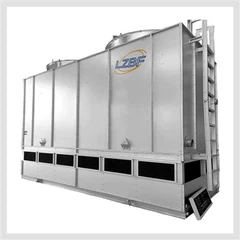
As a supplier of dry - wet coolers, we offer a range of products that come with several benefits. Our Cross-flow Closed Cooling Tower is designed for efficient heat transfer. It has a unique cross - flow design that allows for better air and water distribution, resulting in improved cooling performance.
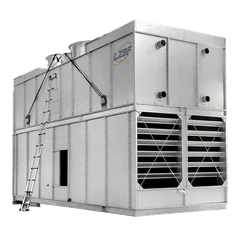
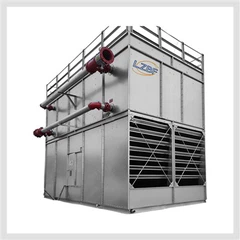
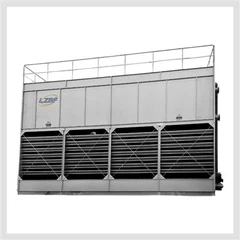
Our Closed Circuit Dry Cooler is ideal for applications where water conservation is a priority. It operates in dry mode, using only air to cool the fluid, which can significantly reduce water consumption. And our Closed Circuit Cooling Tower combines the advantages of both dry and wet cooling, providing flexibility and high - performance cooling in various conditions.
Why Choose Us?
We understand that every industry has its own specific requirements when it comes to cooling. That's why we offer customized solutions. Our team of experts can work with you to design a dry - wet cooler system that meets your exact needs. We also provide excellent after - sales service, including maintenance and repair.
If you're in one of the industries I've mentioned above or any other industry that needs reliable cooling, we'd love to hear from you. Whether you're looking to upgrade your existing cooling system or install a new one, we can help. Contact us today to start a conversation about your cooling needs, and let's work together to find the best dry - wet cooler solution for you.


References
- ASHRAE Handbook of HVAC Systems and Equipment
- Chemical Engineering Progress Journal
- Power Engineering Magazine
Send Inquiry