

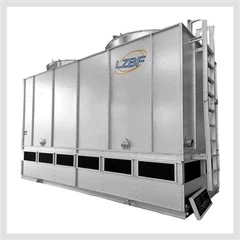
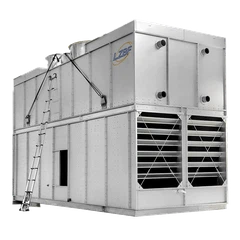
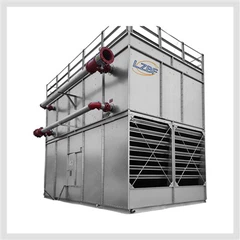
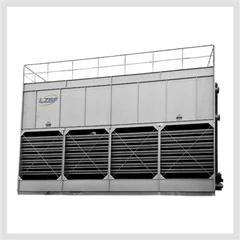

What are the requirements for using an Indirect Evaporative Cooler to cool electronic equipment?
Oct 29, 2025
Leave a message
What are the requirements for using an Indirect Evaporative Cooler to cool electronic equipment?
In the modern era, electronic equipment has become an integral part of our lives, from smartphones and laptops to large - scale data centers. With the increasing performance and miniaturization of these devices, heat dissipation has emerged as a critical issue. Indirect evaporative coolers offer an energy - efficient and environmentally friendly solution for cooling electronic equipment. As an Indirect Evaporative Cooler supplier, I'd like to share the requirements for using such coolers in this context.
1. Temperature and Humidity Requirements
The performance of an indirect evaporative cooler is highly dependent on the ambient temperature and humidity. Electronic equipment typically operates within a specific temperature range. For most consumer electronics, the ideal operating temperature is between 20°C and 30°C. Industrial and server - grade electronics can often tolerate slightly higher temperatures, but generally, they should not exceed 40°C to 50°C.
The cooler should be able to maintain the temperature of the electronic equipment within this acceptable range. In regions with high ambient temperatures, the cooler needs to have a high cooling capacity. For example, in desert areas where the temperature can soar above 40°C during the day, a more powerful indirect evaporative cooler is required.
Humidity also plays a crucial role. Indirect evaporative coolers work by evaporating water to cool the air. However, if the ambient humidity is too high, the evaporation process will be less effective. The relative humidity should ideally be below 60% for optimal performance. In high - humidity regions, additional dehumidification steps may be necessary before using the indirect evaporative cooler. This can be achieved through pre - treatment systems such as desiccant dehumidifiers.
2. Airflow and Ventilation Requirements
Proper airflow is essential for the effective cooling of electronic equipment using an indirect evaporative cooler. The cooler needs to be able to supply a sufficient volume of cool air to the equipment. The airflow rate is usually measured in cubic feet per minute (CFM) or cubic meters per hour (m³/h).
The layout of the electronic equipment and the cooling system should be designed to ensure uniform airflow distribution. Obstructions in the airflow path, such as cables, racks, or other equipment, should be minimized. In data centers, for example, the servers are often arranged in rows with proper spacing to allow for efficient airflow. The indirect evaporative cooler should be installed in a way that it can direct the cool air towards the heat - generating components of the electronic equipment.
Ventilation is also important for removing the warm, humid air generated during the cooling process. A well - designed ventilation system should be able to exhaust the stale air out of the equipment room or enclosure. This helps to maintain a stable environment and prevent the recirculation of warm air, which can reduce the cooling efficiency.
3. Water Quality Requirements
Since indirect evaporative coolers rely on water evaporation for cooling, the quality of the water used is of great importance. Impurities in the water, such as minerals, dirt, and microorganisms, can cause problems such as scaling, clogging, and corrosion in the cooler components.
The water should have a low mineral content to prevent scaling on the heat exchanger surfaces. Hard water, which contains high levels of calcium and magnesium ions, can lead to the formation of scale deposits over time. These deposits can reduce the heat transfer efficiency of the cooler and increase the energy consumption. Water softeners can be used to treat the water and reduce the mineral content.
Microorganisms in the water, such as bacteria and algae, can grow in the cooler's water reservoir and distribution system. This can not only cause unpleasant odors but also pose a health risk. Regular water treatment with disinfectants, such as chlorine or bromine, is necessary to control the growth of microorganisms.
4. Equipment Compatibility Requirements
The indirect evaporative cooler must be compatible with the electronic equipment it is intended to cool. Different types of electronic equipment have different heat dissipation characteristics. For example, high - performance graphics cards in gaming computers generate a large amount of heat in a relatively small area, while a network switch may have a more evenly distributed heat load.
The cooler should be able to adapt to the specific heat load requirements of the equipment. This may involve adjusting the cooling capacity, airflow rate, or temperature setpoint. In addition, the cooler should not interfere with the normal operation of the electronic equipment. It should not generate electromagnetic interference (EMI) or other electrical disturbances that could affect the performance of the equipment.
5. Maintenance and Monitoring Requirements
Regular maintenance is essential to ensure the long - term performance and reliability of the indirect evaporative cooler. The cooler components, such as the water pump, fan, and heat exchanger, need to be inspected and cleaned regularly. The water reservoir should be drained and refilled periodically to prevent the accumulation of dirt and debris.
Monitoring systems should be installed to keep track of the cooler's performance. Parameters such as temperature, humidity, airflow rate, and water level should be continuously monitored. This allows for early detection of any potential problems and enables timely maintenance and adjustment. For example, if the temperature of the cooled air is higher than the setpoint, it may indicate a problem with the cooler, such as a clogged filter or a malfunctioning water pump.
6. Safety Requirements
Safety is a top priority when using an indirect evaporative cooler to cool electronic equipment. The cooler should be designed and installed in accordance with relevant safety standards. Electrical safety is crucial, especially in environments where there is a risk of water leakage. The electrical components of the cooler, such as the motor and control system, should be properly insulated and protected against moisture.
In addition, the cooler should have safety features such as over - temperature protection, over - current protection, and short - circuit protection. These features can prevent damage to the cooler and the electronic equipment in case of abnormal operating conditions.
7. Energy Efficiency Requirements
One of the main advantages of indirect evaporative coolers is their energy efficiency. When using an indirect evaporative cooler to cool electronic equipment, it is important to ensure that the cooler operates at its highest energy - efficient level. This can be achieved through proper sizing, design, and control of the cooler.
The cooler should be sized according to the actual heat load of the electronic equipment. Oversized coolers will consume more energy than necessary, while undersized coolers will not be able to provide sufficient cooling. Advanced control systems can be used to adjust the operation of the cooler based on the real - time heat load and ambient conditions. For example, the fan speed and water flow rate can be adjusted automatically to optimize energy consumption.
As an Indirect Evaporative Cooler supplier, we understand the importance of meeting these requirements to provide the best cooling solutions for electronic equipment. Our products are designed to be energy - efficient, reliable, and easy to maintain. We offer a wide range of indirect evaporative coolers with different capacities and features to meet the diverse needs of our customers.


If you are interested in our Indirect Evaporative Coolers for cooling your electronic equipment, we encourage you to [initiate a conversation with our sales team]. We can provide you with detailed product information, technical support, and customized solutions based on your specific requirements. Let's work together to ensure the optimal performance and longevity of your electronic equipment through efficient cooling.
References
- ASHRAE Handbook - HVAC Systems and Equipment. American Society of Heating, Refrigerating and Air - Conditioning Engineers.
- "Evaporative Cooling Technology: Principles and Applications" by various authors in relevant HVAC journals.
- Manufacturer's manuals and technical documents for indirect evaporative coolers.
Send Inquiry