


What are the materials used in the construction of a dry - wet closed cooling tower?
Oct 06, 2025
Leave a message
Hey there! As a supplier of dry-wet closed cooling towers, I often get asked about the materials used in their construction. In this blog, I'll break down the key materials that go into making these cooling towers, and why they're so important.
1. Heat Exchangers
The heat exchanger is the heart of a dry-wet closed cooling tower. It's where the heat transfer happens, and it needs to be made of materials that are highly conductive and resistant to corrosion.
Copper
Copper is a popular choice for heat exchangers in cooling towers. It has excellent thermal conductivity, which means it can transfer heat quickly and efficiently. This is crucial for the cooling process, as it allows the tower to remove heat from the system effectively. Copper is also relatively resistant to corrosion, especially in clean water environments. However, it can be susceptible to corrosion in the presence of certain chemicals or high levels of dissolved solids in the water.
Stainless Steel
Stainless steel is another common material for heat exchangers. It offers good corrosion resistance, making it suitable for a wide range of water conditions. There are different grades of stainless steel, and the choice depends on the specific application and the water quality. For example, in more aggressive environments, a higher-grade stainless steel like 316L may be used. Stainless steel also has decent thermal conductivity, although it's not as high as copper. But its durability and resistance to corrosion often make it a preferred choice in many industrial settings.
2. Fill Materials
Fill materials are used in the wet section of the dry-wet closed cooling tower to increase the surface area for water evaporation. This helps to enhance the cooling efficiency of the tower.
PVC (Polyvinyl Chloride)
PVC is a widely used fill material. It's lightweight, inexpensive, and easy to manufacture into various shapes and configurations. PVC fill can be designed to provide a large surface area for water to spread out, which promotes evaporation. It's also resistant to many chemicals and has good mechanical strength. However, it has a relatively low temperature resistance, so it may not be suitable for applications where the water temperature is very high.
Polypropylene
Polypropylene is another option for fill materials. It has better temperature resistance than PVC, making it suitable for higher-temperature applications. Polypropylene fill is also chemically resistant and can withstand a wide range of pH levels. It's a bit more expensive than PVC, but its performance in high-temperature environments often justifies the cost.
3. Casings and Structural Components
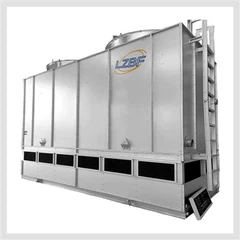
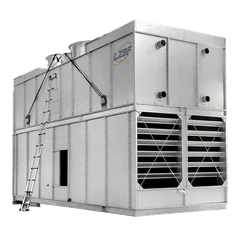
The casing of the dry-wet closed cooling tower provides protection for the internal components and helps to direct the airflow. Structural components support the weight of the tower and ensure its stability.
Galvanized Steel
Galvanized steel is commonly used for the casing and structural components of cooling towers. It's coated with a layer of zinc, which provides corrosion protection. Galvanized steel is strong and can withstand the rigors of outdoor environments. It's also relatively inexpensive compared to some other materials. However, over time, the zinc coating may wear off, especially in harsh environments, and the steel may start to corrode.
FRP (Fiberglass Reinforced Plastic)
FRP is an alternative to galvanized steel for the casing. It's lightweight, corrosion-resistant, and has good insulation properties. FRP can be molded into complex shapes, which allows for more flexibility in the design of the cooling tower. It's also resistant to UV radiation, making it suitable for outdoor use. However, FRP is more expensive than galvanized steel, and its manufacturing process can be more complex.
4. Fans and Motors
Fans are used to move air through the cooling tower, and motors power these fans.
Aluminum
Aluminum is often used for fan blades. It's lightweight, which reduces the load on the motor and allows for higher fan speeds. Aluminum is also corrosion-resistant, which is important for the long-term performance of the fan. It can be easily shaped and has good strength-to-weight ratio.
Cast Iron or Steel
Motors are typically made of cast iron or steel. These materials provide the necessary strength and durability to withstand the mechanical stresses of operation. Cast iron has good vibration damping properties, which helps to reduce noise and extend the life of the motor. Steel motors are also strong and can be designed to be more compact, depending on the application.
5. Piping and Fittings
Piping is used to transport water and other fluids within the cooling tower, and fittings are used to connect the pipes.
PVC Pipes
PVC pipes are commonly used for water distribution in cooling towers. They're lightweight, easy to install, and resistant to corrosion. PVC pipes come in different sizes and pressure ratings, allowing for a wide range of applications. However, like PVC fill materials, they have a relatively low temperature resistance.
Copper or Stainless Steel Pipes
For applications where higher temperatures or more aggressive fluids are involved, copper or stainless steel pipes may be used. Copper pipes have excellent thermal conductivity, which can be beneficial in some heat transfer applications. Stainless steel pipes offer good corrosion resistance and can handle a wider range of temperatures and chemical environments.
Why These Materials Matter
The choice of materials in the construction of a dry-wet closed cooling tower is crucial for its performance, durability, and efficiency. Using high-quality materials ensures that the tower can operate effectively over a long period of time, with minimal maintenance and repair costs. For example, a well-designed heat exchanger made of the right material can significantly improve the cooling efficiency of the tower, reducing energy consumption and operating costs.
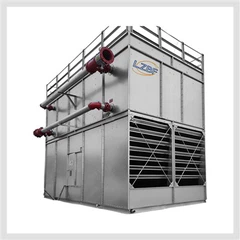
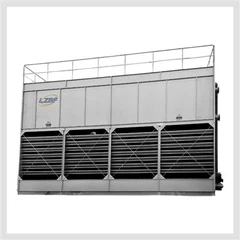
If you're in the market for a dry-wet closed cooling tower, it's important to consider the materials used in its construction. At our company, we use only the best materials to ensure the highest quality and performance of our cooling towers. We offer a range of products, including Industrial Closed Circuit Cooler, Indirect Evaporative Cooling Tower, and Compact Design Cooling Tower Closed Circuit Coolers.
Whether you're looking for a cooling solution for a small industrial facility or a large-scale power plant, we have the expertise and the products to meet your needs. If you're interested in learning more about our dry-wet closed cooling towers or would like to discuss a specific project, don't hesitate to reach out. We're here to help you find the best cooling solution for your application.


References
- ASHRAE Handbook - HVAC Systems and Equipment
- Cooling Tower Institute (CTI) Standards
- Manufacturer's technical documentation for cooling tower materials
Send Inquiry