


What are the installation requirements for evaporative condensers?
Dec 22, 2025
Leave a message
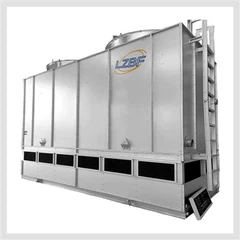
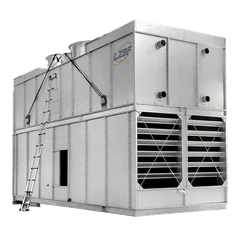
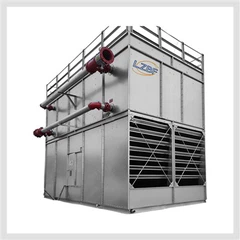
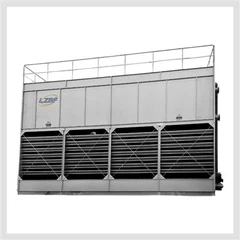
Evaporative condensers are essential components in many industrial and commercial cooling systems. As a supplier of Condensadores Evaporativo, I have witnessed firsthand the importance of proper installation to ensure the efficient and reliable operation of these systems. In this blog post, I will discuss the installation requirements for evaporative condensers, providing valuable insights for those considering their use.
Site Selection
The first step in installing an evaporative condenser is selecting an appropriate site. The location should have sufficient space to accommodate the condenser and allow for proper airflow. A general rule of thumb is to provide at least 3 to 5 feet of clearance around the condenser on all sides. This clearance is necessary to prevent the recirculation of hot air, which can reduce the condenser's efficiency.
The site should also be level and stable. Uneven ground can cause stress on the condenser's structure and lead to premature failure. If the ground is not level, it may be necessary to construct a concrete pad or use leveling feet to ensure a stable foundation.
In addition, the site should be away from sources of heat, such as boilers, furnaces, or other heat-generating equipment. These sources can increase the ambient temperature around the condenser, reducing its cooling capacity. It is also important to avoid areas with high levels of dust, dirt, or other contaminants, as these can clog the condenser's coils and reduce its efficiency.
Electrical Requirements
Evaporative condensers require a reliable electrical supply to operate. The electrical requirements will depend on the size and type of the condenser, as well as the specific application. In general, evaporative condensers require a dedicated electrical circuit with the appropriate voltage and amperage rating.
It is important to ensure that the electrical supply is properly grounded to prevent electrical shock and damage to the condenser. A qualified electrician should be consulted to install the electrical wiring and ensure that it meets all local electrical codes and regulations.
In addition, the condenser may require a control panel to regulate its operation. The control panel should be located in a convenient and accessible location, and it should be protected from the elements. The control panel should also be equipped with safety features, such as overload protection and short-circuit protection, to prevent damage to the condenser and ensure the safety of the operators.
Water Supply and Drainage
Evaporative condensers rely on water to cool the refrigerant. Therefore, a reliable water supply is essential for their operation. The water supply should be clean and free of contaminants, such as sediment, minerals, or chemicals. It is recommended to use a water treatment system to remove these contaminants and prevent the buildup of scale and corrosion in the condenser's coils.
The water supply should also be sufficient to meet the condenser's demand. The amount of water required will depend on the size and type of the condenser, as well as the ambient temperature and humidity. In general, evaporative condensers require a continuous supply of water at a rate of 1 to 3 gallons per minute per ton of cooling capacity.
In addition to the water supply, proper drainage is also important. The condenser should be equipped with a drain line to remove the excess water and prevent the accumulation of water in the unit. The drain line should be properly sized and installed to ensure that it can handle the volume of water being discharged. It is also important to ensure that the drain line is connected to a suitable drainage system, such as a sewer or a storm drain.
Airflow Requirements
Proper airflow is crucial for the efficient operation of evaporative condensers. The condenser relies on the movement of air over its coils to transfer heat from the refrigerant to the surrounding environment. Therefore, it is important to ensure that there is adequate airflow around the condenser.
The condenser should be installed in an area with good ventilation. It is recommended to provide at least 3 to 5 feet of clearance around the condenser on all sides to allow for proper airflow. In addition, the condenser should be installed away from any obstructions, such as walls, buildings, or other equipment, that could block the airflow.
The condenser may also require a fan or a blower to enhance the airflow. The fan or blower should be properly sized and installed to ensure that it can provide the required airflow. It is important to ensure that the fan or blower is operating at the correct speed and that it is not causing any excessive noise or vibration.
Installation and Maintenance
Once the site has been selected and the electrical, water, and airflow requirements have been met, the evaporative condenser can be installed. The installation process should be carried out by a qualified technician who is familiar with the specific requirements of the condenser.


During the installation process, it is important to follow the manufacturer's instructions and guidelines. The condenser should be properly secured to the foundation to prevent it from moving or vibrating during operation. The electrical wiring and plumbing connections should be carefully installed and tested to ensure that they are secure and functioning properly.
After the installation is complete, the condenser should be thoroughly tested to ensure that it is operating at its optimal efficiency. The technician should check the refrigerant levels, the water flow rate, the airflow, and the electrical connections to ensure that everything is working correctly. Any issues or problems should be addressed immediately to prevent further damage to the condenser.
Regular maintenance is also important to ensure the long-term performance and reliability of evaporative condensers. The condenser should be inspected and cleaned on a regular basis to remove any dirt, dust, or debris that may have accumulated on the coils. The water treatment system should be maintained to ensure that the water supply is clean and free of contaminants. The fan or blower should be lubricated and inspected to ensure that it is operating smoothly.
Conclusion
In conclusion, the installation requirements for evaporative condensers are critical to their efficient and reliable operation. Proper site selection, electrical supply, water supply and drainage, airflow, and installation and maintenance are all important factors that need to be considered. By following these requirements, you can ensure that your evaporative condenser will provide years of trouble-free service and help you save energy and reduce your operating costs.
If you are interested in learning more about evaporative condensers or are considering purchasing one for your application, please visit our website at Evaporative Cooled Condenser or Recold Evaporative Condenser. We also offer Indirect Evaporative Cooler solutions for specific needs. Our team of experts is ready to assist you with any questions or concerns you may have. Contact us today to start the procurement negotiation process and find the best evaporative condenser solution for your business.
References
- ASHRAE Handbook - HVAC Systems and Equipment. American Society of Heating, Refrigerating and Air-Conditioning Engineers, Inc.
- Manufacturer's installation and operation manuals for evaporative condensers.
Send Inquiry