

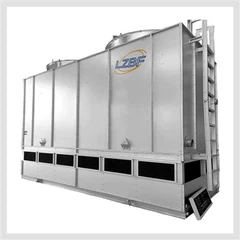
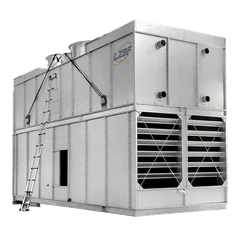
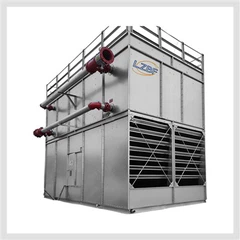
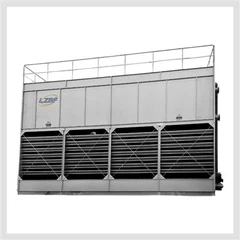

What are the common problems with cross - flow closed cooling towers?
Jan 15, 2026
Leave a message
Hey there! As a supplier of Cross-flow Closed Cooling Towers, I've seen my fair share of issues that customers run into. In this blog, I'm gonna chat about some of the common problems with these cooling towers and how you can deal with 'em.
1. Scale and Mineral Deposits
One of the most frequent problems is the buildup of scale and mineral deposits. Over time, dissolved minerals in the water like calcium and magnesium carbonate can form hard deposits on the heat transfer surfaces. This is a big deal cos it acts as an insulator, reducing the tower's efficiency. When the efficiency drops, the cooling tower has to work harder to achieve the same cooling effect, which means higher energy consumption and potentially more wear and tear on the equipment.
So, what causes this? Well, it often comes down to the quality of the water that's being used. If the water has a high mineral content, the likelihood of scale formation increases. Also, high water temperatures and low flow rates can exacerbate the problem.
To fix this, you can use water treatment chemicals. These chemicals are designed to prevent the minerals from precipitating out of the water and forming scale. Regular cleaning and maintenance are also crucial. Periodically, you should clean the heat transfer surfaces to remove any existing scale. You can find more about our solutions for cooling in high-mineral environments on our page Evaporative Cooling For Metallurgical Applications.
2. Fan and Motor Issues
The fans and motors in cross-flow closed cooling towers are vital for proper operation. But they can run into a bunch of problems. For instance, the fan blades might get damaged. This can happen due to physical impact, corrosion, or even imbalance. A damaged fan blade won't work efficiently, and it can cause excessive vibration in the cooling tower.
The motors can also be a headache. Overheating is a common problem, which can be caused by things like overloading, poor ventilation, or electrical issues. If the motor overheats, it can lead to breakdowns and costly repairs.
Regular inspections are key to catching these issues early. Check the fan blades for any signs of damage or wear. Make sure the motors are properly lubricated and that the ventilation is good. If you notice any strange noises or vibrations, it's a good idea to have a professional take a look. Our Dry and Wet Closed Cooling Tower models come with high-quality fans and motors, but maintenance is still essential.
3. Corrosion
Corrosion is another major issue that can affect cross-flow closed cooling towers. It happens when the metal components of the tower, like the casing or the heat exchanger tubes, react with the water and the environment. Chlorine and other chemicals in the water can accelerate the corrosion process.
Corrosion can lead to leaks in the cooling tower, which can cause water loss and damage to the surrounding area. It can also weaken the structural integrity of the tower over time.
To prevent corrosion, you can use corrosion-resistant materials in the construction of the cooling tower. Coatings can also be applied to the metal surfaces to protect them from the corrosive elements. Additionally, proper water treatment to control the chemical composition of the water can help reduce the risk of corrosion. Our Industrial Closed Circuit Cross Flow Cooling Tower is designed with corrosion resistance in mind, but it's still important to follow good maintenance practices.
4. Biological Growth
Biological growth, such as algae, bacteria, and fungi, can be a real pain. These organisms can grow in the water and on the surfaces of the cooling tower, especially in warm and moist conditions. Algae can clog the nozzles and the heat transfer surfaces, reducing the tower's performance. Bacteria, like Legionella, can pose a serious health risk to people in the vicinity of the cooling tower.
To combat biological growth, you need to keep the water clean. Use biocides to kill the bacteria and fungi. Regularly clean the cooling tower to remove any visible growth. Maintaining the right water chemistry, including the pH and chlorine levels, can also help prevent the growth of these organisms.
5. Water Distribution Problems
Proper water distribution is crucial for the efficient operation of a cross-flow closed cooling tower. If the water isn't distributed evenly across the heat transfer surfaces, some areas won't be cooled effectively. This can result in hot spots and reduced overall cooling capacity.
There are a few things that can cause water distribution problems. Clogged nozzles are a common culprit. Debris or scale buildup in the nozzles can restrict the flow of water and cause uneven distribution. Also, issues with the water pumps or the piping system can lead to improper water distribution.
Regularly inspect and clean the nozzles to ensure they're working properly. Check the water pumps and the piping for any leaks or blockages. Make sure the water flow rate is set correctly according to the manufacturer's specifications.
How We Can Help
At our company, we understand these common problems with cross-flow closed cooling towers inside out. We've got a wide range of products and services to help you overcome 'em. Our cooling towers are built with high-quality materials and advanced technology to minimize the risk of these issues.
But it's not just about selling you a product. We also offer comprehensive maintenance and support services. Our team of experts can help you with water treatment, regular inspections, and any necessary repairs.


If you're in the market for a cross-flow closed cooling tower or if you're facing any of these problems with your existing tower, don't hesitate to get in touch. We're here to help you ensure the smooth and efficient operation of your cooling system. Let's have a chat and see how we can work together to meet your cooling needs.
References
- Cooling Tower Institute - Guidelines for Cooling Tower Maintenance
- Manufacturer's Manuals for Cross-flow Closed Cooling Towers
Send Inquiry