


What are the best practices for operating an Indirect Evaporative Condenser?
Jan 15, 2026
Leave a message
As a supplier of Indirect Evaporative Condensers, I've had the privilege of witnessing firsthand the transformative impact these systems have on various industries. These condensers are a game-changer, offering energy-efficient and reliable cooling solutions. In this blog post, I'll share some of the best practices for operating an Indirect Evaporative Condenser, which I hope will help you get the most out of your system.
Understanding the Basics
Before diving into the best practices, let's quickly go over what an Indirect Evaporative Condenser is. It's a device used in refrigeration and air conditioning systems to condense refrigerant vapor into a liquid. Unlike traditional condensers, it uses the principle of evaporative cooling to enhance its efficiency. The process involves passing the refrigerant through a coil while water is sprayed over the outside of the coil. As the water evaporates, it absorbs heat from the refrigerant, causing it to condense.
Regular Maintenance is Key
One of the most important aspects of operating an Indirect Evaporative Condenser is regular maintenance. This includes checking the water levels, inspecting the coils for dirt and debris, and ensuring that the fans and pumps are working properly. A dirty coil can significantly reduce the condenser's efficiency, so it's crucial to clean it regularly. You can use a soft brush or a low-pressure water spray to remove any dirt or debris from the coils.
Another critical maintenance task is to monitor the water quality. The water used in the condenser should be clean and free of impurities. Hard water can cause scale buildup on the coils, which can reduce the heat transfer efficiency. To prevent this, you can install a water treatment system that will remove any minerals or impurities from the water.
Optimizing the Water Flow
Proper water flow is essential for the efficient operation of an Indirect Evaporative Condenser. The water should be evenly distributed over the coils to ensure maximum heat transfer. You can adjust the water flow rate by adjusting the valves or pumps. It's important to find the right balance – too much water can lead to water wastage, while too little water can reduce the cooling efficiency.
In addition to adjusting the water flow rate, you should also ensure that the water distribution system is working properly. The nozzles that spray the water over the coils should be clean and unclogged. If the nozzles are clogged, the water will not be evenly distributed, which can reduce the condenser's performance.
Monitoring the Temperature and Pressure
Monitoring the temperature and pressure of the refrigerant is another best practice for operating an Indirect Evaporative Condenser. You should regularly check the temperature and pressure gauges to ensure that they are within the recommended range. If the temperature or pressure is too high or too low, it could indicate a problem with the condenser or the refrigeration system.
For example, if the refrigerant temperature is too high, it could mean that the condenser is not removing enough heat from the refrigerant. This could be due to a dirty coil, a malfunctioning fan, or a problem with the water flow. On the other hand, if the refrigerant pressure is too low, it could indicate a leak in the system.
Choosing the Right Location
The location of the Indirect Evaporative Condenser can also have a significant impact on its performance. It should be installed in a well-ventilated area where there is plenty of fresh air. Avoid installing the condenser in an enclosed space or near sources of heat, such as boilers or furnaces.
The condenser should also be installed on a level surface to ensure proper water drainage. If the condenser is not level, the water may not drain properly, which can lead to water accumulation and potential damage to the system.
Using the Right Refrigerant
Using the right refrigerant is crucial for the efficient operation of an Indirect Evaporative Condenser. The refrigerant should be compatible with the condenser and the refrigeration system. It should also have the right properties, such as a low boiling point and a high latent heat of vaporization.
You should always follow the manufacturer's recommendations when choosing a refrigerant. Using the wrong refrigerant can not only reduce the condenser's efficiency but also cause damage to the system.
Training Your Staff
Proper training of your staff is essential for the safe and efficient operation of an Indirect Evaporative Condenser. Your staff should be familiar with the system's operation, maintenance, and safety procedures. They should also know how to troubleshoot common problems and how to perform basic maintenance tasks.
You can provide your staff with training courses or on-the-job training. Make sure that they have access to the system's user manual and other relevant documentation. Encourage them to ask questions and report any problems they encounter.


Investing in a High-Quality Condenser
Investing in a high-quality Indirect Evaporative Condenser is a long-term investment that can pay off in terms of energy savings and reliability. A high-quality condenser will be more efficient, require less maintenance, and have a longer lifespan.
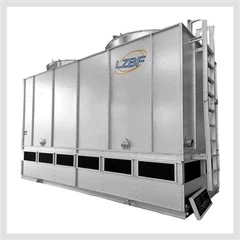
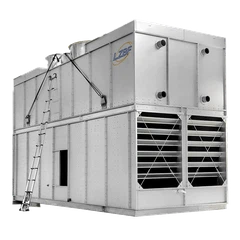
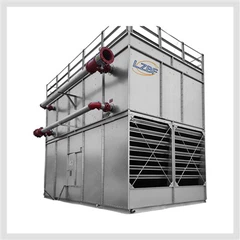
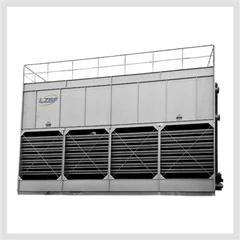
At our company, we offer a range of high-quality Indirect Evaporative Condensers, including Recold Evaporative Condenser, Condensadores Evaporativos, and Dry-wet Condenser. Our condensers are designed and manufactured to the highest standards, using the latest technology and materials.
In conclusion, operating an Indirect Evaporative Condenser requires a combination of proper maintenance, optimization of water flow, monitoring of temperature and pressure, choosing the right location, using the right refrigerant, training your staff, and investing in a high-quality condenser. By following these best practices, you can ensure that your condenser operates efficiently and reliably, saving you energy and money in the long run.
If you're interested in learning more about our Indirect Evaporative Condensers or have any questions about operating your existing system, please don't hesitate to contact us. We're here to help you make the most of your investment.
References
- ASHRAE Handbook - Refrigeration.
- Manufacturer's manuals for Indirect Evaporative Condensers.
Send Inquiry