


What are the challenges of using renewable energy to power a closed loop cooling system?
Jan 13, 2026
Leave a message
As a supplier of Closed Loop Cooling Systems, I've witnessed firsthand the growing interest in using renewable energy to power these systems. It's an exciting prospect, as the move towards sustainability is not only environmentally responsible but also economically viable in the long run. However, the path to implementing renewable energy for closed loop cooling systems is fraught with challenges. In this blog, I'll delve into some of the key obstacles we face and how we can work towards overcoming them.
1. Intermittency of Renewable Energy Sources
Renewable energy sources such as solar and wind are inherently intermittent. The sun doesn't shine 24/7, and the wind doesn't blow consistently. This poses a significant challenge for closed loop cooling systems, which require a stable and continuous power supply to maintain optimal performance.
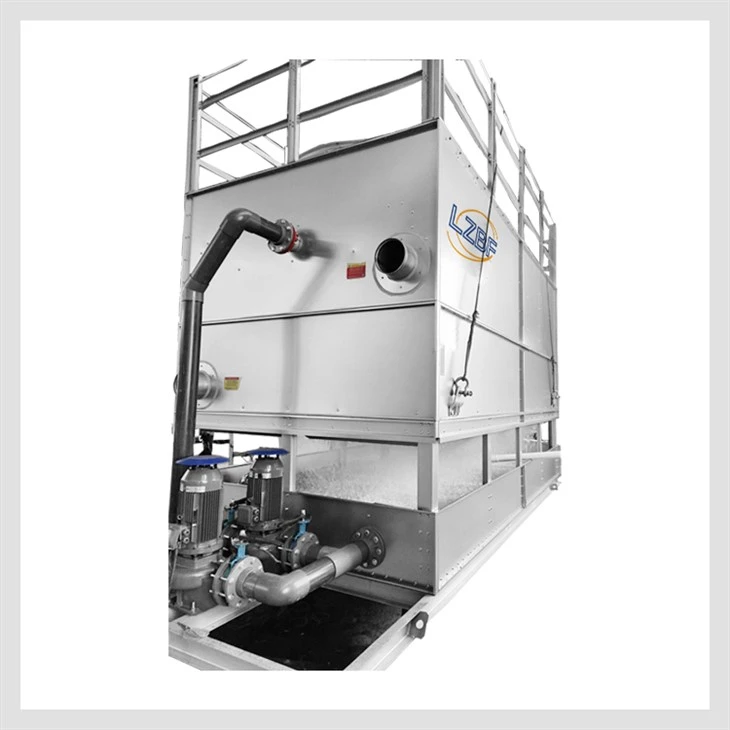

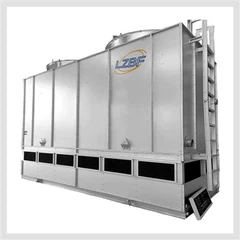
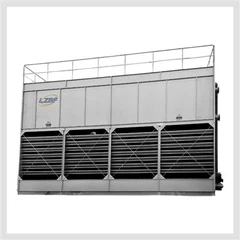
A closed loop cooling system, like the Closed Circuit Evaporative Cooling Tower, operates by continuously circulating coolant through a closed loop to remove heat from a process or equipment. Any disruption in the power supply can lead to a rise in temperature, potentially causing damage to the equipment and affecting the overall efficiency of the system.
To address this issue, energy storage solutions are essential. Batteries can store excess energy generated during peak production periods and release it when the renewable energy source is not producing enough power. However, current battery technologies are still limited in terms of capacity, cost, and lifespan. The high upfront cost of installing large-scale battery storage systems can be a deterrent for many businesses, especially small and medium-sized enterprises.
2. Energy Intensity of Closed Loop Cooling Systems
Closed loop cooling systems are energy-intensive. They rely on pumps, fans, and compressors to circulate coolant and remove heat. These components require a significant amount of power to operate, and meeting this demand with renewable energy can be challenging.
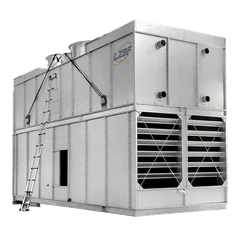
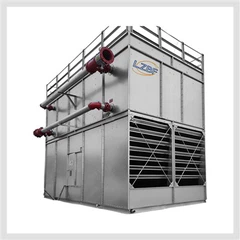
For example, an Indirect Cooler uses a combination of air and water to cool the process fluid. The fans used to move the air and the pumps used to circulate the water consume a large amount of electricity. Similarly, an Indirect Air Cooler requires power to drive the fans and operate the heat exchangers.
To reduce the energy intensity of closed loop cooling systems, we need to focus on improving the efficiency of the components. Advances in motor technology, such as the use of high-efficiency motors and variable frequency drives, can help to reduce the power consumption of pumps and fans. Additionally, optimized heat exchanger designs can improve the heat transfer efficiency, allowing the system to remove heat more effectively with less energy.
3. Compatibility and Integration
Integrating renewable energy sources with closed loop cooling systems requires careful planning and design. The electrical characteristics of renewable energy sources, such as the voltage and frequency, may not be compatible with the requirements of the cooling system.
Furthermore, the control systems of the cooling system need to be designed to work in conjunction with the renewable energy source. For example, if the solar power generation decreases due to cloud cover, the cooling system's control system needs to be able to adjust the operation of the components to maintain the desired temperature without causing a sudden drop in performance.
This compatibility issue also extends to the physical integration of the renewable energy generation equipment with the cooling system. The installation of solar panels or wind turbines requires sufficient space and proper orientation to maximize energy production. In some cases, the existing infrastructure may not be suitable for the installation of renewable energy generation equipment, requiring additional modifications and investments.
4. Cost Challenges
The initial investment required for renewable energy systems is relatively high. The cost of purchasing and installing solar panels, wind turbines, and energy storage systems can be a significant barrier for many customers. While the long-term savings in energy costs may offset the initial investment, the upfront financial burden can be a deterrent.
In addition to the cost of the renewable energy generation equipment, there are also ongoing maintenance and operation costs. Renewable energy systems require regular maintenance to ensure optimal performance. For example, solar panels need to be cleaned regularly to remove dust and debris, and wind turbines need to be inspected and serviced to prevent breakdowns. These maintenance costs can add up over time and impact the overall economic viability of using renewable energy to power closed loop cooling systems.
5. Regulatory and Policy Hurdles
The implementation of renewable energy for closed loop cooling systems is also affected by regulatory and policy issues. Different regions have different regulations regarding the installation, operation, and connection of renewable energy systems to the grid. These regulations can be complex and time-consuming to navigate, adding to the challenges of adopting renewable energy.
In some cases, there may be a lack of incentives or support from the government. For example, subsidies or tax credits for renewable energy projects can significantly reduce the financial burden on customers. Without these incentives, the cost of using renewable energy may be prohibitive for many businesses.
Overcoming the Challenges
Despite these challenges, there are several strategies that we can adopt to overcome them. Firstly, continued research and development in renewable energy and energy storage technologies are crucial. As technology advances, we can expect to see improvements in the efficiency, capacity, and cost of renewable energy systems and energy storage solutions.
Secondly, collaboration between different stakeholders is essential. This includes suppliers, customers, energy providers, and government agencies. By working together, we can share knowledge, resources, and expertise to address the challenges and develop innovative solutions.
For customers, it's important to conduct a thorough cost-benefit analysis before deciding to switch to renewable energy for their closed loop cooling systems. This analysis should consider not only the initial investment and ongoing maintenance costs but also the long-term savings in energy costs and the potential environmental and social benefits.
As a Closed Loop Cooling System supplier, I'm committed to helping our customers overcome these challenges. We offer a range of high-efficiency cooling systems that are designed to work with renewable energy sources. Our team of experts can provide technical support and advice on the integration of renewable energy systems with our cooling products.
If you're interested in exploring the possibility of using renewable energy to power your closed loop cooling system, I encourage you to contact us for a detailed consultation. We can work with you to design a customized solution that meets your specific requirements and helps you achieve your sustainability goals.
References
- Smith, J. (2022). Renewable Energy for Industrial Cooling Systems. Energy Journal.
- Johnson, A. (2021). Challenges and Opportunities in Integrating Renewable Energy with Cooling Technologies. Sustainable Engineering Journal.
- Brown, C. (2020). The Future of Closed Loop Cooling Systems: Renewable Energy Solutions. Green Technology Review.
Send Inquiry