


Is professional installation required for a closed loop cooling system?
Dec 01, 2025
Leave a message
Hey there! As a supplier of Closed Loop Cooling Systems, I often get asked this question: Is professional installation required for a closed loop cooling system? Well, let's dive right in and break it down.
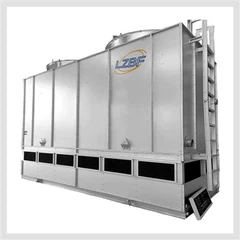
First off, what exactly is a closed loop cooling system? It's a setup that circulates a coolant through a closed circuit to remove heat from a process or equipment. The coolant absorbs the heat and then transfers it to a heat exchanger, where it's dissipated. This type of system is great because it keeps the coolant clean and free from contaminants, which helps extend the life of the equipment and maintain its efficiency.
Now, back to the main question. Is professional installation necessary? In most cases, the answer is yes, and here's why.
Technical Expertise
Closed loop cooling systems are complex pieces of machinery. They involve various components like pumps, heat exchangers, and control systems. Installing these components correctly requires a good understanding of fluid dynamics, thermodynamics, and electrical systems. For example, if the pumps are not sized correctly or installed at the wrong location, it can lead to poor circulation and reduced cooling efficiency. A professional installer has the knowledge and experience to ensure that all the components are properly sized, placed, and connected.
Safety
Safety is a major concern when it comes to installing a closed loop cooling system. These systems often operate under high pressure and involve the use of potentially hazardous coolants. A professional installer is trained to follow all the safety protocols and regulations. They know how to handle the coolants safely, prevent leaks, and ensure that the system is properly grounded to avoid electrical hazards. For instance, improper installation of electrical components can pose a significant risk of fire or electrocution.
Warranty Requirements
Many manufacturers of closed loop cooling systems require professional installation to validate the warranty. If you try to install the system yourself and something goes wrong, the manufacturer may void the warranty. This means that you'll be on the hook for any repair or replacement costs. By having a professional install the system, you can be sure that you're meeting the manufacturer's requirements and protecting your investment.
Efficiency and Performance
A properly installed closed loop cooling system will operate more efficiently and effectively. Professional installers have the tools and techniques to optimize the system's performance. They can perform pressure tests, leak checks, and calibration to ensure that the system is running at its best. For example, they can adjust the flow rate of the coolant to match the specific cooling requirements of your equipment. This not only improves the cooling performance but also helps save energy and reduce operating costs.
However, there are some situations where DIY installation might seem tempting. Maybe you're on a tight budget or you think you have the skills to do it yourself. But before you go down that road, consider the potential risks and challenges.
DIY Installation Challenges
If you're not familiar with the technical aspects of closed loop cooling systems, you may run into problems during the installation process. You might make mistakes that could damage the equipment or cause it to malfunction. For example, if you don't properly seal the connections, it can lead to coolant leaks, which can be costly to repair. Additionally, troubleshooting issues on your own can be time-consuming and frustrating, especially if you don't have the right tools or knowledge.


The Importance of Professional Support
Even if you have some basic technical skills, having professional support during the installation can be invaluable. A professional installer can provide guidance and advice, answer your questions, and help you avoid common mistakes. They can also offer ongoing maintenance and support services to keep your system running smoothly.
Now, let's talk about some of the different types of closed loop cooling systems that we offer as a supplier.
Indirect Cooler
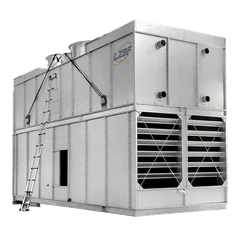
Our Indirect Cooler is a great option for applications where you need to cool a process fluid without direct contact with the atmosphere. It uses a heat exchanger to transfer the heat from the process fluid to a secondary coolant, which is then cooled by evaporation. This type of cooler is ideal for industries such as power generation, chemical processing, and food and beverage.
Closed Circuit Evaporative Cooling Tower
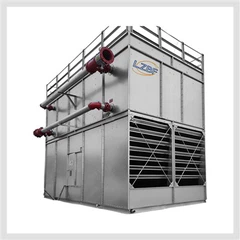
The Closed Circuit Evaporative Cooling Tower is another popular choice. It combines the benefits of a closed loop system with the efficiency of evaporative cooling. The tower uses a closed circuit to circulate the coolant, which is then cooled by evaporation in the tower. This type of system is highly efficient and can save a significant amount of water compared to traditional open cooling towers.
Direct and Indirect Evaporative Cooling System
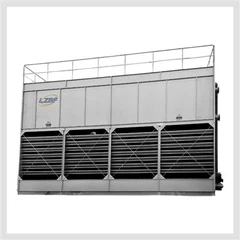
Our Direct and Indirect Evaporative Cooling System offers a flexible solution for different cooling requirements. It can be configured to operate in either direct or indirect mode, depending on the specific needs of your application. This system is suitable for a wide range of industries, including data centers, manufacturing, and commercial buildings.
In conclusion, while it may be possible to install a closed loop cooling system yourself, it's highly recommended that you hire a professional installer. The technical expertise, safety, warranty protection, and performance benefits that come with professional installation far outweigh the potential cost savings of a DIY approach.
If you're interested in learning more about our closed loop cooling systems or need help with installation, don't hesitate to reach out. We're here to provide you with the best solutions for your cooling needs. Whether you're a small business or a large industrial facility, we have the experience and expertise to ensure that your system is installed correctly and operates efficiently. So, let's start a conversation and see how we can help you take your cooling to the next level.
References
- ASHRAE Handbook of HVAC Systems and Equipment.
- Manufacturer's installation and operation manuals for closed loop cooling systems.
Send Inquiry