


How to select the appropriate disinfection method for a Dry - wet Condenser?
Oct 23, 2025
Leave a message
Hey there! As a supplier of Dry - wet Condensers, I've seen firsthand how important it is to choose the right disinfection method. In this blog, I'll share some tips on how to select the appropriate disinfection method for a Dry - wet Condenser.
Understanding the Dry - wet Condenser
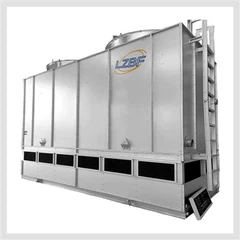
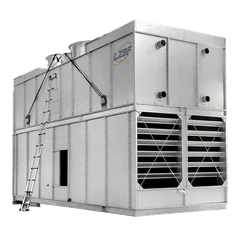
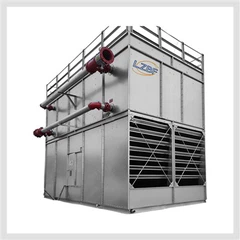
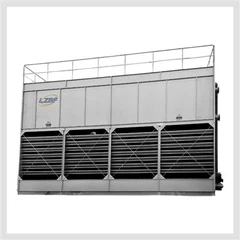
First off, let's quickly go over what a Dry - wet Condenser is. A Dry - wet Condenser combines the features of both dry and wet cooling systems. It's a great option for many industrial and commercial applications because it offers high efficiency and flexibility.
The dry part of the condenser cools the refrigerant through air - to - refrigerant heat exchange, while the wet part uses evaporative cooling to enhance the heat transfer process. This combination helps in reducing energy consumption and maintaining optimal performance. However, like any other cooling equipment, it's prone to the growth of microorganisms such as bacteria, fungi, and algae.
Why Disinfection is Crucial
Microorganisms can cause a whole bunch of problems in a Dry - wet Condenser. They can form biofilms on the heat transfer surfaces, which reduces the condenser's efficiency. A less efficient condenser means higher energy costs and potentially more frequent breakdowns.
Moreover, some of these microorganisms, like Legionella bacteria, can be harmful to human health. If the contaminated water from the condenser is aerosolized and inhaled, it can lead to serious respiratory diseases. So, proper disinfection is not just about keeping the condenser in good shape; it's also about protecting the health of the people around.
Factors to Consider When Selecting a Disinfection Method
1. Type of Microorganisms
Different microorganisms have different levels of resistance to disinfection methods. For example, bacteria like Legionella are relatively more resistant compared to some common fungi. If you know the specific types of microorganisms present in your condenser, you can choose a disinfection method that's most effective against them.
2. Water Quality
The quality of the water used in the condenser plays a big role. If the water has a high level of impurities, such as suspended solids or high mineral content, it can affect the performance of the disinfection method. For instance, some disinfectants may react with the minerals in the water and form insoluble compounds, reducing their effectiveness.
3. System Design and Operation
The design and operation of the Dry - wet Condenser also matter. Some condensers have complex piping systems or hard - to - reach areas where microorganisms can accumulate. In such cases, you need a disinfection method that can penetrate these areas effectively. Also, the frequency of water changes and the flow rate in the system can influence the choice of disinfection.
4. Environmental Impact
We all need to be more environmentally conscious these days. Some disinfection methods may release harmful chemicals into the environment, which can have a negative impact on the ecosystem. So, it's important to choose a method that is both effective and environmentally friendly.
Common Disinfection Methods
1. Chlorination
Chlorination is one of the most widely used disinfection methods. Chlorine is a powerful disinfectant that can kill a wide range of microorganisms. It's relatively inexpensive and easy to use. You can add chlorine in the form of chlorine gas, sodium hypochlorite, or calcium hypochlorite to the condenser water.
However, there are some drawbacks. Chlorine can react with organic matter in the water to form disinfection by - products, such as trihalomethanes, which are potentially carcinogenic. Also, it may not be very effective against some resistant microorganisms.
2. Ozonation
Ozone is a strong oxidizing agent that can quickly kill bacteria, viruses, and fungi. It doesn't leave any harmful residues in the water, making it an environmentally friendly option. Ozone is generated on - site using an ozone generator and then injected into the condenser water.
But ozonation has its limitations too. It's more expensive to set up compared to chlorination, and ozone is a highly reactive gas that can be dangerous if not handled properly.
3. Ultraviolet (UV) Disinfection
UV disinfection uses ultraviolet light to damage the DNA of microorganisms, preventing them from reproducing. It's a chemical - free method, so there are no concerns about disinfection by - products. UV disinfection systems are relatively easy to install and maintain.
The downside is that UV light can only disinfect the water that passes directly through the UV chamber. If there are areas in the condenser where the water doesn't flow well, the microorganisms in those areas may not be effectively disinfected.
4. Copper - Silver Ionization
This method involves releasing copper and silver ions into the condenser water. These ions have antimicrobial properties and can inhibit the growth of microorganisms. Copper - silver ionization is a long - term solution that can provide continuous protection.
However, it may take some time to achieve the desired level of disinfection, and the cost of the ionization equipment can be relatively high.
Making the Right Choice
So, how do you decide which disinfection method is right for your Dry - wet Condenser? Here's a step - by - step approach:
- Conduct a Microbial Analysis: Get a water sample from your condenser and have it analyzed to identify the types and levels of microorganisms present. This will give you a clear idea of what you're up against.
- Evaluate Your Water Quality: Test the water for parameters such as pH, hardness, and the presence of organic matter. This information will help you understand how the water may interact with different disinfection methods.
- Assess Your System: Look at the design and operation of your condenser. Consider factors like the size of the system, the complexity of the piping, and the flow rate. This will help you determine which method can reach all the areas where microorganisms may be present.
- Consider the Cost and Environmental Impact: Compare the costs of different disinfection methods, including the initial investment, operating costs, and maintenance expenses. Also, think about the environmental impact of each method.
Related Products and Their Role in Disinfection
If you're looking for other related products that can work in tandem with the disinfection process, Evaporative Condenser Cooling Tower and Indirect Evaporative Cooler can be great additions.
Evaporative Condenser Cooling Towers can help in maintaining the proper temperature of the condenser water, which can in turn affect the growth of microorganisms. A well - functioning cooling tower can ensure that the water doesn't get too warm, creating an environment less favorable for microbial growth.


Indirect Evaporative Coolers can also contribute to the overall efficiency of the system. By pre - cooling the air or water before it enters the condenser, they can reduce the load on the condenser and potentially minimize the conditions that lead to microbial growth.
Conclusion
Selecting the appropriate disinfection method for a Dry - wet Condenser is a crucial decision that can have a significant impact on the performance, efficiency, and safety of your system. By considering the factors mentioned above and evaluating the different disinfection methods available, you can make an informed choice.
If you're in the market for a Dry - wet Condenser or need more advice on disinfection methods, don't hesitate to reach out. We're here to help you find the best solutions for your specific needs. Whether you're a small business or a large industrial facility, we've got the expertise and products to keep your condenser running smoothly.
References
- ASHRAE Handbook - HVAC Systems and Equipment.
- Water Quality Association (WQA) Guidelines for Cooling Water Treatment.
- Centers for Disease Control and Prevention (CDC) Recommendations on Legionella Prevention in Cooling Systems.
Send Inquiry