


How to prevent freezing in evaporative condensers in cold weather?
Oct 23, 2025
Leave a message
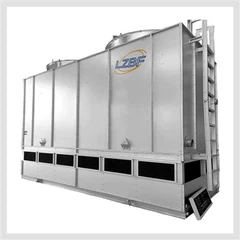
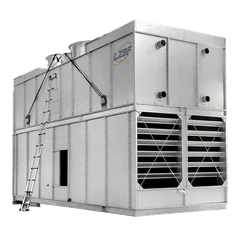
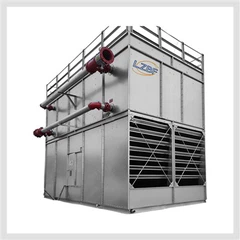
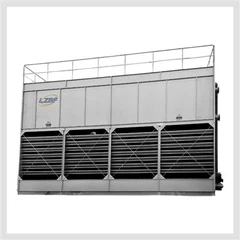
Evaporative condensers are essential components in many industrial and commercial cooling systems, offering efficient heat transfer and energy savings. However, operating these systems in cold weather can pose significant challenges, particularly the risk of freezing. As a leading supplier of Condensadores Evaporativo, we understand the importance of preventing freezing in evaporative condensers to ensure their reliable and efficient operation. In this blog post, we will explore various strategies and best practices to prevent freezing in evaporative condensers during cold weather conditions.
Understanding the Freezing Risk in Evaporative Condensers
Before delving into prevention strategies, it's crucial to understand why evaporative condensers are susceptible to freezing in cold weather. Evaporative condensers work by using water evaporation to remove heat from the refrigerant. When the ambient temperature drops below freezing, the water in the condenser can freeze, leading to a range of issues, including reduced heat transfer efficiency, damage to the condenser coils, and potential system failure.
Several factors can contribute to the freezing risk in evaporative condensers, including:
- Low Ambient Temperature: As the outside temperature drops, the risk of freezing increases, especially if the condenser is not properly insulated or protected.
- High Humidity: High humidity levels can cause water to condense on the condenser coils, increasing the likelihood of freezing.
- Low Water Flow: Insufficient water flow can lead to stagnant water in the condenser, which is more prone to freezing.
- Lack of Insulation: Inadequate insulation around the condenser pipes and components can allow cold air to penetrate, increasing the risk of freezing.
Strategies for Preventing Freezing in Evaporative Condensers
To prevent freezing in evaporative condensers during cold weather, it's essential to implement a comprehensive approach that addresses the various factors contributing to the freezing risk. Here are some effective strategies to consider:
1. Install a Freeze Protection System
One of the most effective ways to prevent freezing in evaporative condensers is to install a freeze protection system. These systems typically include temperature sensors, control valves, and heaters that work together to monitor the temperature and prevent freezing. When the temperature drops below a certain threshold, the system automatically activates the heaters or adjusts the water flow to maintain a safe operating temperature.
There are several types of freeze protection systems available, including:
- Electric Heaters: Electric heaters can be installed on the condenser coils or in the water sump to prevent freezing. These heaters are typically controlled by a thermostat and can be set to activate when the temperature drops below a certain level.
- Hot Gas Bypass: Hot gas bypass systems divert a portion of the hot refrigerant gas from the compressor to the condenser coils, raising the temperature and preventing freezing. This method is particularly effective in systems with variable load conditions.
- Water Circulation Pumps: Water circulation pumps can be used to maintain a constant flow of water through the condenser, preventing stagnant water from freezing. These pumps can be controlled by a timer or a temperature sensor to ensure continuous operation.
2. Insulate the Condenser and Pipes
Proper insulation is crucial for preventing heat loss and reducing the risk of freezing in evaporative condensers. Insulating the condenser coils, pipes, and water sump can help maintain a stable temperature and prevent cold air from penetrating the system.
When selecting insulation materials, it's important to choose materials with high thermal resistance and moisture resistance. Common insulation materials used for evaporative condensers include foam insulation, fiberglass insulation, and rubber insulation. These materials can be installed on the condenser coils, pipes, and other components using adhesive or mechanical fasteners.
3. Monitor and Control the Water Flow
Maintaining a proper water flow is essential for preventing freezing in evaporative condensers. Insufficient water flow can lead to stagnant water, which is more prone to freezing. On the other hand, excessive water flow can waste energy and increase the risk of water damage.
To ensure a proper water flow, it's important to monitor and control the water level and flow rate in the condenser. This can be achieved using a water level sensor and a flow control valve. The water level sensor can detect the water level in the sump and send a signal to the flow control valve to adjust the water flow accordingly.
4. Use a Water Treatment System
Using a water treatment system can help prevent the formation of scale, algae, and other contaminants in the condenser water, which can reduce the heat transfer efficiency and increase the risk of freezing. A water treatment system typically includes a water softener, a chemical feeder, and a filtration system.
The water softener removes hard minerals from the water, preventing the formation of scale on the condenser coils. The chemical feeder adds chemicals to the water to prevent the growth of algae and bacteria. The filtration system removes debris and other contaminants from the water, ensuring a clean and efficient operation of the condenser.
5. Adjust the Operating Parameters
In cold weather, it may be necessary to adjust the operating parameters of the evaporative condenser to prevent freezing. This may include reducing the fan speed, adjusting the water flow rate, or increasing the refrigerant charge.
Reducing the fan speed can help reduce the amount of cold air flowing through the condenser, increasing the temperature and preventing freezing. Adjusting the water flow rate can help maintain a proper water level and prevent stagnant water from freezing. Increasing the refrigerant charge can help raise the temperature of the refrigerant gas, preventing freezing in the condenser coils.


Additional Considerations for Cold Weather Operation
In addition to the strategies mentioned above, there are several other considerations to keep in mind when operating evaporative condensers in cold weather:
- Regular Maintenance: Regular maintenance is essential for ensuring the reliable and efficient operation of evaporative condensers, especially in cold weather. This includes inspecting the condenser coils, pipes, and components for damage or wear, cleaning the water sump and filters, and checking the refrigerant charge and pressure.
- Winterization: Before the onset of cold weather, it's important to winterize the evaporative condenser to prevent damage from freezing. This may include draining the water from the condenser, adding antifreeze to the water sump, and covering the condenser with a protective cover.
- Training and Education: Proper training and education of the operating personnel are crucial for ensuring the safe and efficient operation of evaporative condensers in cold weather. This includes training on the proper use and maintenance of the condenser, as well as the recognition and prevention of freezing issues.
Conclusion
Preventing freezing in evaporative condensers during cold weather is essential for ensuring their reliable and efficient operation. By implementing a comprehensive approach that includes installing a freeze protection system, insulating the condenser and pipes, monitoring and controlling the water flow, using a water treatment system, and adjusting the operating parameters, you can minimize the risk of freezing and extend the lifespan of your evaporative condenser.
As a leading supplier of Condensadores Evaporativo, we offer a wide range of high-quality evaporative condensers and related products, including Dry-wet Condenser, Evaporative Condensing Unit, and Indirect Evaporative Condenser. Our products are designed to meet the highest standards of quality and performance, and we offer comprehensive technical support and after-sales service to ensure your satisfaction.
If you have any questions or need further information about preventing freezing in evaporative condensers or our products, please feel free to contact us. We look forward to working with you to provide the best solutions for your cooling needs.
References
- ASHRAE Handbook - HVAC Systems and Equipment. American Society of Heating, Refrigerating and Air-Conditioning Engineers, Inc.
- Evaporative Condenser Manufacturer's Manuals. Various manufacturers.
- Technical Papers on Evaporative Condenser Operation in Cold Weather. Industry publications and research institutions.
Send Inquiry