


How to protect an evaporative type condenser from air pollution?
Dec 05, 2025
Leave a message
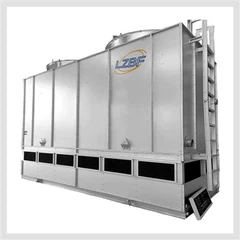
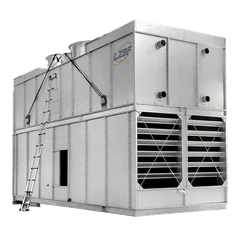
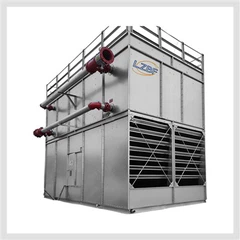
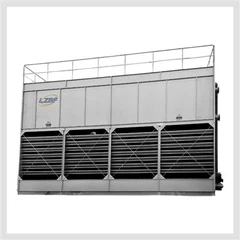
As a supplier of Evaporative Type Condensers, I understand the critical role these units play in various industrial and commercial applications. Evaporative type condensers are highly efficient heat rejection devices that use the principle of evaporation to transfer heat from the refrigerant to the surrounding environment. However, air pollution can significantly impact the performance and lifespan of these condensers. In this blog post, I will share some effective strategies on how to protect an evaporative type condenser from air pollution.
Understanding the Impact of Air Pollution on Evaporative Type Condensers
Air pollution consists of various contaminants such as dust, dirt, pollen, industrial emissions, and chemical pollutants. When these pollutants enter the evaporative type condenser, they can cause several problems:
- Reduced Heat Transfer Efficiency: The accumulation of pollutants on the condenser coils can act as an insulating layer, reducing the heat transfer rate between the refrigerant and the surrounding air. This leads to increased energy consumption and decreased cooling capacity.
- Corrosion and Erosion: Certain pollutants, such as sulfur dioxide and nitrogen oxides, can react with the condenser materials and cause corrosion. Additionally, abrasive particles in the air can erode the condenser surfaces, further compromising its integrity.
- Clogging of Water Distribution System: Pollutants can also clog the water distribution system of the evaporative type condenser, leading to uneven water distribution and reduced evaporation efficiency.
Strategies to Protect Evaporative Type Condensers from Air Pollution
1. Installation of Air Filtration Systems
One of the most effective ways to protect an evaporative type condenser from air pollution is to install air filtration systems. These systems can remove a significant portion of the pollutants from the incoming air before they reach the condenser. There are several types of air filters available, including:
- Pre - filters: These are coarse filters that can capture large particles such as dust and debris. They are relatively inexpensive and easy to replace, making them a cost - effective solution for initial pollutant removal.
- High - Efficiency Particulate Air (HEPA) Filters: HEPA filters are capable of capturing very small particles, including fine dust, pollen, and some microorganisms. They provide a high level of filtration efficiency but are more expensive and require regular maintenance.
By installing air filtration systems, you can significantly reduce the amount of pollutants that enter the evaporative type condenser, thereby improving its performance and longevity.
2. Regular Maintenance and Cleaning
Regular maintenance and cleaning are essential for protecting an evaporative type condenser from air pollution. Here are some key maintenance tasks:
- Coil Cleaning: The condenser coils should be cleaned regularly to remove any accumulated pollutants. This can be done using a soft brush or a high - pressure water spray. Avoid using abrasive cleaners or tools that can damage the coil surfaces.
- Water System Maintenance: The water distribution system, including the nozzles and troughs, should be inspected and cleaned regularly to prevent clogging. The water quality should also be monitored and treated as necessary to prevent the growth of algae and bacteria.
- Inspection of Seals and Gaskets: Check the seals and gaskets around the condenser to ensure they are in good condition. Leaky seals can allow polluted air to enter the condenser, so they should be replaced if necessary.
3. Location Selection
The location of the evaporative type condenser can also have a significant impact on its exposure to air pollution. When selecting a location for installation, consider the following factors:
- Distance from Pollutant Sources: Avoid installing the condenser near sources of air pollution such as industrial facilities, busy roads, or construction sites. The further away the condenser is from these sources, the less likely it is to be exposed to high levels of pollutants.
- Airflow Patterns: Choose a location with good airflow to ensure that the condenser can draw in clean air. Avoid areas with stagnant air or areas where the air is likely to be recirculated, as this can increase the concentration of pollutants around the condenser.
4. Use of Protective Coatings
Applying protective coatings to the condenser surfaces can help to prevent corrosion and erosion caused by air pollution. There are several types of coatings available, including epoxy coatings, polyurethane coatings, and ceramic coatings. These coatings can provide a barrier between the condenser materials and the pollutants in the air, extending the lifespan of the condenser.


Benefits of Protecting Evaporative Type Condensers from Air Pollution
By implementing the above strategies to protect an evaporative type condenser from air pollution, you can enjoy several benefits:
- Improved Energy Efficiency: A clean and well - protected condenser can operate more efficiently, reducing energy consumption and lowering operating costs.
- Extended Lifespan: Protecting the condenser from corrosion, erosion, and clogging can significantly extend its lifespan, reducing the need for frequent replacements.
- Enhanced Reliability: A condenser that is protected from air pollution is less likely to experience breakdowns and malfunctions, ensuring reliable operation and minimizing downtime.
Conclusion
As a supplier of Evaporative Type Condensers, I highly recommend taking proactive measures to protect these important units from air pollution. By installing air filtration systems, performing regular maintenance and cleaning, selecting the right location, and using protective coatings, you can ensure that your evaporative type condenser operates at peak performance for many years to come.
If you are interested in learning more about our Evaporative Condensing Unit or Ammonia Evaporative Condenser products, or if you have any questions about protecting your condenser from air pollution, please feel free to contact us for a detailed discussion and potential procurement. We are committed to providing high - quality products and professional solutions to meet your specific needs.
References
- ASHRAE Handbook - HVAC Systems and Equipment. American Society of Heating, Refrigerating and Air - Conditioning Engineers.
- "Industrial Refrigeration Handbook". CRC Press.
- "Evaporative Cooling Technology: Principles and Applications". Elsevier.
Send Inquiry