


How to operate a Recold Evaporative Condenser safely?
Sep 01, 2025
Leave a message
Hey there! As a supplier of Recold Evaporative Condensers, I've seen firsthand how these machines can be a game - changer for many industrial and commercial cooling needs. But just like any piece of equipment, operating them safely is super important. So, let's dive into how you can operate a Recold Evaporative Condenser safely.
Pre - operation Checks
Before you even think about firing up your Recold Evaporative Condenser, there are a few things you need to do. First off, take a good look at the condenser itself. Check for any visible damage, like cracks in the casing or bent fins. If you spot anything, don't try to operate it right away. Reach out to us, and we'll help you figure out the best way to fix it.
Next, make sure all the connections are tight. Loose connections can lead to all sorts of problems, from leaks to electrical issues. Check the water lines, refrigerant lines, and electrical connections. You don't want any surprises when you start the machine.
The water level is another crucial thing to check. The condenser relies on water for its cooling process, so you need to make sure there's enough water in the reservoir. If the water level is too low, it can cause the condenser to overheat and potentially damage the components. On the flip side, if it's too high, you might end up with water spills and other messes.
Understanding the Controls
Once you've done your pre - operation checks, it's time to get familiar with the controls. Every Recold Evaporative Condenser comes with a control panel that allows you to adjust various settings. Don't be intimidated by it. Take some time to read the manual and understand what each button and switch does.
The most important settings you'll need to adjust are the temperature and the fan speed. The temperature setting determines how cool the condenser will make the refrigerant. You'll want to set it according to the requirements of your specific application. The fan speed, on the other hand, affects how quickly the heat is dissipated. A higher fan speed will cool the refrigerant faster, but it will also use more energy.
If you're not sure how to set these controls, don't hesitate to give us a call. We're always happy to help you find the right settings for your needs.
Safety Precautions During Operation
When the Recold Evaporative Condenser is up and running, there are some safety precautions you need to follow. First of all, stay away from the moving parts. The fans and pumps can be extremely dangerous if you get too close. Make sure there are no loose clothing or jewelry that could get caught in the machinery.
Keep the area around the condenser clean and free of debris. Dirt and dust can clog the fins and reduce the efficiency of the condenser. It can also cause the machine to overheat. So, regularly clean the area and remove any leaves, branches, or other debris that might have accumulated.
Another important thing is to monitor the pressure and temperature gauges. These gauges will give you an idea of how the condenser is performing. If the pressure or temperature is outside the normal range, it could be a sign of a problem. In that case, shut down the condenser immediately and contact us for assistance.
Maintenance and Inspections
Regular maintenance and inspections are key to keeping your Recold Evaporative Condenser operating safely. You should perform a basic inspection at least once a month. Check for any signs of wear and tear, such as rust or corrosion. If you notice any issues, address them right away.
The water quality is also important. Hard water can cause scale buildup in the condenser, which can reduce its efficiency and lifespan. You can use a water softener or a descaling agent to keep the water clean.
Don't forget about the filters. The air and water filters need to be cleaned or replaced regularly. A clogged filter can restrict the airflow and water flow, leading to poor performance and potential damage to the condenser.
Different Types of Evaporative Condensers
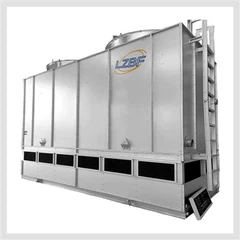
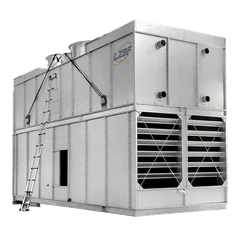
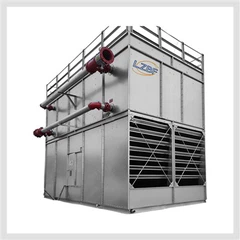
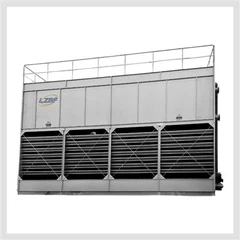
We offer different types of evaporative condensers, each with its own unique features and benefits. For example, the Evaporative Surface Condenser is great for applications where you need a high level of heat transfer efficiency. It uses a large surface area to maximize the evaporation process.
The Evaporative Cooled Condenser is another popular option. It combines the benefits of evaporation and air cooling to provide efficient and reliable cooling.
And then there's the Indirect Evaporative Condenser. This type of condenser is ideal for applications where you need to keep the refrigerant separate from the cooling water. It's a great choice for industries where hygiene and purity are important.
Troubleshooting
Even with proper maintenance and operation, you might encounter some problems with your Recold Evaporative Condenser. If the condenser is not cooling properly, it could be due to a number of reasons. It could be a clogged filter, a malfunctioning fan, or a refrigerant leak.
If you hear strange noises coming from the condenser, it could be a sign of a mechanical problem. Don't ignore these noises. Shut down the condenser and call us right away. We have a team of experts who can diagnose and fix the problem quickly.
Conclusion
Operating a Recold Evaporative Condenser safely is all about being prepared, following the rules, and doing regular maintenance. By taking these steps, you can ensure that your condenser will provide reliable and efficient cooling for years to come.


If you're in the market for a new evaporative condenser or need help with your existing one, we're here to assist you. Whether you have questions about safety, installation, or operation, our team of experts is just a call away. Don't hesitate to reach out to us for more information and to discuss your specific requirements. We're looking forward to helping you find the perfect cooling solution for your needs.
References
- Manufacturer's Manual for Recold Evaporative Condensers
- Industry Standards for Evaporative Condenser Operation and Safety
Send Inquiry