


How to install a dry - wet cooler in a multi - story building?
Oct 27, 2025
Leave a message
Installing a dry - wet cooler in a multi - story building is a complex yet rewarding project. As a dry - wet cooler supplier, I've witnessed firsthand the benefits these systems bring to multi - story buildings, from improved energy efficiency to enhanced cooling performance. In this blog, I'll guide you through the process of installing a dry - wet cooler in a multi - story building, sharing valuable insights and best practices.
1. Pre - installation Assessment
Before embarking on the installation process, a thorough pre - installation assessment is essential. This involves evaluating the building's structure, electrical capacity, and cooling requirements.


- Building Structure: The weight and size of the dry - wet cooler need to be considered. Multi - story buildings may have specific load - bearing capacities for rooftops or mechanical floors. It's crucial to ensure that the chosen location can support the weight of the cooler, including the unit itself, water, and any associated equipment. Additionally, access to the installation site should be evaluated. Is there a suitable pathway for lifting the cooler to the desired floor? Cranes or other lifting equipment may be required, and the building's layout must accommodate their use.
- Electrical Capacity: Dry - wet coolers typically require a significant amount of electrical power to operate. Check the building's electrical system to determine if it can handle the additional load. You may need to consult an electrician to perform a load calculation and, if necessary, upgrade the electrical infrastructure. This could involve installing new breakers, transformers, or wiring to ensure a stable power supply.
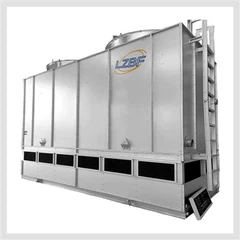
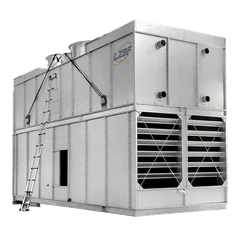
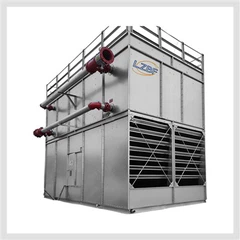
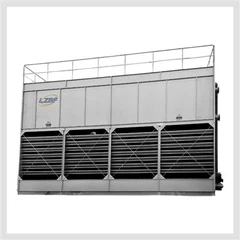
- Cooling Requirements: Analyze the building's cooling needs. Factors such as the number of occupants, the type of equipment in use, and the building's insulation all play a role in determining the appropriate size and capacity of the dry - wet cooler. Use industry - standard formulas and calculations to estimate the cooling load accurately. This will help you select the right model from our range of products, including the Hybrid Closed Circuit Cooling Tower, Compound Closed Cooling Tower, and Efficient Closed Circuit Cooling Tower.
2. Selecting the Right Dry - Wet Cooler
Based on the pre - installation assessment, choose a dry - wet cooler that meets the building's specific requirements. Consider the following factors:
- Capacity: Select a cooler with a cooling capacity that matches the estimated cooling load. An undersized cooler will not be able to provide sufficient cooling, while an oversized cooler may lead to inefficient operation and higher energy costs.
- Efficiency: Look for models with high energy efficiency ratings. Our dry - wet coolers are designed to optimize energy consumption, using advanced technologies such as variable - speed fans and intelligent control systems. These features can significantly reduce operating costs over the long term.
- Noise Level: In a multi - story building, noise can be a concern, especially if the cooler is installed near occupied areas. Choose a cooler with a low noise level to minimize disruption. Our products are engineered to operate quietly, ensuring a comfortable environment for building occupants.
3. Installation Site Preparation
Once the dry - wet cooler is selected, prepare the installation site.
- Leveling and Foundation: The installation surface must be level and stable. If the cooler is to be installed on the rooftop, a concrete or steel foundation may be required. Ensure that the foundation is properly sized and reinforced to support the weight of the cooler. Use a level to check the surface and make any necessary adjustments.
- Ventilation: Adequate ventilation is crucial for the proper operation of the dry - wet cooler. The installation site should have sufficient clearance around the unit to allow for proper air intake and exhaust. Avoid installing the cooler near walls, partitions, or other obstructions that could impede airflow.
- Piping and Plumbing: Plan the piping and plumbing layout carefully. The cooler will need to be connected to the building's water supply and drainage systems. Use high - quality pipes and fittings to prevent leaks and ensure a reliable water flow. Consider the length and diameter of the pipes, as well as the pressure requirements of the system.
4. Installation Process
The installation process should be carried out by a qualified and experienced installation team.
- Lifting and Positioning: Use appropriate lifting equipment to move the dry - wet cooler to the installation site. Ensure that the unit is positioned correctly on the prepared foundation and leveled. Secure the cooler to the foundation using bolts or other fastening methods.
- Electrical Connection: Connect the cooler to the building's electrical system following all electrical codes and safety standards. This includes wiring the motor, control panel, and any other electrical components. Have an electrician inspect the electrical connections to ensure they are safe and properly installed.
- Piping and Plumbing Connection: Connect the cooler to the water supply and drainage systems. Install valves, filters, and other necessary components to regulate the water flow. Test the plumbing system for leaks before proceeding with further installation steps.
- Commissioning and Testing: Once the installation is complete, commission the dry - wet cooler. This involves starting the unit, checking the operation of all components, and adjusting the settings as needed. Conduct a series of tests to ensure that the cooler is functioning properly and providing the desired cooling performance.
5. Post - installation Maintenance
Regular maintenance is essential to keep the dry - wet cooler operating efficiently and extend its lifespan.
- Cleaning: Clean the cooler regularly to remove dirt, debris, and scale. This includes cleaning the coils, fans, and water basins. Use appropriate cleaning agents and tools to ensure a thorough cleaning without damaging the components.
- Inspection: Conduct routine inspections of the cooler to check for any signs of wear, damage, or malfunction. Inspect the electrical connections, belts, bearings, and other moving parts. Replace any worn or damaged components promptly.
- Water Treatment: Proper water treatment is crucial to prevent the growth of algae, bacteria, and scale in the cooling system. Use water treatment chemicals and follow the manufacturer's recommendations for water quality management.
6. Troubleshooting
Despite proper installation and maintenance, issues may arise with the dry - wet cooler. Here are some common problems and their solutions:
- Low Cooling Performance: This could be due to a dirty coil, a malfunctioning fan, or a problem with the water flow. Check the coil for dirt and debris, inspect the fan for proper operation, and ensure that the water flow is sufficient.
- Leaking Water: A leak could be caused by a damaged pipe, a loose connection, or a cracked water basin. Check the plumbing system for leaks and repair any damaged components.
- High Energy Consumption: This may be due to an inefficient operation of the cooler. Check the settings, ensure that the fans and pumps are running at the appropriate speeds, and consider upgrading to a more energy - efficient model if necessary.
In conclusion, installing a dry - wet cooler in a multi - story building requires careful planning, proper selection of equipment, and professional installation and maintenance. As a dry - wet cooler supplier, we are committed to providing high - quality products and comprehensive support to ensure the success of your project. If you are interested in purchasing a dry - wet cooler for your multi - story building or have any questions about the installation process, please feel free to contact us for a consultation. We look forward to working with you to meet your cooling needs.
References
- ASHRAE Handbook - HVAC Systems and Equipment. American Society of Heating, Refrigerating and Air - Conditioning Engineers.
- Cooling Tower Institute (CTI) Standards and Guidelines. Cooling Tower Institute.
Send Inquiry