


How does the water temperature affect the performance of an evaporative condenser?
Jan 16, 2026
Leave a message
As a trusted evaporative condenser supplier, I've witnessed firsthand the intricate relationship between water temperature and the performance of these crucial systems. Evaporative condensers play a vital role in various industrial and commercial applications, from refrigeration to power generation. Understanding how water temperature affects their performance is essential for optimizing efficiency, reducing operating costs, and ensuring reliable operation.
The Basics of Evaporative Condensers
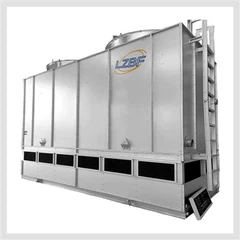
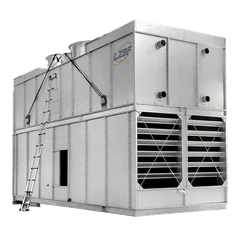
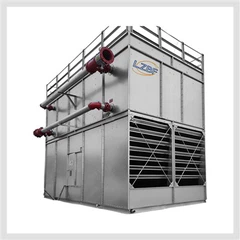
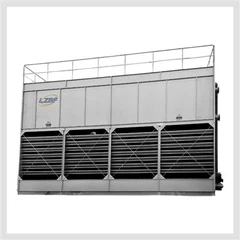
Before delving into the impact of water temperature, let's briefly review how evaporative condensers work. These systems use the principle of evaporation to remove heat from a refrigerant gas, condensing it back into a liquid state. The process involves passing the hot refrigerant gas through a coil, which is surrounded by a spray of water. As the water evaporates, it absorbs heat from the refrigerant, cooling it and causing it to condense. The cooled refrigerant then flows back into the system to repeat the cycle.
The Role of Water Temperature
Water temperature is a critical factor in the performance of evaporative condensers. The efficiency of the evaporation process depends on the temperature difference between the water and the refrigerant. When the water temperature is lower, there is a greater temperature difference, which allows for more efficient heat transfer and faster evaporation. This results in lower refrigerant temperatures and higher condensing pressures, which can improve the overall performance of the system.
Conversely, when the water temperature is higher, the temperature difference between the water and the refrigerant is reduced, which can lead to less efficient heat transfer and slower evaporation. This can cause the refrigerant temperatures to rise, increasing the condensing pressures and reducing the system's efficiency. In extreme cases, high water temperatures can even cause the system to overheat and shut down, leading to costly downtime and repairs.
Effects of Low Water Temperature
Low water temperatures can have several positive effects on the performance of evaporative condensers. Firstly, as mentioned earlier, lower water temperatures allow for more efficient heat transfer, which can reduce the energy consumption of the system. This is because the compressor has to work less hard to maintain the desired condensing pressures, resulting in lower electricity bills and reduced carbon emissions.
Secondly, low water temperatures can also improve the reliability of the system. When the refrigerant temperatures are lower, there is less stress on the compressor and other components, which can extend their lifespan and reduce the risk of breakdowns. This can save money on maintenance and replacement costs in the long run.
However, it's important to note that extremely low water temperatures can also have some negative effects. For example, if the water temperature drops below the freezing point, it can cause the water in the system to freeze, which can damage the pipes and other components. Additionally, low water temperatures can also increase the risk of corrosion and scaling, which can reduce the efficiency of the system over time.
Effects of High Water Temperature
High water temperatures can have several negative effects on the performance of evaporative condensers. Firstly, as mentioned earlier, high water temperatures can reduce the efficiency of the system by reducing the temperature difference between the water and the refrigerant. This can cause the refrigerant temperatures to rise, increasing the condensing pressures and reducing the system's capacity.
Secondly, high water temperatures can also increase the risk of fouling and scaling. When the water temperature is high, the dissolved minerals and other impurities in the water can precipitate out and form a layer of scale on the heat transfer surfaces. This can reduce the efficiency of the system by reducing the heat transfer coefficient and increasing the resistance to fluid flow.


Finally, high water temperatures can also increase the risk of corrosion and biological growth. When the water temperature is high, the rate of chemical reactions and biological activity increases, which can cause the metal components in the system to corrode and the water to become contaminated with bacteria and other microorganisms. This can not only reduce the efficiency of the system but also pose a health risk to the occupants of the building.
Controlling Water Temperature
To ensure optimal performance of evaporative condensers, it's important to control the water temperature within a certain range. This can be achieved through a variety of methods, including:
- Using a cooling tower: A cooling tower is a device that uses the principle of evaporation to cool the water before it enters the evaporative condenser. By reducing the water temperature, a cooling tower can improve the efficiency of the system and reduce the energy consumption.
- Using a water chiller: A water chiller is a device that uses a refrigeration cycle to cool the water. By providing a constant supply of cold water, a water chiller can ensure that the water temperature remains within the desired range, even in hot weather.
- Using a variable frequency drive (VFD): A VFD is a device that can adjust the speed of the fan and pump motors in the evaporative condenser based on the water temperature. By reducing the speed of the motors when the water temperature is low, a VFD can save energy and reduce the wear and tear on the components.
- Using a water treatment system: A water treatment system is a device that can remove the dissolved minerals and other impurities from the water before it enters the evaporative condenser. By preventing the formation of scale and corrosion, a water treatment system can improve the efficiency of the system and extend the lifespan of the components.
Conclusion
In conclusion, water temperature plays a crucial role in the performance of evaporative condensers. By understanding how water temperature affects the system and taking steps to control it, you can optimize the efficiency, reliability, and lifespan of your evaporative condenser. As a leading evaporative condenser supplier, we offer a wide range of products and services to help you achieve these goals. Whether you're looking for an Ammonia Evaporative Condenser, an Indirect Evaporative Condenser, or a Dry-wet Condenser, we have the expertise and experience to provide you with the right solution for your needs.
If you're interested in learning more about our evaporative condensers or would like to discuss your specific requirements, please don't hesitate to contact us. Our team of experts will be happy to answer your questions and provide you with a free consultation. Let's work together to optimize the performance of your evaporative condenser and achieve your energy efficiency goals.
References
- ASHRAE Handbook - HVAC Systems and Equipment. American Society of Heating, Refrigerating and Air-Conditioning Engineers, Inc., 2015.
- Cooling Tower Institute. Cooling Tower Fundamentals. Cooling Tower Institute, 2019.
- Evaporative Condenser Manufacturers Association. Evaporative Condenser Design and Application Guide. Evaporative Condenser Manufacturers Association, 2018.
Send Inquiry