


How does an Indirect Evaporative Cooler affect the growth of mold and bacteria?
Nov 03, 2025
Leave a message
Hey there! I'm a supplier of Indirect Evaporative Coolers, and today I wanna chat about how these coolers affect the growth of mold and bacteria. It's a topic that's super important, especially for those who care about indoor air quality and the overall health of a space.
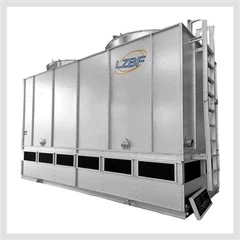
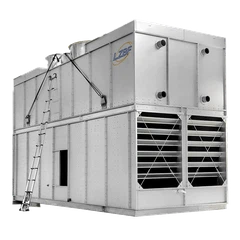
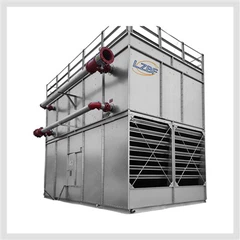
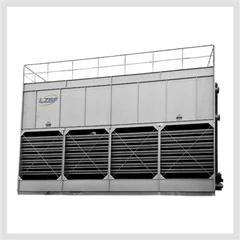
First off, let's understand what an Indirect Evaporative Cooler is. It's a pretty nifty device that cools air without directly adding moisture to it. Unlike direct evaporative coolers that use the evaporation of water to cool the air and increase its humidity, indirect evaporative coolers use a heat exchanger. This exchanger transfers heat from the hot air to a secondary airstream that's then cooled by evaporation. The result? Cool, dry air that can make a space much more comfortable, especially in hot and dry climates.


Now, let's get into the nitty - gritty of mold and bacteria growth. Mold and bacteria love moist and warm environments. They thrive when there's a lot of humidity and a source of organic matter for them to feed on. High humidity levels can create the perfect breeding ground for these unwanted microorganisms. If the relative humidity in a space stays above 60% for a long time, it's like an open invitation for mold and bacteria to move in.
So, how does an Indirect Evaporative Cooler fit into this picture? Well, one of the biggest advantages of these coolers is that they don't add significant amounts of moisture to the air. Since they use a heat - exchanger to cool the air, the humidity levels in the cooled space remain relatively stable. This is a huge plus when it comes to preventing mold and bacteria growth.
Let's compare it to a direct evaporative cooler. A direct evaporative cooler sprays water into the air, and as the water evaporates, it cools the air but also increases its humidity. If you're in a place with already high humidity, using a direct evaporative cooler can push the humidity levels over the edge, making it more likely for mold and bacteria to grow on surfaces like walls, ceilings, and furniture.
On the other hand, an Indirect Evaporative Cooler keeps the humidity in check. By maintaining a lower and more stable humidity level in the space, it makes it less hospitable for mold and bacteria. For example, in a commercial building where there are a lot of people and different activities going on, an Indirect Evaporative Cooler can help create a fresh and healthy environment.
But it's not just about the humidity. The design of the Indirect Evaporative Cooler also plays a role. These coolers are often designed with materials that are resistant to mold and bacteria. The heat - exchangers and other components are made in a way that reduces the chances of water pooling or stagnating, which are common causes of microbial growth.
However, it's important to note that even with an Indirect Evaporative Cooler, proper maintenance is key. If the cooler isn't cleaned regularly, dirt, dust, and other organic particles can accumulate inside. These particles can serve as a food source for mold and bacteria, and if there's even a small amount of moisture present, it can lead to growth. So, it's crucial to follow the manufacturer's maintenance instructions, which usually include cleaning the filters, checking the water systems (if any), and inspecting the overall unit for any signs of damage or dirt buildup.
Another aspect to consider is the air circulation. Indirect Evaporative Coolers are great at improving air circulation in a space. Good air circulation helps to prevent the formation of stagnant air pockets where moisture can accumulate. When the air is constantly moving, it's harder for mold and bacteria to settle and grow on surfaces.
Now, let's talk about some real - world applications. In a data center, where sensitive equipment needs to be kept at a stable temperature and humidity, an Indirect Evaporative Cooler can be a game - changer. By keeping the humidity low and the air cool, it not only protects the equipment from overheating but also reduces the risk of mold and bacteria growth that could potentially damage the electronics.
In a residential setting, an Indirect Evaporative Cooler can make your home a healthier place to live. It can help prevent musty odors that are often associated with mold growth and keep your family breathing clean air.
If you're in the market for an evaporative cooler, you might also be interested in related products like the Evaporative Type Condenser, Indirect Evaporative Condenser, and Recold Evaporative Condenser. These condensers work in tandem with the coolers to enhance the overall cooling system and can also contribute to maintaining a healthy environment.
In conclusion, an Indirect Evaporative Cooler is a great tool for controlling the growth of mold and bacteria. Its ability to maintain stable humidity levels, combined with proper design and good air circulation, makes it a smart choice for both commercial and residential spaces. But remember, regular maintenance is essential to keep it working at its best.
If you're interested in learning more about our Indirect Evaporative Coolers or want to discuss a potential purchase, don't hesitate to reach out. We're here to help you find the perfect cooling solution for your needs.
References
- ASHRAE Handbook of Fundamentals.
- Research papers on indoor air quality and evaporative cooling systems.
Send Inquiry