


Can a Closed System Cooling Tower be used in cold climates?
Nov 03, 2025
Leave a message
As a supplier of Closed System Cooling Towers, I am frequently asked whether our products can be effectively used in cold climates. This question is not only relevant for industries operating in regions with harsh winters but also for those looking to optimize their cooling systems year - round. In this blog, we will explore the viability of using closed system cooling towers in cold climates, examining the technical aspects, benefits, challenges, and solutions.
Technical Aspects of Closed System Cooling Towers
A closed system cooling tower, also known as a closed - circuit cooling tower, operates on a principle that separates the process fluid from the ambient air. The process fluid circulates within a closed loop of coils, while the cooling water is sprayed over the coils and then cooled by the ambient air. This design prevents the process fluid from coming into direct contact with the environment, reducing the risk of contamination and evaporation losses.
In cold climates, the low ambient air temperature can significantly affect the performance of a cooling tower. The basic thermodynamics of heat transfer dictate that the temperature difference between the process fluid and the ambient air is a key factor in determining the cooling capacity. In cold weather, this temperature difference is larger, which can potentially lead to over - cooling of the process fluid if not properly managed.
Benefits of Using Closed System Cooling Towers in Cold Climates
Energy Efficiency
One of the most significant advantages of using a closed system cooling tower in cold climates is energy efficiency. The low ambient air temperature provides a natural cooling effect, reducing the need for mechanical cooling methods such as refrigeration. This can lead to substantial energy savings, especially during the winter months when the cooling load is typically lower.
Reduced Maintenance
Closed system cooling towers are less prone to freezing compared to open - system cooling towers. Since the process fluid is contained within a closed loop, there is less risk of ice formation in the coils. This reduces the need for anti - freeze additives and the associated maintenance costs. Additionally, the closed design protects the process fluid from environmental contaminants, extending the lifespan of the equipment and reducing the frequency of maintenance.
Consistent Performance
Closed system cooling towers can provide consistent cooling performance regardless of the ambient temperature. By using a combination of dry and wet cooling modes, these towers can adjust to changing weather conditions. In cold weather, the dry cooling mode can be used to take advantage of the low ambient air temperature, while the wet cooling mode can be activated when the cooling load increases or the ambient temperature rises.
Challenges of Using Closed System Cooling Towers in Cold Climates
Freezing Risk
Despite the advantages, there are still some challenges associated with using closed system cooling towers in cold climates. The most significant challenge is the risk of freezing. If the temperature drops below the freezing point of the cooling water, ice can form in the spray system, the coils, or the sump. This can damage the equipment and disrupt the cooling process.
Over - Cooling
As mentioned earlier, the large temperature difference between the process fluid and the ambient air in cold climates can lead to over - cooling. Over - cooling can cause the process fluid to become too cold, which may affect the performance of the equipment or the quality of the product being cooled.
Ice Accumulation
Ice accumulation on the exterior of the cooling tower can also be a problem. Ice can block the air intake and exhaust, reducing the airflow and the cooling capacity of the tower. In severe cases, the weight of the ice can cause structural damage to the tower.


Solutions to Overcome the Challenges
Freeze Protection Systems
To prevent freezing, closed system cooling towers can be equipped with freeze protection systems. These systems typically include temperature sensors, valves, and heaters. The temperature sensors monitor the temperature of the cooling water and the process fluid. If the temperature drops below a certain set point, the valves can be adjusted to reduce the flow of cooling water or to bypass the wet cooling mode. Heaters can also be used to maintain the temperature of the cooling water above the freezing point.
Control Strategies
Advanced control strategies can be used to prevent over - cooling. These strategies involve monitoring the temperature of the process fluid and adjusting the operation of the cooling tower accordingly. For example, the speed of the fans can be reduced or the flow of cooling water can be adjusted to maintain the desired temperature of the process fluid.
De - icing Systems
To prevent ice accumulation on the exterior of the cooling tower, de - icing systems can be installed. These systems can use electrical heating elements or hot air to melt the ice. Regular inspections and maintenance of the de - icing systems are essential to ensure their proper operation.
Our Product Offerings
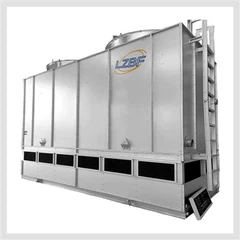
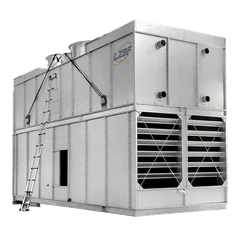
At our company, we offer a range of closed system cooling towers that are suitable for use in cold climates. Our Dry - wet Closed Cooling Tower combines the advantages of dry and wet cooling modes, providing efficient and reliable cooling performance in all weather conditions. The dry cooling mode is particularly useful in cold climates, as it can take advantage of the low ambient air temperature without the risk of freezing.
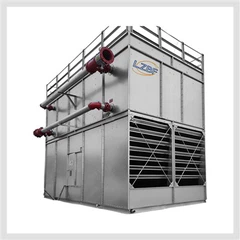
Our 300 Ton Closed Circuit Cooling Tower is a high - capacity cooling solution that is designed to meet the needs of large industrial applications. It is equipped with advanced control systems and freeze protection features to ensure reliable operation in cold climates.
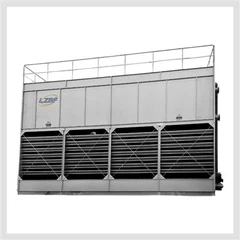
For smaller applications, we offer the Basic Closed Circuit Water Cooler. This compact and efficient cooling system is easy to install and maintain, making it an ideal choice for businesses operating in cold regions.
Conclusion
In conclusion, closed system cooling towers can be effectively used in cold climates. While there are some challenges associated with freezing, over - cooling, and ice accumulation, these challenges can be overcome with the use of appropriate technologies and control strategies. The benefits of energy efficiency, reduced maintenance, and consistent performance make closed system cooling towers a viable option for industries operating in cold regions.
If you are interested in learning more about our closed system cooling towers or would like to discuss your specific cooling needs, please do not hesitate to contact us. Our team of experts is ready to provide you with the best solutions and support for your cooling requirements.
References
- ASHRAE Handbook - HVAC Systems and Equipment. American Society of Heating, Refrigerating and Air - Conditioning Engineers.
- Cooling Tower Institute. Technical manuals and guidelines on cooling tower operation and maintenance.
Send Inquiry