


How does a closed loop cooling system handle water quality?
Nov 11, 2025
Leave a message
In the realm of industrial and commercial operations, closed loop cooling systems play a vital role in maintaining optimal temperatures for various processes. As a leading supplier of Closed Loop Cooling Systems, I understand the critical importance of water quality management within these systems. In this blog post, I will delve into how a closed loop cooling system handles water quality, exploring the key processes, challenges, and solutions involved.
Understanding Closed Loop Cooling Systems
Before we discuss water quality management, let's briefly review what a closed loop cooling system is. A closed loop cooling system is designed to circulate coolant through a closed circuit, typically using a heat exchanger to transfer heat from the process to the coolant. The coolant then releases the heat to the environment through a cooling tower or other cooling device. This closed circuit design helps to conserve water and prevent contamination of the process fluid.
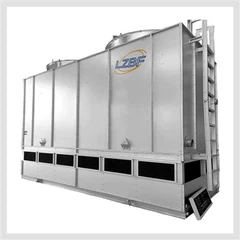
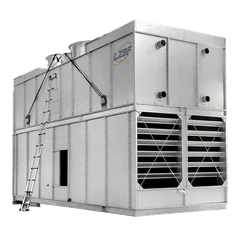
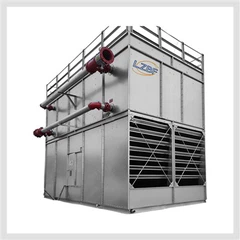
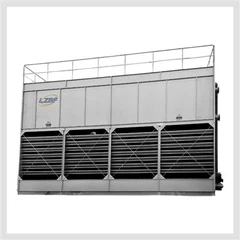
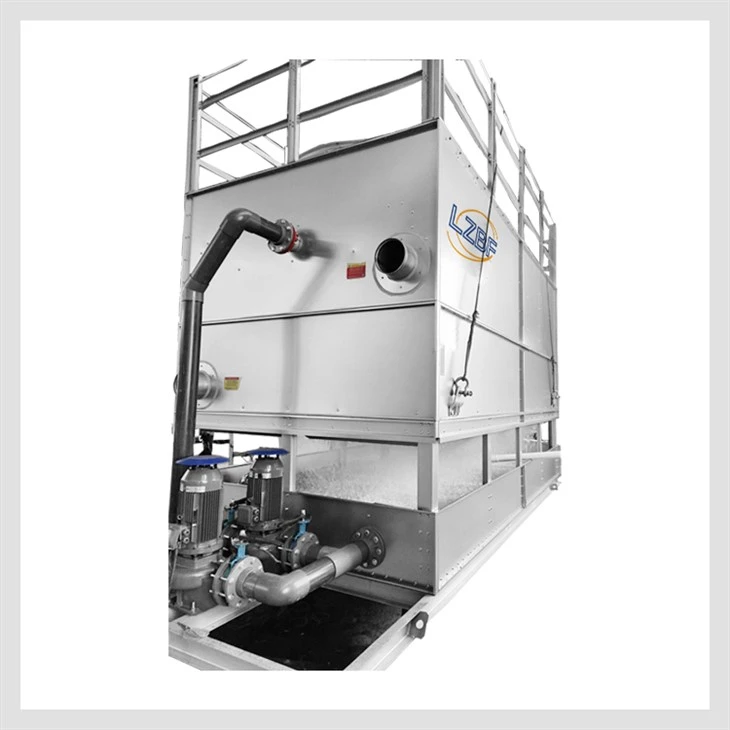
There are several types of closed loop cooling systems, including Indirect Cooler, Closed Loop Cooling Tower System, and Closed Circuit Evaporative Cooling Tower. Each type has its own unique features and advantages, but they all share the common goal of maintaining a stable and efficient cooling process.

Importance of Water Quality in Closed Loop Cooling Systems
Water quality is a crucial factor in the performance and longevity of a closed loop cooling system. Poor water quality can lead to a variety of problems, including corrosion, scaling, fouling, and biological growth. These issues can reduce the efficiency of the cooling system, increase energy consumption, and cause premature equipment failure.
Corrosion is one of the most common problems associated with poor water quality. When water contains high levels of dissolved oxygen, minerals, or other contaminants, it can react with the metal surfaces in the cooling system, causing them to corrode. Corrosion can lead to leaks, reduced heat transfer efficiency, and increased maintenance costs.
Scaling occurs when dissolved minerals in the water precipitate out and form a hard, crusty deposit on the surfaces of the cooling system. Scaling can reduce the flow of coolant through the system, increase pressure drop, and decrease heat transfer efficiency. It can also cause blockages in pipes and valves, leading to system failures.
Fouling is another problem that can occur when water contains suspended solids, organic matter, or other contaminants. These contaminants can accumulate on the surfaces of the cooling system, reducing heat transfer efficiency and increasing energy consumption. Fouling can also provide a breeding ground for bacteria and other microorganisms, leading to biological growth and the formation of biofilms.
Biological growth is a serious problem in closed loop cooling systems, as it can cause a variety of health and safety issues. Bacteria, fungi, and other microorganisms can grow in the warm, moist environment of the cooling system, producing toxins and other harmful substances. These substances can be released into the air, posing a risk to human health. Biological growth can also cause corrosion, scaling, and fouling, reducing the efficiency of the cooling system and increasing maintenance costs.
How Closed Loop Cooling Systems Handle Water Quality
To prevent these problems, closed loop cooling systems are designed to handle water quality through a combination of filtration, chemical treatment, and monitoring.
Filtration
Filtration is the first line of defense in maintaining water quality in a closed loop cooling system. Filtration systems are used to remove suspended solids, organic matter, and other contaminants from the water before it enters the cooling system. There are several types of filtration systems available, including mechanical filters, activated carbon filters, and membrane filters.
Mechanical filters are the most common type of filtration system used in closed loop cooling systems. They work by physically trapping suspended solids and other contaminants in a filter media, such as sand, gravel, or activated carbon. Mechanical filters can be either single-stage or multi-stage, depending on the level of filtration required.
Activated carbon filters are used to remove organic matter, chlorine, and other contaminants from the water. They work by adsorbing these contaminants onto the surface of the activated carbon. Activated carbon filters are typically used in conjunction with mechanical filters to provide a higher level of filtration.
Membrane filters are used to remove dissolved solids, bacteria, and other contaminants from the water. They work by forcing the water through a semi-permeable membrane, which allows water molecules to pass through but blocks larger molecules and particles. Membrane filters are typically used in high-purity applications, such as pharmaceutical and semiconductor manufacturing.
Chemical Treatment
Chemical treatment is another important aspect of water quality management in closed loop cooling systems. Chemical treatment is used to control corrosion, scaling, fouling, and biological growth in the cooling system. There are several types of chemical treatments available, including corrosion inhibitors, scale inhibitors, biocides, and dispersants.
Corrosion inhibitors are used to prevent corrosion of the metal surfaces in the cooling system. They work by forming a protective film on the metal surface, which prevents the water from coming into contact with the metal. Corrosion inhibitors can be either organic or inorganic, depending on the type of metal and the water chemistry.
Scale inhibitors are used to prevent scaling in the cooling system. They work by preventing the dissolved minerals in the water from precipitating out and forming a hard, crusty deposit on the surfaces of the cooling system. Scale inhibitors can be either organic or inorganic, depending on the type of minerals and the water chemistry.
Biocides are used to control biological growth in the cooling system. They work by killing bacteria, fungi, and other microorganisms in the water. Biocides can be either oxidizing or non-oxidizing, depending on the type of microorganisms and the water chemistry.
Dispersants are used to prevent fouling in the cooling system. They work by dispersing suspended solids and other contaminants in the water, preventing them from accumulating on the surfaces of the cooling system. Dispersants can be either organic or inorganic, depending on the type of contaminants and the water chemistry.
Monitoring
Monitoring is an essential part of water quality management in closed loop cooling systems. Monitoring systems are used to measure the water quality parameters, such as pH, conductivity, temperature, and dissolved oxygen, on a regular basis. This information is used to adjust the chemical treatment program and ensure that the water quality remains within the acceptable range.
There are several types of monitoring systems available, including online monitors, handheld monitors, and laboratory analysis. Online monitors are used to continuously measure the water quality parameters in real-time, providing immediate feedback on the performance of the cooling system. Handheld monitors are used to take periodic measurements of the water quality parameters, providing a snapshot of the water quality at a specific point in time. Laboratory analysis is used to perform more detailed and accurate measurements of the water quality parameters, providing a comprehensive analysis of the water chemistry.
Challenges in Water Quality Management
Despite the best efforts of filtration, chemical treatment, and monitoring, there are still several challenges in water quality management in closed loop cooling systems. These challenges include:
Water Source Variability
The quality of the water source can vary significantly depending on the location, season, and other factors. This variability can make it difficult to maintain consistent water quality in the cooling system. To address this challenge, closed loop cooling systems may need to be designed to accommodate a wide range of water qualities or to use alternative water sources, such as reclaimed water or rainwater.
Chemical Compatibility
The chemicals used in water treatment programs must be compatible with each other and with the materials used in the cooling system. Incompatible chemicals can react with each other, producing harmful byproducts or reducing the effectiveness of the treatment program. To address this challenge, it is important to work with a qualified water treatment specialist to develop a chemical treatment program that is tailored to the specific needs of the cooling system.
Regulatory Compliance
Closed loop cooling systems are subject to a variety of regulations and standards, including environmental regulations, health and safety regulations, and industry standards. These regulations and standards can vary depending on the location, application, and other factors. To ensure compliance, it is important to stay up-to-date on the latest regulations and standards and to implement a water quality management program that meets or exceeds these requirements.
Conclusion
In conclusion, water quality management is a critical aspect of the performance and longevity of a closed loop cooling system. By using a combination of filtration, chemical treatment, and monitoring, closed loop cooling systems can effectively handle water quality and prevent problems such as corrosion, scaling, fouling, and biological growth. However, there are still several challenges in water quality management, including water source variability, chemical compatibility, and regulatory compliance. To address these challenges, it is important to work with a qualified water treatment specialist to develop a comprehensive water quality management program that is tailored to the specific needs of the cooling system.
If you are interested in learning more about our Closed Loop Cooling Systems or our water quality management solutions, please contact us to schedule a consultation. Our team of experts will be happy to answer your questions and help you find the best solution for your needs.
References
- ASHRAE Handbook - HVAC Systems and Equipment. American Society of Heating, Refrigerating and Air-Conditioning Engineers, Inc. (ASHRAE), 2019.
- Cooling Tower Institute (CTI) Standards. Cooling Tower Institute, 2020.
- Water Treatment Handbook. Nalco Company, 2018.
Send Inquiry