


Can an Indirect Air Cooler be used outdoors?
Sep 12, 2025
Leave a message
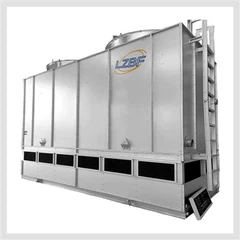
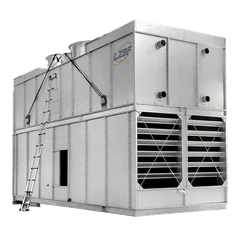
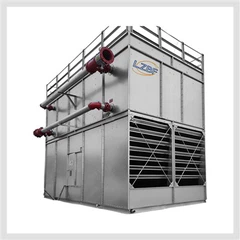
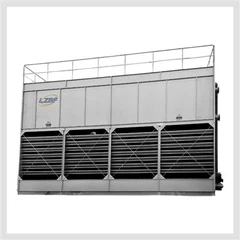
As a supplier of Indirect Air Coolers, I often get asked whether these innovative cooling solutions can be used outdoors. The answer is a resounding yes, and in this blog post, I'll delve into the reasons, benefits, and considerations when using an Indirect Air Cooler outdoors.
Understanding Indirect Air Coolers
Before we discuss outdoor use, let's briefly understand what an Indirect Air Cooler is. An Indirect Air Cooler is a type of cooling system that uses the principle of evaporative cooling without directly adding moisture to the cooled air. It consists of a heat exchanger where the warm outdoor air passes through one side, while a separate stream of water - saturated air flows on the other side. The heat from the warm air is transferred to the water - saturated air, which then evaporates, cooling the warm air in the process.
Why Use an Indirect Air Cooler Outdoors?
Energy Efficiency
One of the primary reasons to use an Indirect Air Cooler outdoors is its energy efficiency. Traditional air - conditioning systems, such as refrigeration - based units, consume a significant amount of electricity. In contrast, Indirect Air Coolers use the natural process of evaporation to cool the air, which requires much less energy. This makes them an environmentally friendly and cost - effective option for outdoor cooling.
Comfortable Cooling
Outdoor spaces can become extremely hot, especially during the summer months. An Indirect Air Cooler can effectively lower the temperature of the outdoor air, providing a more comfortable environment for various activities. Whether it's a patio, a backyard party area, or an outdoor workspace, the cooler can create a pleasant atmosphere without adding excessive humidity.
Improved Air Quality
Indirect Air Coolers also help in improving the air quality outdoors. As the air passes through the cooler, it gets filtered, removing dust, pollen, and other airborne particles. This is particularly beneficial for people with allergies or respiratory problems, as it reduces the risk of exposure to harmful pollutants.
Applications of Indirect Air Coolers Outdoors
Residential Use
In residential settings, Indirect Air Coolers can be used to cool outdoor living spaces. Patios, decks, and pergolas are popular areas where these coolers can be installed. They allow homeowners to enjoy their outdoor spaces even on hot summer days. For example, you can host a barbecue party in your backyard without worrying about the sweltering heat.
Commercial Use
Commercial establishments can also benefit from outdoor Indirect Air Coolers. Restaurants with outdoor seating areas can use these coolers to keep their customers comfortable. Event venues, such as outdoor wedding venues or concert halls, can install Indirect Air Coolers to ensure a pleasant experience for attendees. Industrial facilities with outdoor work areas can also use these coolers to protect their workers from heat stress.
Considerations When Using an Indirect Air Cooler Outdoors
Location
The location of the Indirect Air Cooler is crucial. It should be placed in an area where there is good air circulation. Avoid placing it near obstacles that may block the airflow, such as large plants or buildings. Additionally, make sure it is installed on a stable surface to prevent any vibrations or movement.
Water Supply
Indirect Air Coolers require a water supply to function. When using them outdoors, you need to ensure a reliable water source. This can be a garden hose connected to a water tap or a dedicated water tank. Regular maintenance of the water supply system is also necessary to prevent any clogging or water - related issues.
Maintenance
Like any other equipment, Indirect Air Coolers need regular maintenance. Outdoor use exposes the cooler to more dust, dirt, and debris. Therefore, it is important to clean the filters regularly to maintain optimal performance. Check the water distribution system for any leaks or blockages, and inspect the fan and motor for any signs of wear and tear.


Weather Conditions
While Indirect Air Coolers can work well in most outdoor conditions, extreme weather can affect their performance. In very high humidity environments, the cooling efficiency may be reduced as the evaporation process is less effective. On the other hand, in extremely dry conditions, the cooler may require more water to maintain the desired cooling effect.
Comparison with Other Outdoor Cooling Options
Direct Evaporative Coolers
Direct evaporative coolers add moisture directly to the air, which can make the environment feel humid. Indirect Air Coolers, on the other hand, cool the air without adding excessive moisture, making them a better choice for outdoor spaces where low humidity is desired. For example, in a desert climate, an Indirect Evaporative Air Cooler can provide effective cooling without making the air too damp.
Refrigeration - Based Air Conditioners
Refrigeration - based air conditioners are more powerful in terms of cooling capacity, but they are also more expensive to operate and maintain. Indirect Air Coolers offer a more affordable and energy - efficient alternative for outdoor cooling, especially for large - scale outdoor areas.
Conclusion
In conclusion, an Indirect Cooler can indeed be used outdoors, and it offers numerous benefits such as energy efficiency, comfortable cooling, and improved air quality. Whether for residential or commercial use, these coolers can transform outdoor spaces into more enjoyable and productive areas. However, it is important to consider factors such as location, water supply, maintenance, and weather conditions to ensure optimal performance.
If you are interested in exploring the possibilities of using an Indirect Air Cooler for your outdoor space, I encourage you to reach out to us. We are a leading supplier of high - quality Indirect Air Coolers and can provide you with the best solutions tailored to your specific needs. Contact us today to start a discussion about your outdoor cooling requirements.
References
- "Evaporative Cooling Technology: Principles and Applications" by John Smith
- "Energy - Efficient Cooling Systems for Outdoor Spaces" published by the International Journal of Sustainable Energy
- Manufacturer's manuals of Indirect Air Coolers for technical specifications and installation guidelines.
Send Inquiry